AEGIS Division
Associated Ecological–Geochemical Influences on biological Systems
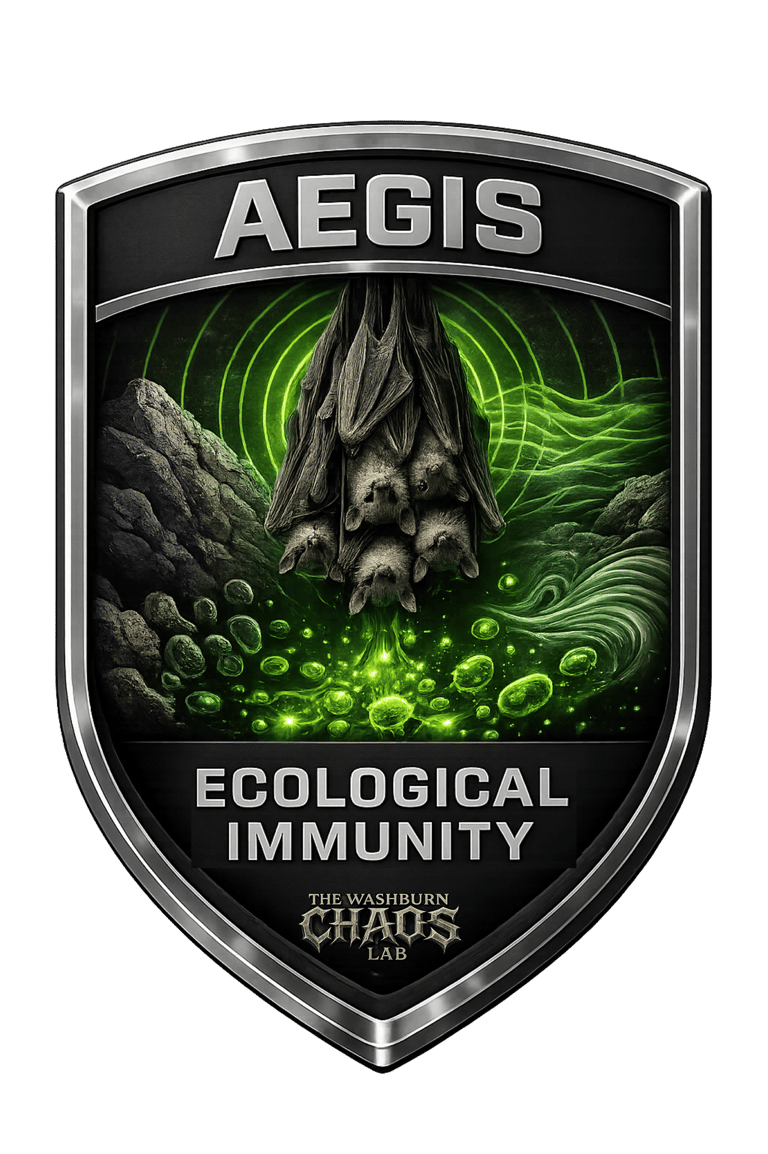
Ecological Immunity
AEGIS is where the CHAOS Lab studies how living systems hold the line.
This division focuses on biology under environmental pressure, asking how hosts, their microbiomes, and immune systems respond when ecology and geochemistry set the rules.
AEGIS treats organisms not as isolated individuals, but as integrated biological systems embedded in real environments, where microbes, chemistry, and landscape context quietly shape resilience, vulnerability, and disease risk.
Rather than chasing pathogens alone, AEGIS interrogates the conditions that allow disease to emerge—or be resisted—by decoding how ecological and geochemical forces influence host–microbe balance.
This is ecological immunity: defense built from context, not just cells.
AEGIS Projects
AEGIS decodes how ecology and chemistry set the rules for host–microbe balance, biological resilience, and disease emergence.


Whole-System Dynamics in Bat Roost Environments
Interrogates bat roosts as coupled microbial–chemical systems, integrating microbial ecology, bulk metabolomics, and bulk geochemistry to resolve how environmental context shapes fungal dynamics, microbial competition, and disease outcomes associated with white-nose syndrome.


Environmental Abundance Mapping of WNS
Quantifies P. destructans abundance across bat populations and cave systems spanning different ecological and geochemical conditions to identify environmental constraints on fungal growth.
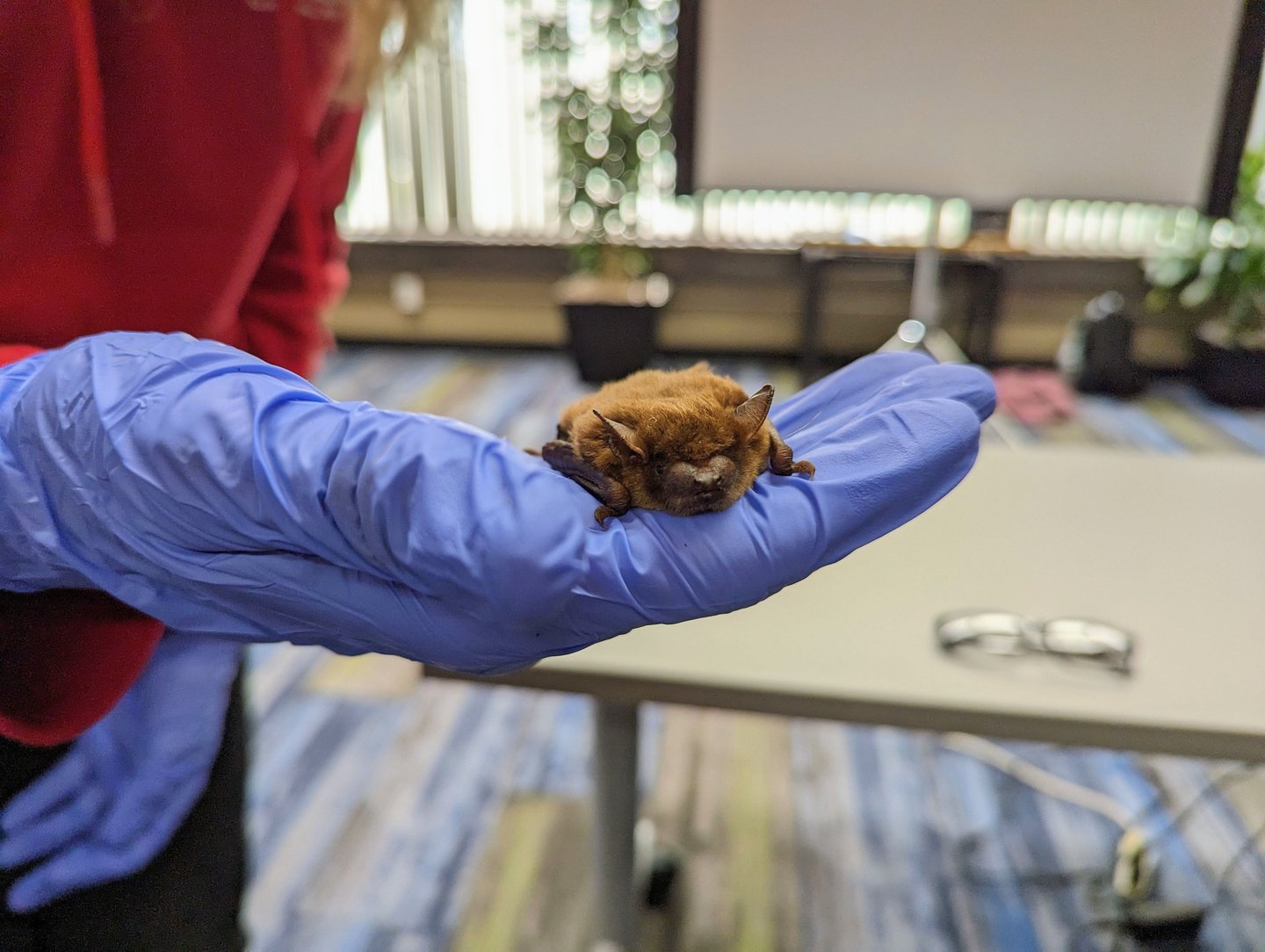
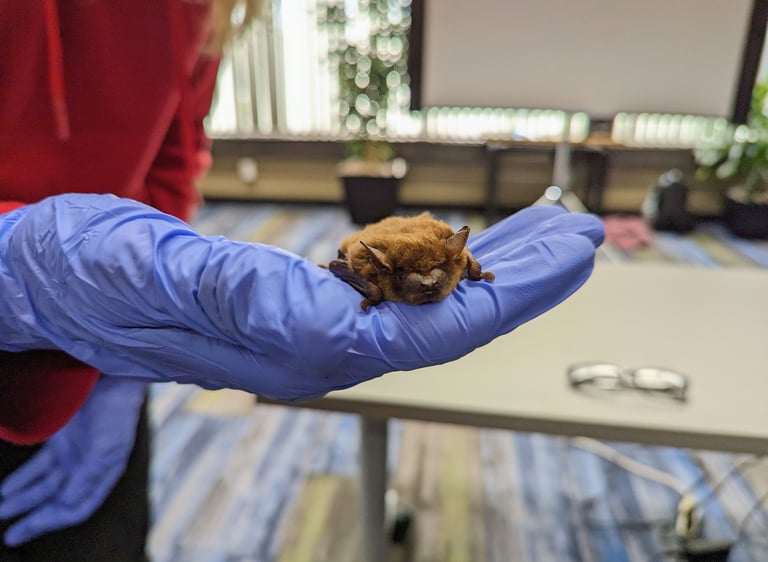
Geographic variation in bat disease ecology
Compares microbial communities, fungal abundance, and cave chemistry across geographically distinct cave systems to resolve spatial drivers of disease severity and outcomes.
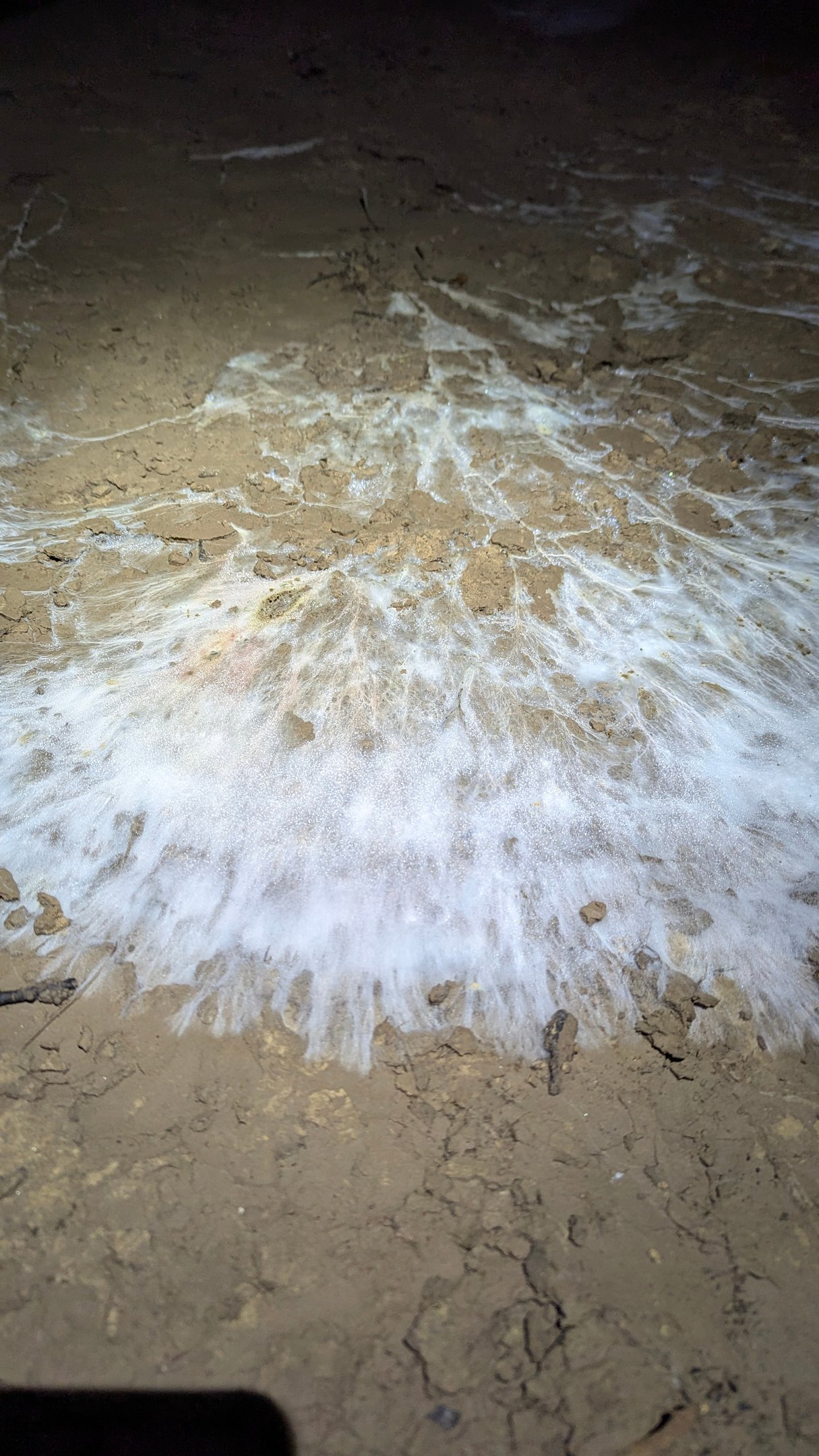
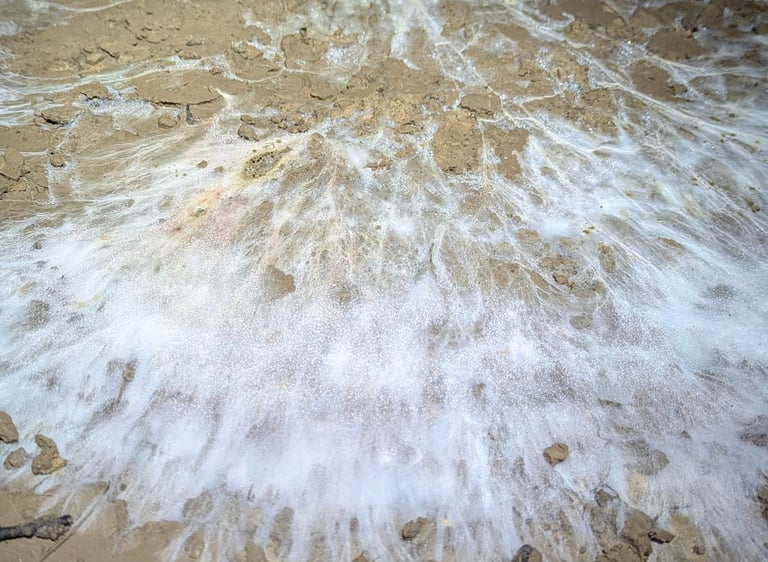
Microbial Correlates of WNS Severity
Identifies microbial taxa and community structures associated with increased or decreased P. destructans abundance, highlighting potential protective or permissive microbial signatures.


Initiate Communications
Got questions, battle scars, or data to throw down? Hit us up—whether you’re ready to collaborate or just need someone who understands that mold is a four-letter word.