Collaborators
Our partners in CHAOS. These are the scientists, explorers, and data-driven rogues who join forces with us.
Together, we push boundaries, break silos, and build better science.
Meet Dr. Andy Bennett
Bioanalytical Chemist | Mass Spectrometry | Liquid Chromatography | Bioinformatics & R programming
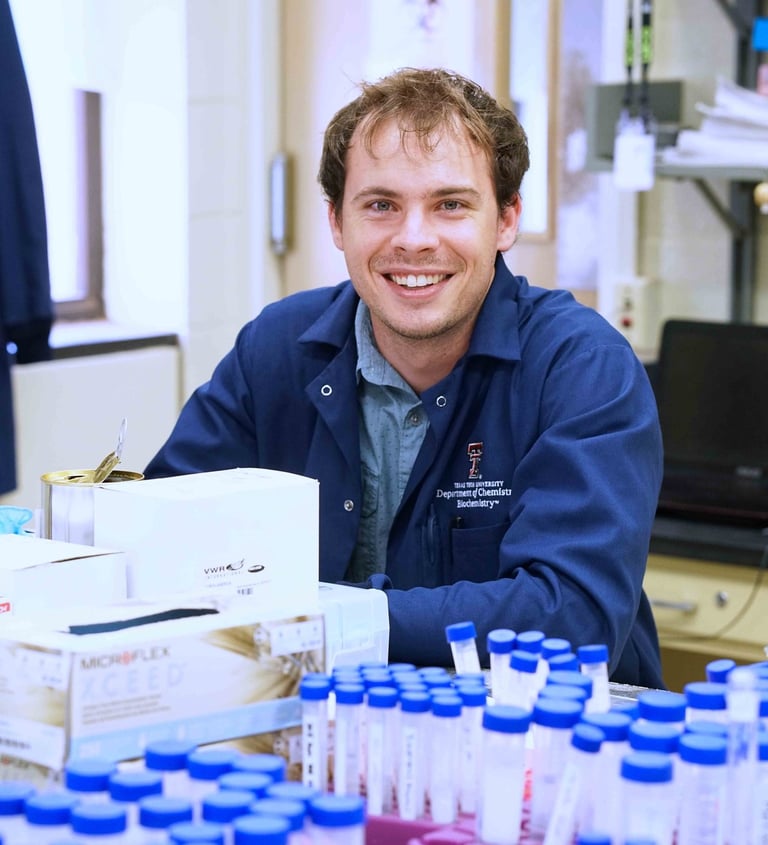
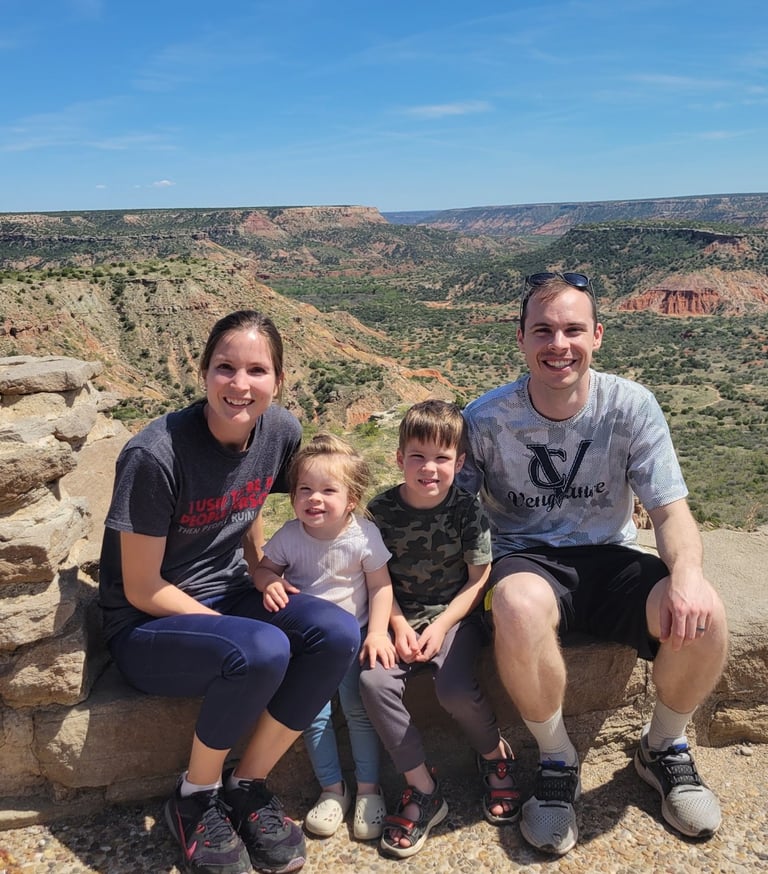
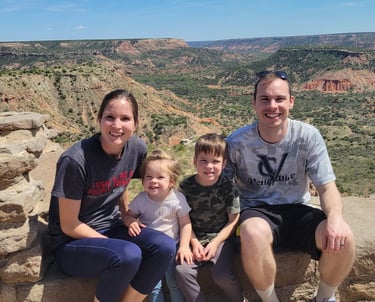
Dr. Andy Bennett graduated from Brigham Young University with a BS degree in Biochemistry and a PhD in Analytical Chemistry from Texas Tech University. He currently works at RTL Genomics. His primary analytical tool-of-choice is LC-MS “omics” methods to investigate changes in proteins, glycans, glycoproteins, and lipids in biological systems, including Alzheimer’s disease and Sertoli cells. He is also interested in the bioinformatics space and has developed data processing and visualization R code for various projects. In his free time, he enjoys spending time with his family, being outdoors, and playing sports.
Meet Dr. Whitni Redman
Medical Biofilms | Undergraduate Research | Assistant Professor, Binghampton University
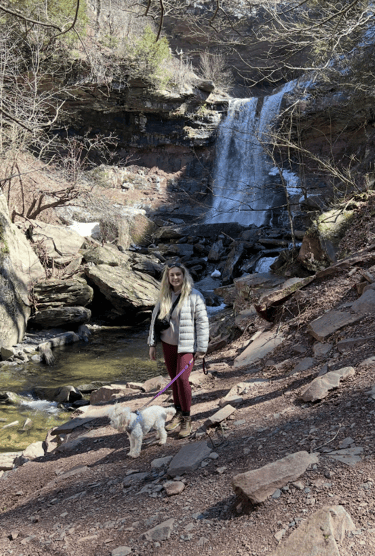
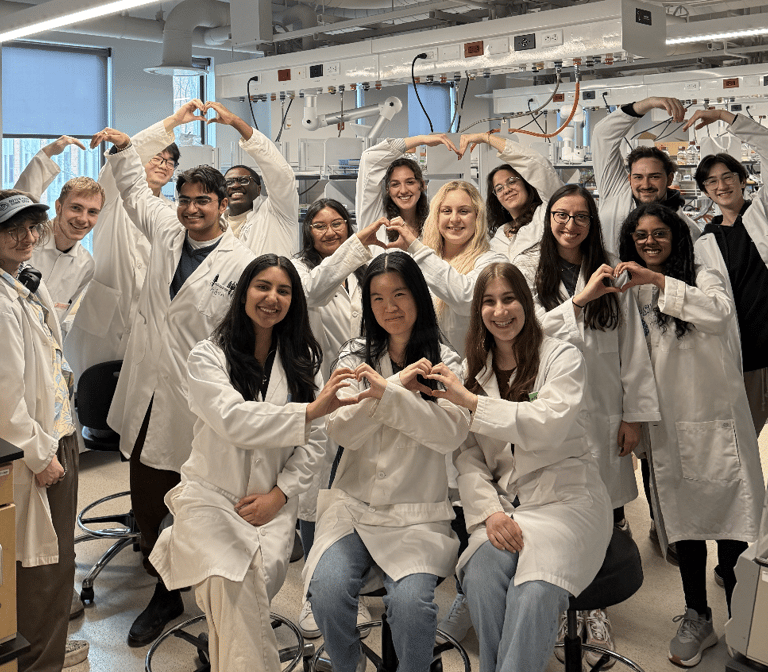
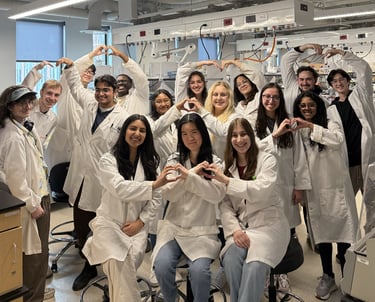
By day, I’m the Research Educator for the Microbial Biofilms in Human Health stream in Binghamton University’s First-year Research Immersion (FRI) program. By night… well, still a scientist—just one with sourdough starter on the counter and dogs in tow. I lead bright-eyed students through a three-semester research adventure packed with real-world science: literature reviews, NIH-style grant writing, poster presentations, and even manuscript drafting. The theme? You guessed it—biofilms. Sticky, stubborn, and medically important.
My research centers on medical microbiology and drug discovery, with a particular obsession for the microbial mayhem behind mycotic keratitis and diabetic foot ulcers. I study how these microbial invaders outwit the immune system and how we might finally outsmart them with novel therapeutics. Alongside my FRI students, I train undergraduate teaching assistants to help with the development of the projects and mentor independent researchers who dig into topics like biofilm dispersion, microbial behavior, and the complex lives of filamentous fungal biofilms. I'm also the Research Educator for the Microbial Biofilms REU site and Faculty Advisor for SUNY Upstate Medical University programs—because why wear one hat when you can wear five?
Fun fact: I didn’t start in biofilms—I started in poop at Peru State College where I received my BS in Natural Sciences. I then transferred to Texas Tech University HSC to receive my PhD in Biomedical Sciences with a focus in Immunology and Infectious Diseases. As a parasitologist by training, I spent five years examining the droppings of coyotes, cockroaches, and baboons to trace parasite transmission and help develop a Schistosomiasis vaccine (currently in Phase 2 clinical trials). From parasites to pathogens, I’ve always been driven by a passion for translational research and bringing lab discoveries one step closer to the bedside.
Outside the lab, you’ll find me setting on the volleyball court with my co-ed teams, harvesting veggies from my garden, or hiking with our two dogs, Max and Miyla. My engineer husband is both my favorite board game rival, travel partner, and fellow homesteading enthusiast, but let’s be honest he is only in it for the fresh pickles and cinnamon rolls.
Science, sports, sourdough, and students—that’s the Redman equation.
Meet Dr. Alex Washburn
Geochemistry & Geochronology | Geologist III, Kentucky Geological Survey
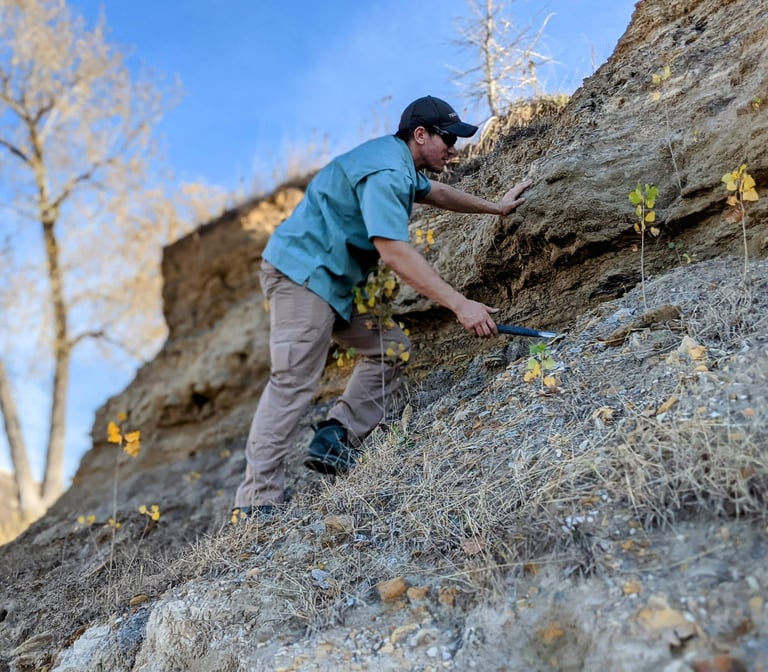
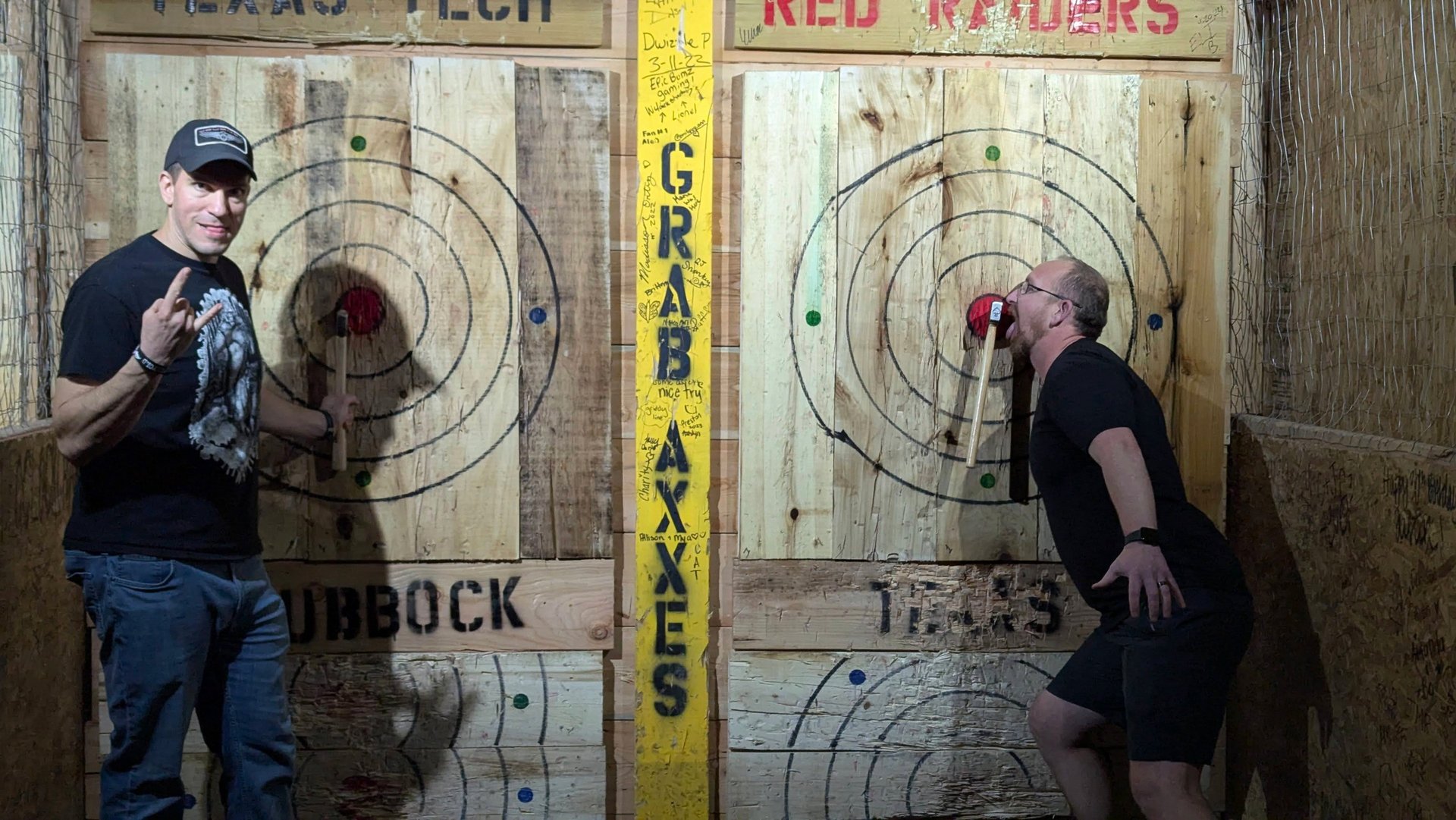
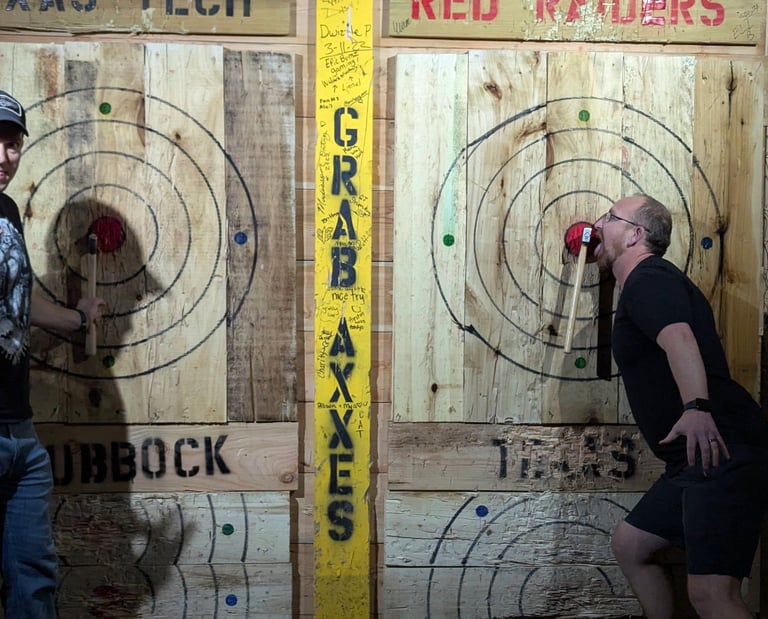
Alex Washburn is a geologist at the Kentucky Geological Survey (KGS) at the University of Kentucky, where his work rocks—literally. With a background in geochemistry, isotope geochronology, and sedimentary geology, Alex brings a heavy-metal attitude to scientific research, both in the field and in the lab. He earned his degrees in geology with a focus on geochemical processes in sedimentary basins, and has developed expertise in laser ablation mass spectrometry, trace element analysis, and radiogenic isotope systems.
At KGS, Alex leads three major research efforts. First, his methane emissions work targets orphaned and marginal oil and gas wells across Kentucky, aiming to reduce emissions, improve environmental safety, and understand how subsurface geology and petroleum system dynamics shape methane composition and flow. Second, he investigates organic-rich black shales to track the enrichment and mobility of rare earth elements and other critical metals, informing their resource potential. Third, he applies multiple radiogenic isotope systems to date sedimentary carbonates and ore minerals, reconstructing the timing of diagenesis, fluid migration, and mineralization across Kentucky’s basins and mineral districts. He does all of this with precision, grit—and loud music.
Alex is also our 'consultant' for our popular social media series, "Is This Rock Interesting?" Check it out!
Washburn CHAOS Lab
Science is metal. Science is feral. Science is CHAOS.
director@washburnchaoslab.com
#washburnchaoslab
© 2025. All rights reserved.
complex host-abiotic systems
@washburnchaoslab
Feral scientists exploring hostile systems, unstable environments, and the chemistry shaping what survives there.
#feralscience