Meet Dr. Rachel Washburn
Director of chaos | Biomedical Geoscientist
Kentucky Geological Survey
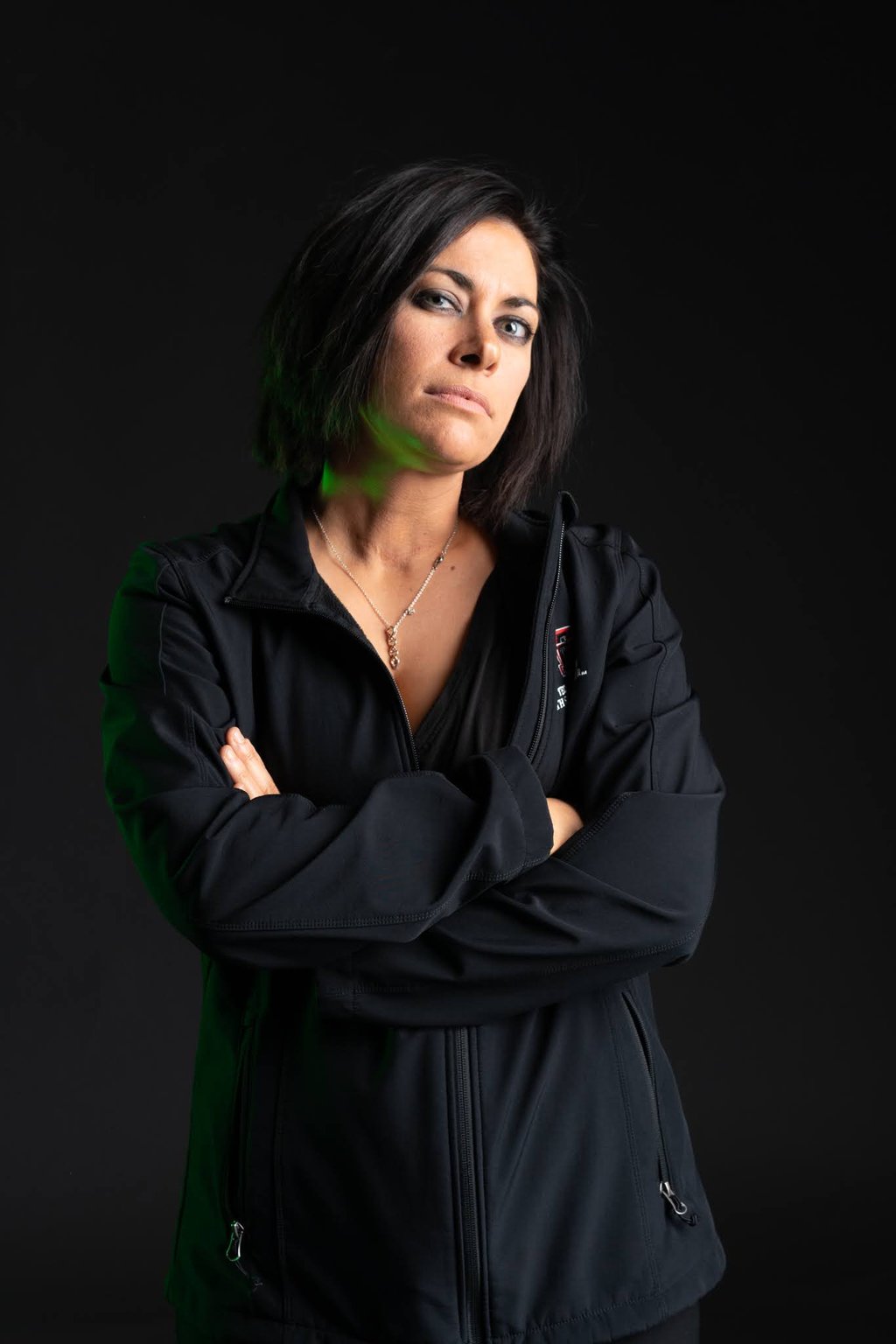
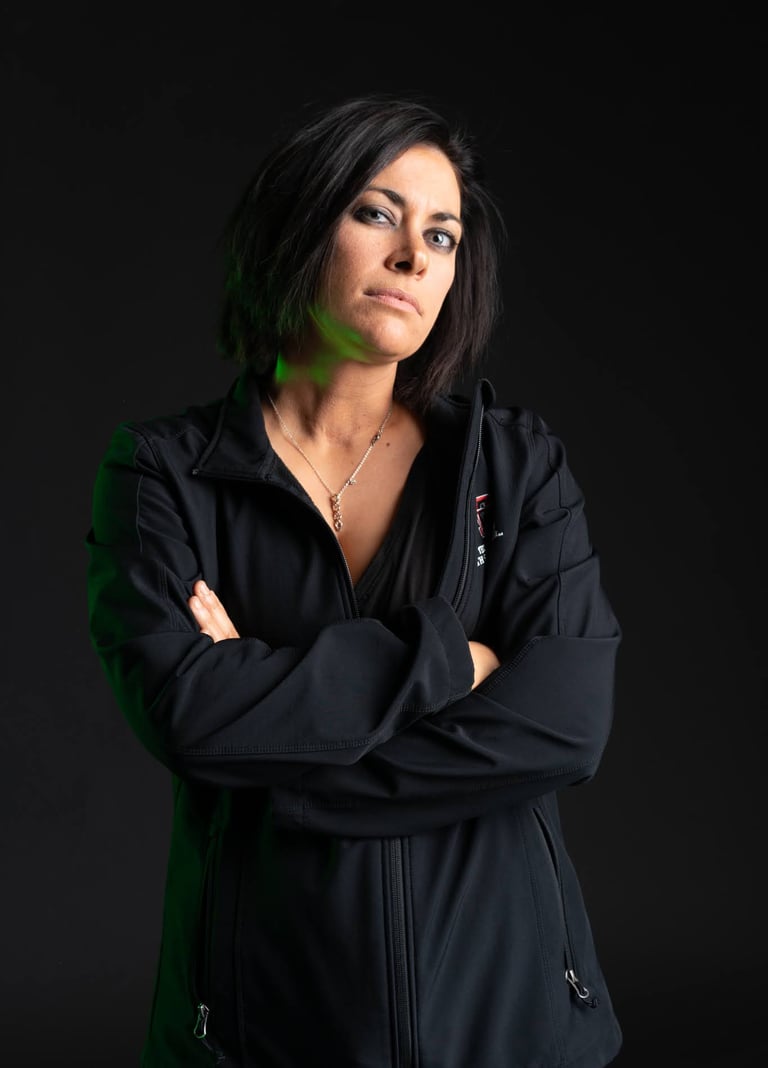
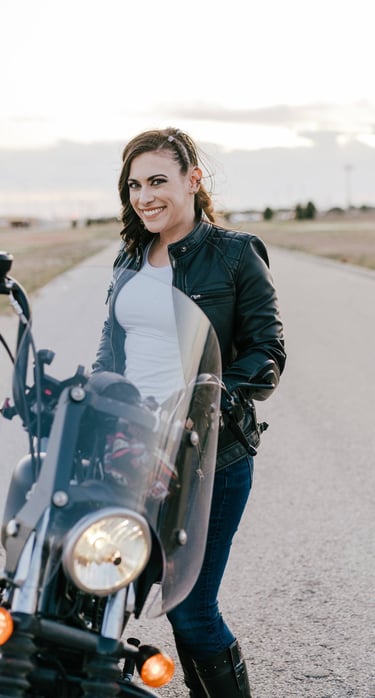
My path to science makes absolutely no sense on paper.
I worked retail through college, studied Russian Language and Area Studies at Texas Tech, spent time studying abroad in Russia, commissioned into the Air Force, and became an intelligence officer in Air Force Special Operations Command. If you're trying to figure out where cave microbes fit into that timeline, they don't. Not yet.
Like a lot of people my age, 9/11 had a huge impact on me growing up. I wanted to do something that mattered. Something useful. Something bigger than myself. At the time that looked like military service, and honestly I loved it. I loved the mission, I loved the people, and I loved trying to make sense of complicated systems where everything influences everything else and nobody ever has all the information. Looking back, that systems-thinking mindset followed me into science. At the time I thought I was just doing my job.
Then, I got sick. Years of appointments, tests, specialists, frustration, and trying to figure out why my body had apparently decided to stop cooperating. I was also dealing with an abusive marriage at the same time, which I would not recommend as a hobby. Somewhere in the middle of all that I found myself reading medical literature trying to understand what was happening to me and realizing I couldn't actually understand most of it. I could read Russian. I could analyze intelligence reporting. I could brief commanders. But I couldn't read the language of the science that might explain what was happening inside my own body. That annoyed me enough to change my life.
I originally thought I might go into athletic training. I had written fitness programs while I was active duty, spent time doing observation hours with Texas Tech Football, and genuinely enjoyed human performance and physiology. Around that same time I met my husband Alex, who is one of the best things that ever happened to me, along with my daughter. Through all the health issues, career pivots, graduate school chaos, and general life nonsense that followed, he was the person stubbornly standing beside me reminding me I was capable of more than I thought I was.
Then I started taking the science prerequisites I needed and accidentally discovered that I loved the science itself. Biology turned into genetics. Genetics turned into immunology. Immunology turned into infectious disease. Every class answered one question and created ten more. I was hooked. The immune system felt weirdly familiar. Threat detection, communication networks, pattern recognition, resource allocation, decision making under uncertainty, everybody trying to figure out who belongs and who doesn't. It was basically intelligence analysis, except the participants were cells and the consequences occasionally involved cytokine storms.
So I kept going and eventually went to Texas Tech Health Sciences Center and earned a PhD in Biomedical Sciences with a concentration in Immunology and Infectious Disease. My dissertation was called Preventing Transplant Rejection One Testicle at a Time. Yes, that's the real title. No, my committee never successfully talked me out of it.
At the same time, my husband happened to be a geologist. This turned out to be important because I spent a lot of time hiking, canyoneering, wandering around deserts, and getting exposed to geology whether I planned to or not. Then I discovered biocrusts in Moab and had a realization that would become a recurring problem in my career: biology and geology are obviously connected, and pretending otherwise seemed increasingly ridiculous. The microbes knew the rocks mattered. The rocks knew the microbes mattered. The chemistry was involved in everything. Nature had clearly built one giant interconnected system and academia had responded by dividing it into separate buildings.
Then a bat flew through the immunology hallway. His name was Bat-tholomew because we are serious professionals. I was already fascinated by immunology, infectious disease, microbial ecology, environmental systems, and weird biology. Bats are immunologically fascinating. Bats live in caves. Caves are biological systems, geological systems, chemical systems, atmospheric systems, and ecological systems all smashed together into one place. Once those dots connected, cave science became inevitable.
After graduate school I taught anatomy and microbiology at Ivy Tech, where I discovered I love teaching almost as much as research. Not the memorize-this-for-the-test version of teaching. The watching-people-realize-they-are-actually-capable-of-doing-science version. Helping students learn how to think critically, ask questions, evaluate evidence, and stop being afraid of science was one of the most rewarding things I've ever done. Apparently the students agreed because I received an Excellence in Teaching Award after a record-breaking number of nominations.
Eventually I found my way to the Kentucky Geological Survey and pitched what was either an innovative idea or a caffeine-fueled identity crisis: combine biomedical science and geoscience into a single research program focused on how geology, chemistry, microbes, ecosystems, and medicine all influence each other. Fortunately they liked the idea and the project got funded.
Now I run the Washburn CHAOS Lab based at the Kentucky Geological Survey at the University of Kentucky, where I get to investigate exactly those kinds of questions every day. Which is how a Russian major became an intelligence officer, became an immunologist, became a biomedical geoscientist, and somehow ended up directing a research lab built around microbes, caves, chemistry, and systems that refuse to stay inside disciplinary boundaries.
This work is personal too. A lot of the decisions that got me here came out of difficult chapters I'd never volunteer to repeat. I've survived illness, abuse, trauma, and enough general chaos to earn the lab name honestly. Those experiences taught me a lot about resilience, perspective, and the importance of showing up for people when things get hard. They also reinforced something I already suspected: life is too short to spend it doing work that doesn't matter.
The Washburn CHAOS Lab exists because I wanted to build the kind of scientific community I wished existed when I was younger. A place where curiosity is encouraged, weird questions are welcomed, interdisciplinary ideas are allowed to roam free, and science belongs to more people than academia sometimes acts like it does. The goal was never just to publish papers. The goal was to create something useful, collaborative, and genuinely connected to the people and systems we study.
Outside the lab, I ride with Bikers Against Child Abuse (BACA), helping kids who have already faced more than they should ever have to face reclaim confidence, safety, and their own voice. I also serve as a youth leader in The Church of Jesus Christ of Latter-day Saints, mentoring teenagers as they navigate life, faith, responsibility, and all the other complications that come with growing up. At the core of both is the same belief that drives most of my work: people matter.
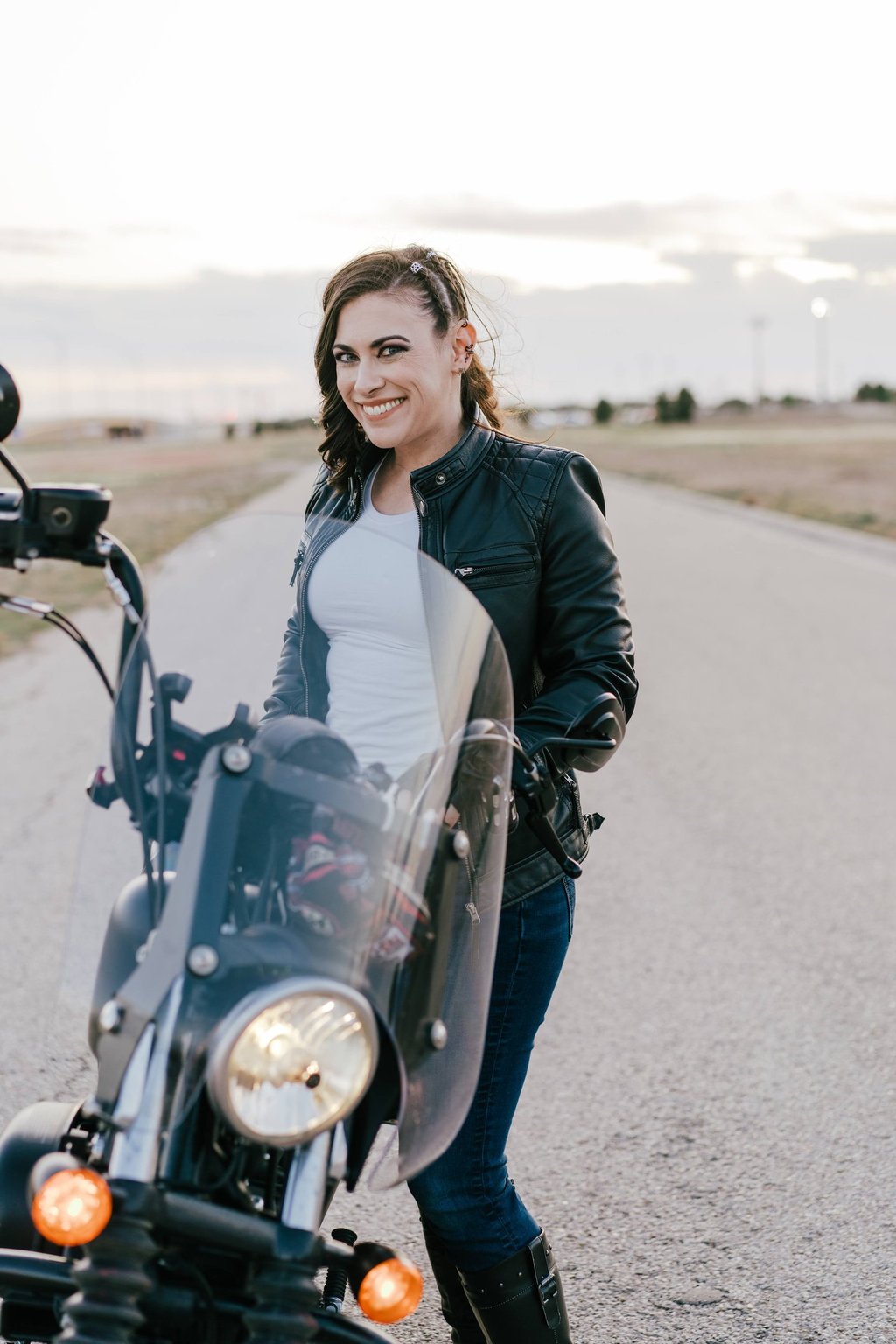
I have a service dog named Ripley, named after Ellen Ripley from Aliens because there was never really another option. I do CrossFit because caves, fieldwork, and hauling gear through places with questionable footing are significantly more enjoyable when gravity is not winning the argument. I ride motorcycles, spend entirely reasonable amounts of time in national parks, listen to metal while sequencing DNA, attend concerts whenever possible, and maintain a long-standing commitment to asking questions that occasionally make other scientists pause and say, "You want to study what?"
I have never fit neatly into a box, and honestly neither has the science I enjoy. That's probably why the Washburn CHAOS Lab ended up exactly the way it did. Makes absolutely no sense on paper. Which honestly feels very on-brand.
follow me on social media: @washburnchaoslab

Washburn CHAOS Lab
Science is metal. Science is feral. Science is CHAOS.
director@washburnchaoslab.com
#washburnchaoslab
© 2025. All rights reserved.
complex host-abiotic systems
@washburnchaoslab
Feral scientists exploring hostile systems, unstable environments, and the chemistry shaping what survives there.
#feralscience