
BLACKSITE Division
Built & Legacy-Altered Chthonic & Karst System–Induced Toxicity Effects
Imposed Toxicity
BLACKSITE is the Washburn CHAOS Lab research division focused on understanding how human-built infrastructure and legacy contamination impose long-term toxic pressure on subsurface and surface-connected systems.
This division treats caves, karst, and fluvial networks as altered operational environments, where historical decisions (sewage disposal, chemical use, lighting, land use, and management practices) have permanently reshaped microbial behavior, geochemistry, and biologically relevant toxicity.
Rather than framing subsurface systems as inherently hazardous, BLACKSITE resolves how human activity rewires microbial function and environmental chemistry, producing persistent effects that influence exposure, recovery, and downstream biological outcomes.
All work in BLACKSITE is grounded in real, heterogeneous systems and integrates microbial ecology, metabolomics, and geochemistry to trace toxicity from source to fate.
BLACKSITE Projects
BLACKSITE interrogates how human alteration reshapes microbial and geochemical systems, locking in toxic outcomes that persist beyond the initial disturbance.
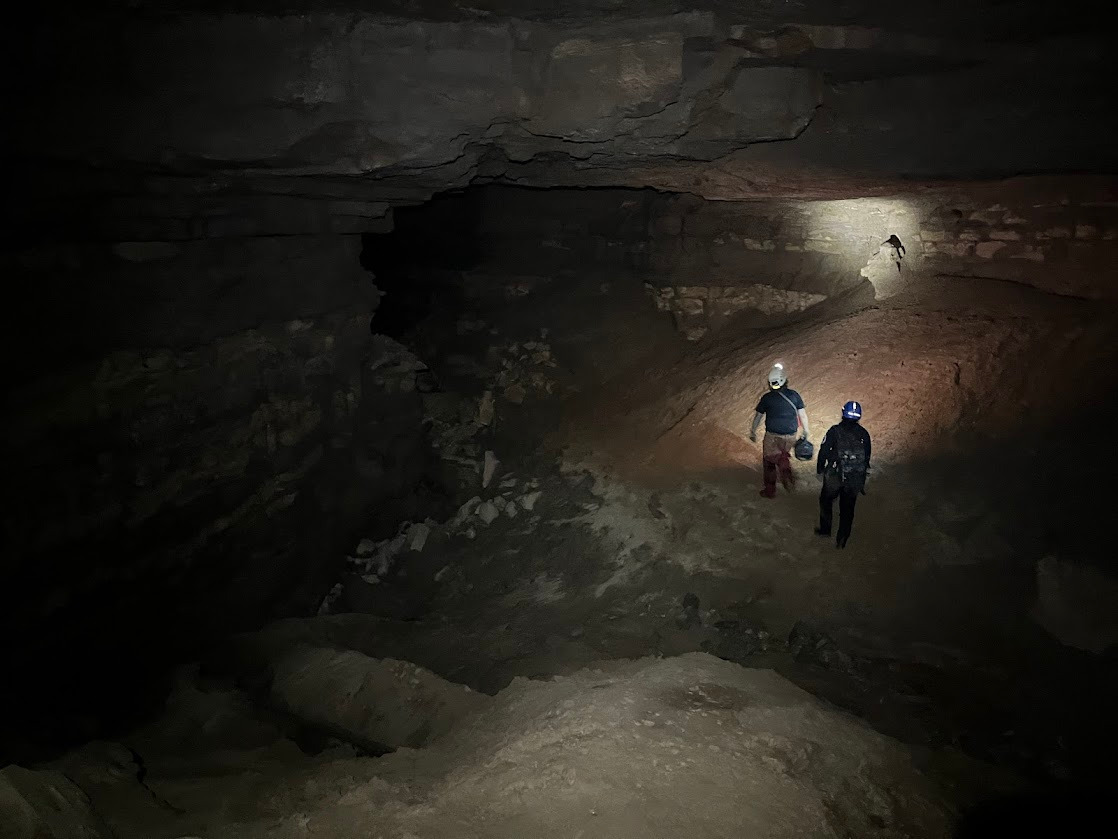
Sewage Pollution and Recovery in Hidden River Cave
Studies how historic sewage inputs rewired microbial communities, geochemistry, and metabolite profiles across polluted, recovering, wild, and show-cave environments.
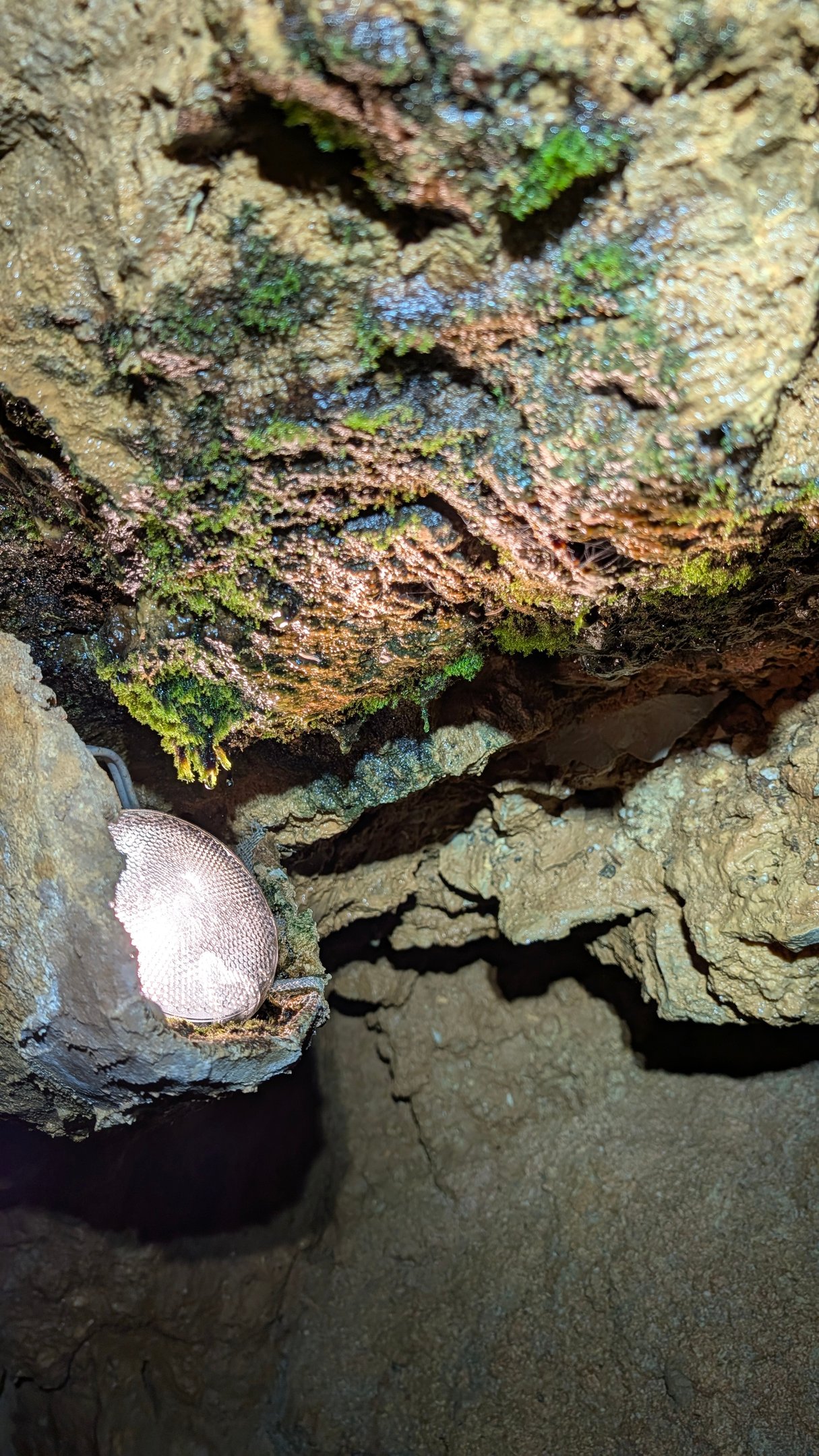
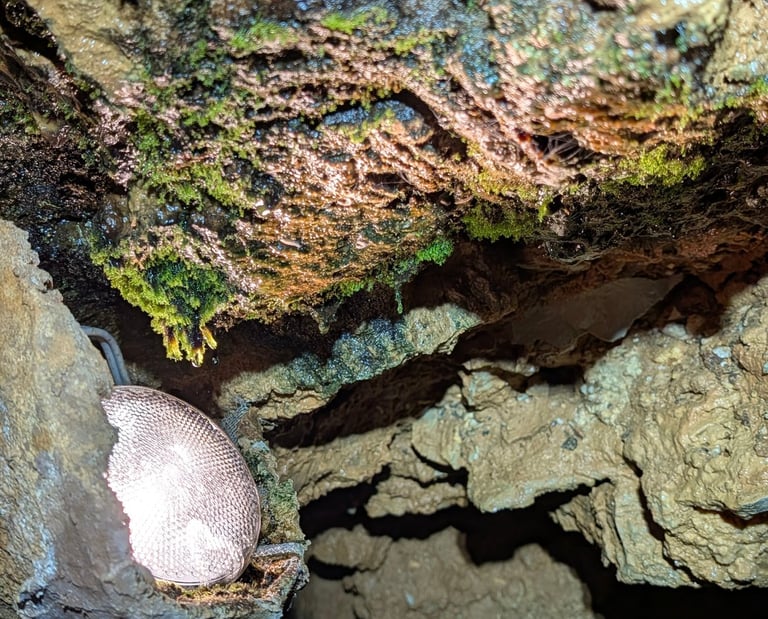
Understanding Lampenflora in Show Caves
Resolves how artificial lighting and cleaning practices restructure lampenflora-associated microbial communities and their chemical outputs in managed cave systems.
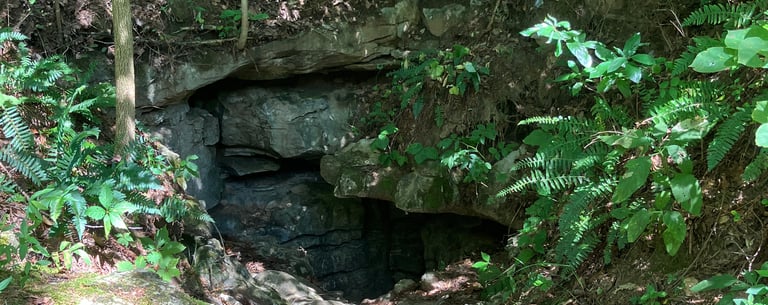
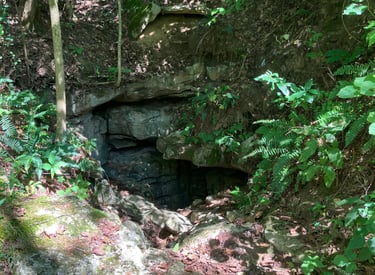
Wild vs Show Cave Systems
Disentangles the effects of human infrastructure by comparing microbial function and geochemical context in managed versus minimally disturbed caves.


Cyanotoxin Transport Through Karst Systems
Determining whether karst systems act as sinks, transformers, or conduits for cyanobacteria-derived toxins moving through subsurface flow networks.
Geospatial Microbiome Mapping
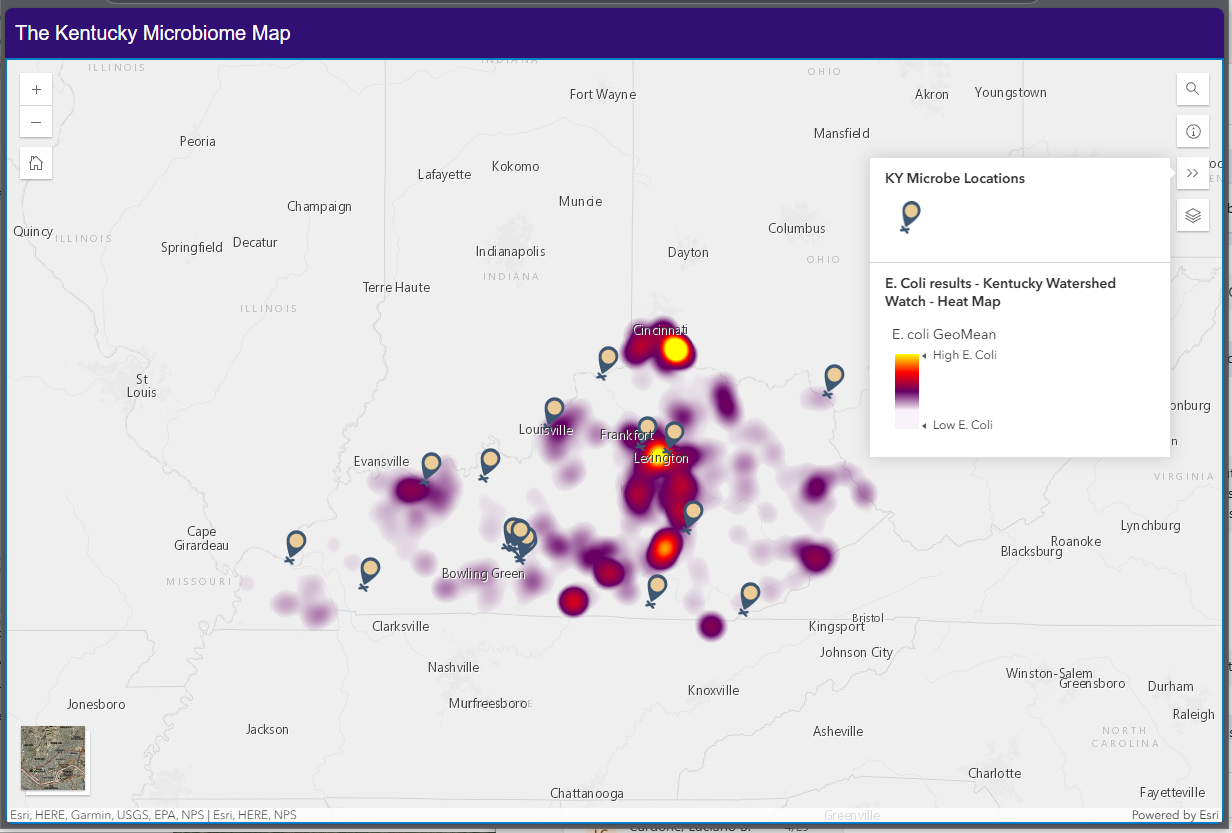
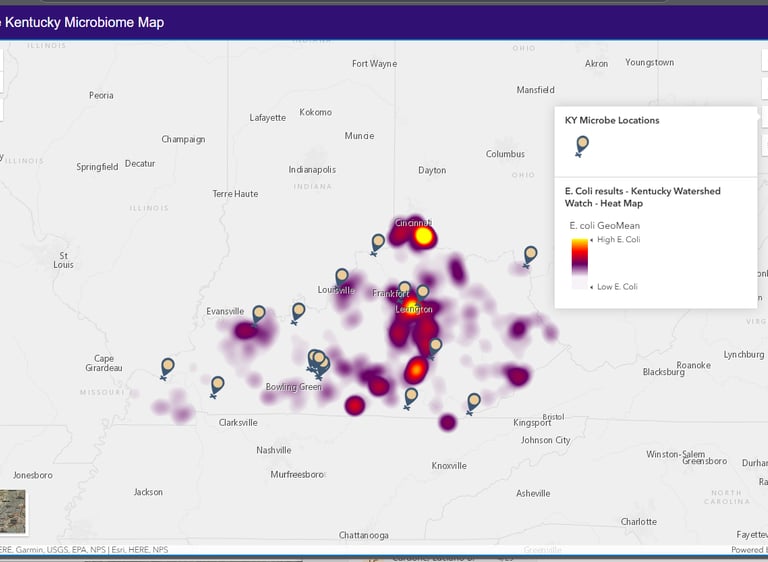
Consolidating statewide E. coli measurements and non-clinical microbiome studies into a geospatial framework that ties microbial occurrence to geology, chemistry, hydrology, and environmental history across Kentucky. Check out our Kentucky Microbiome Map here.
Statewide Fluvial E. coli Modeling
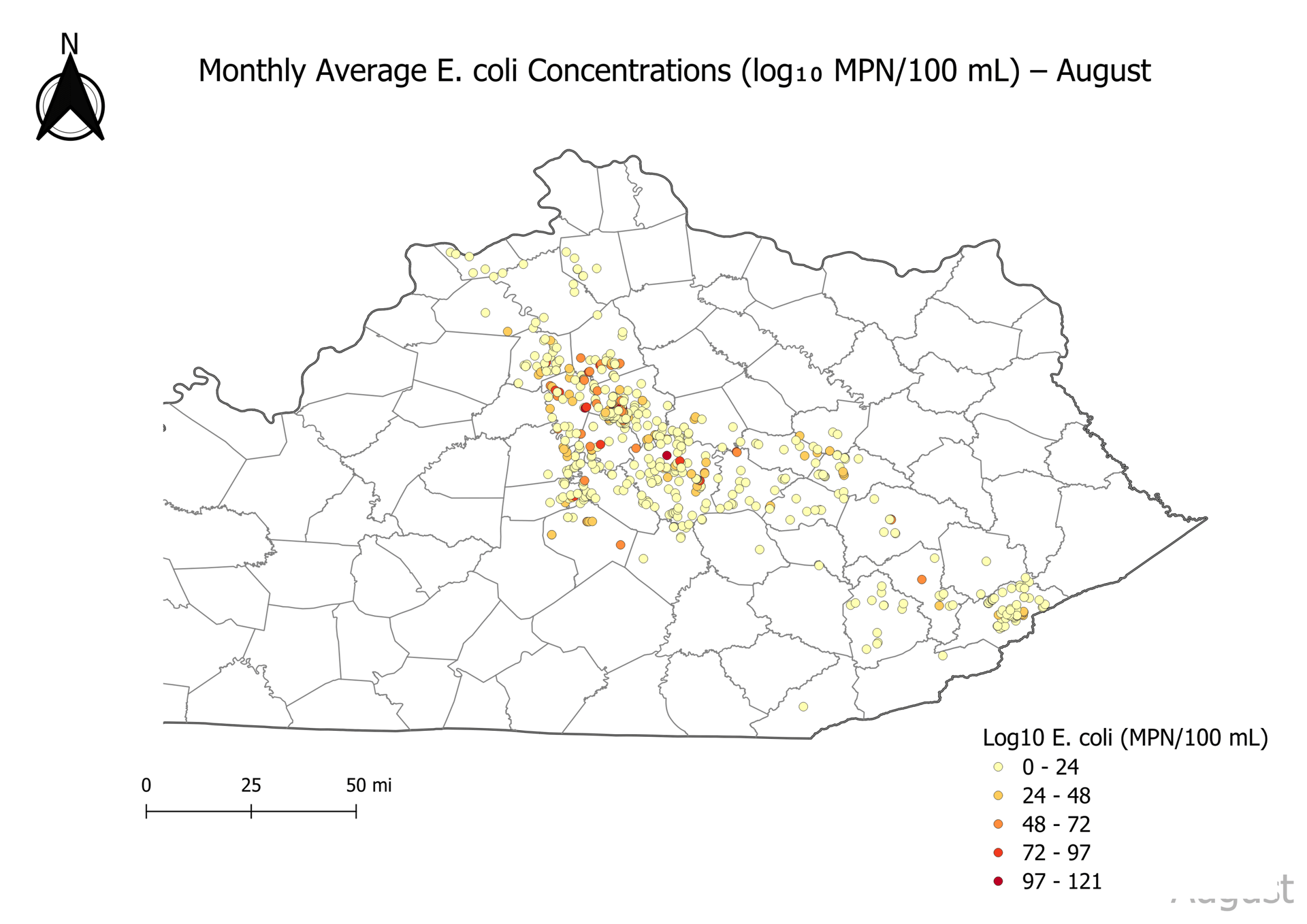
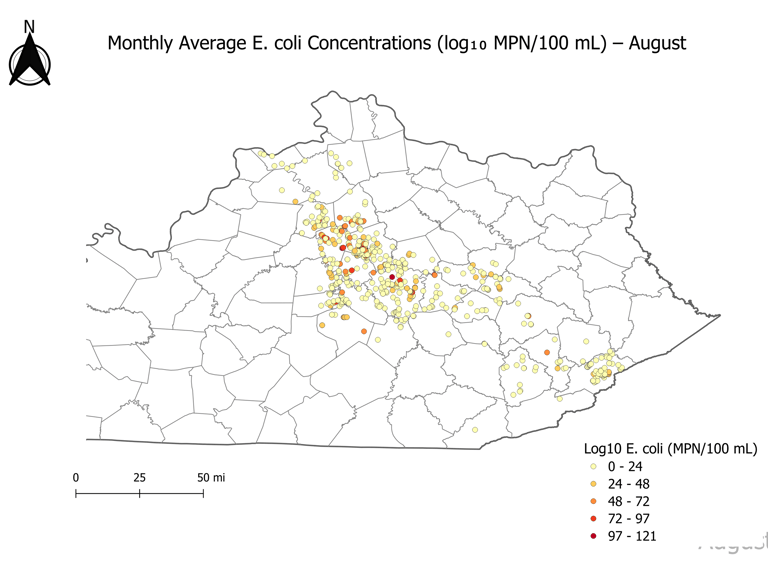
Quantifies how hydrology, landscape context, and environmental drivers govern E. coli transport and persistence across river systems using long-term datasets.


Intitate Communications
Got questions? Want to utilize the Kentucky Microbiome Map for your own research campaign? Thinking of launching a pathogen surveillance op or just need help decoding microbial mayhem? Hit us up! We don't bite, but some of our microbes might.