HAVOC Division
Hunting bioActiVe Organic Compounds
Metabolomic Arsenal
HAVOC is the Washburn CHAOS Lab’s discovery division, focused on the chemistry microbes produce when environments become harsh, competitive, unstable, or resource-limited.
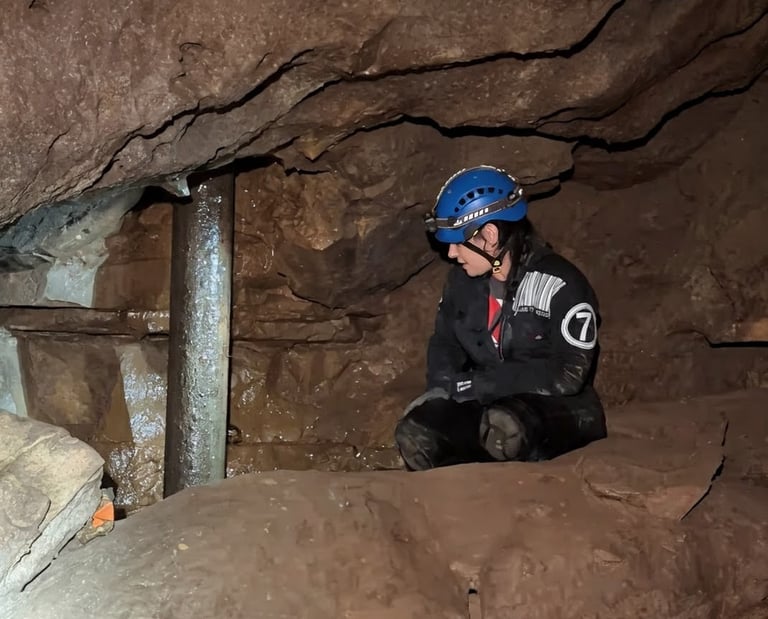
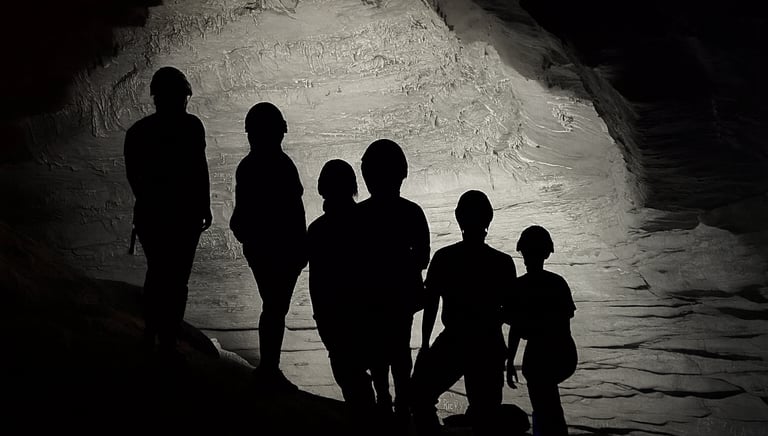
This division treats caves, polluted systems, biofilms, mines, subsurface environments, and other extreme habitats as natural biochemical proving grounds where survival pressures drive organisms to develop unusual metabolites, defensive compounds, and functional chemical strategies.
HAVOC prioritizes function over simple identification, integrating microbial community analysis, geochemical context, and untargeted metabolomics to identify bioactive compounds, stress-tolerance mechanisms, detoxification pathways, and microbe–mineral interactions that do not emerge in comfortable laboratory conditions.
By grounding discovery in environmental realism, HAVOC bridges microbiology with biomedical, environmental, and resource-relevant applications, extracting usable biology from places where life has already solved hard problems.


HAVOC Research Projects
BIOFORGE extracts usable biology from extreme environments, leveraging microbial survival strategies forged under pressure.
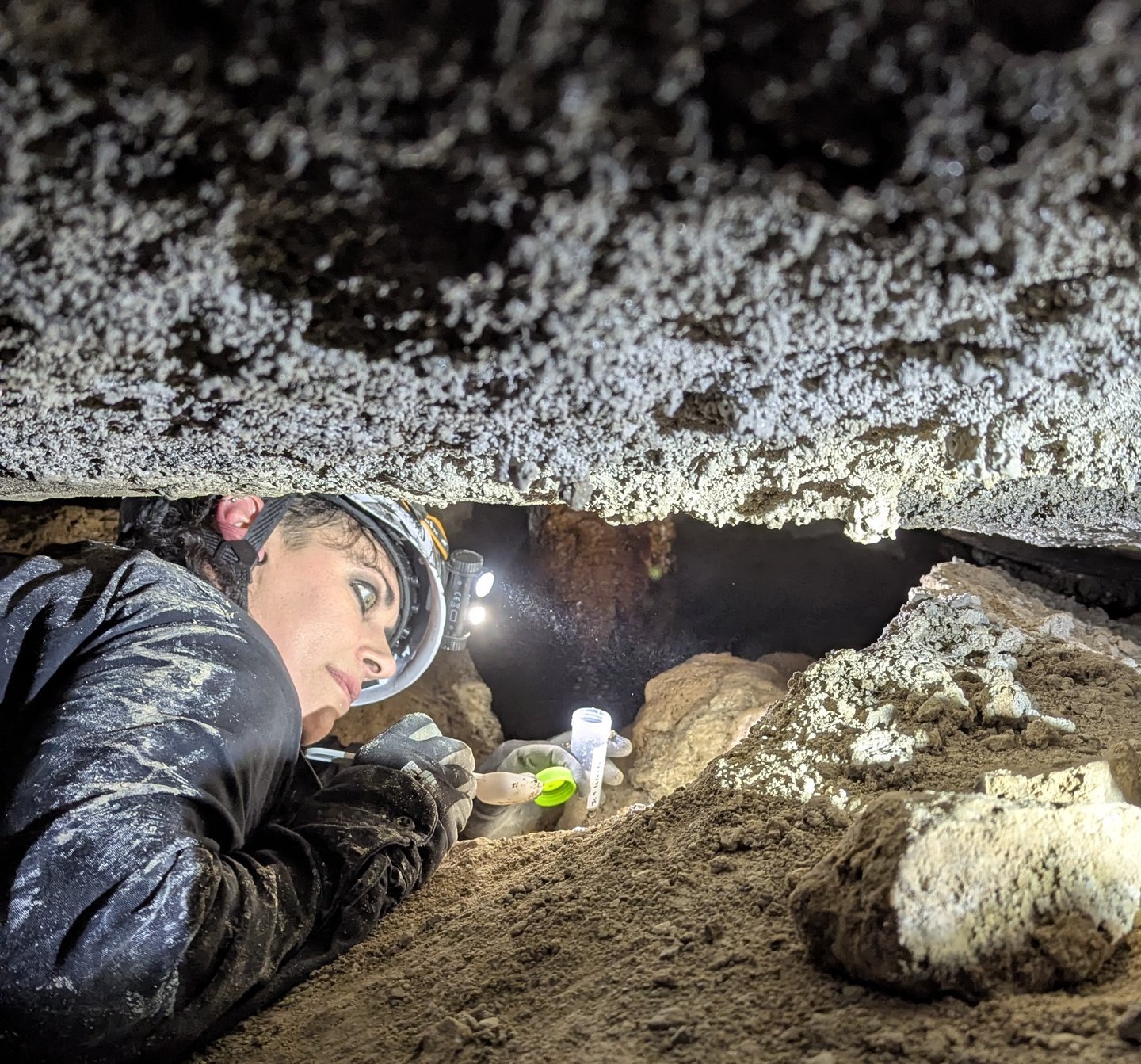
Extreme Environment Drug Discovery
Microbes have been trying to chemically kill each other since long before dinosaurs existed, which honestly makes them better chemists than we are. This project searches extreme and environmentally stressed systems for microbial compounds with potential medical applications, including antimicrobials, antifungals, and anticancer drugs.
Chemical Countermeasures Against White-Nose Syndrome
White-Nose Syndrome has wiped out millions of bats across North America, which is bad news for ecosystems, agriculture, and literally anyone who dislikes mosquitoes. This project investigates environmental microbes and their chemistry to identify compounds capable of slowing or inhibiting the fungus Pseudogymnoascus destructans responsible for the disease because bats are ecologically critical, objectively adorable, and honestly deserve better than being taken out by cave fungus.
Biofilm Warfare on Infrastructure
Biofilms are basically microbial cities glued to surfaces and running chemical operations 24/7 with absolutely no concern for human infrastructure. This project investigates the chemistry produced inside environmentally exposed biofilms and how those microbial systems influence corrosion, contamination, water quality, infrastructure stability, and potentially useful environmental metabolites.
Environmental Detoxification and Bioremediation
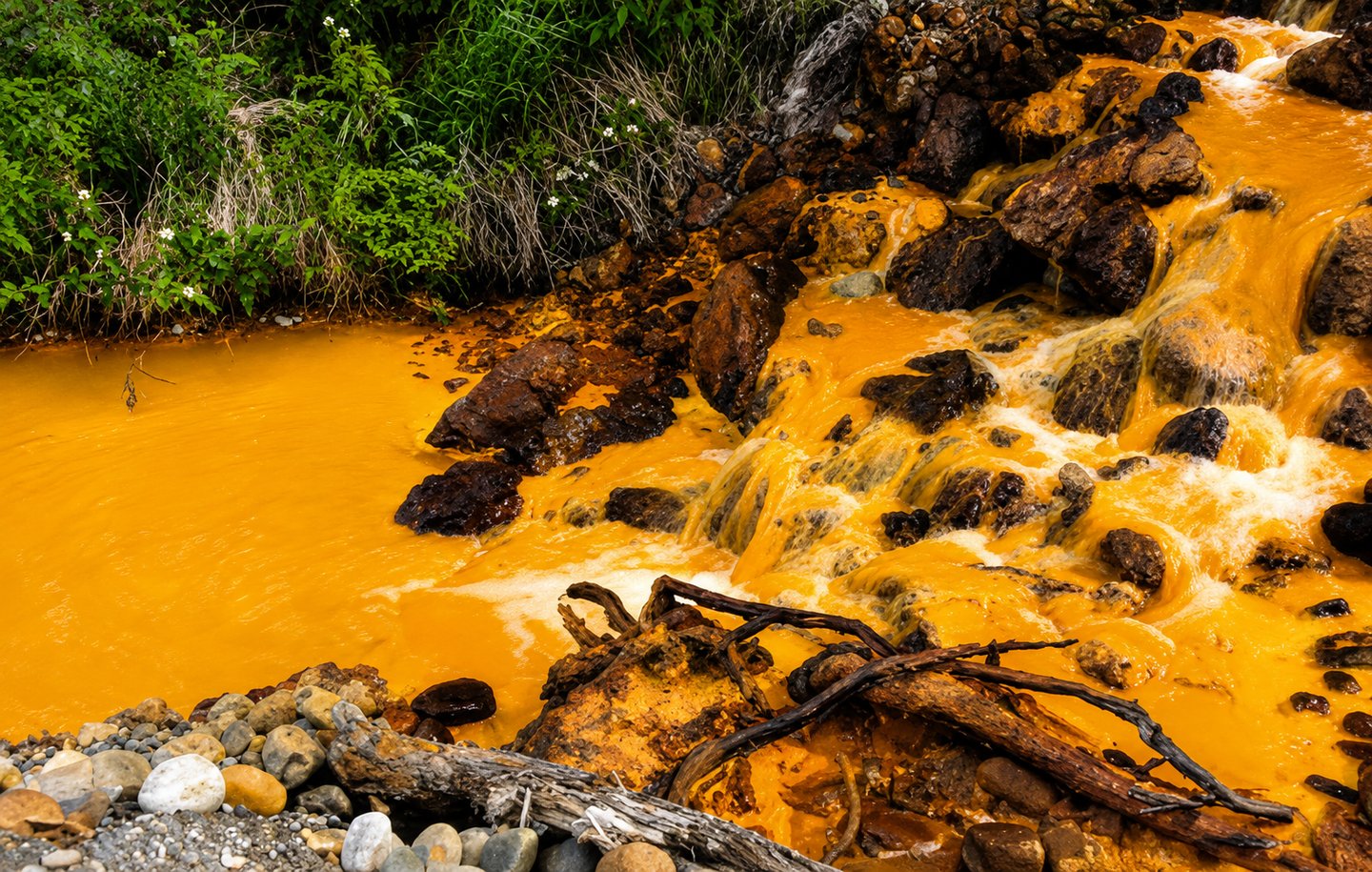
Some microbes survive polluted environments by turning toxic chemical disasters into food, energy, or a mild inconvenience. This project investigates the microbial chemistry involved in contaminant breakdown, detoxification, and environmental recovery across polluted and chemically stressed systems. By studying legacy-contaminated and recovering environments at the source, we investigate how microbial communities and their chemistry shift as damaged systems fight their way back from environmental catastrophe.
Biomining and Critical Mineral Recovery
Some microbes can pull off geochemical nonsense that would normally require industrial processing and a concerning amount of energy. We're ramping up this project to investigate how microbial chemicals interact with rocks, metals, and minerals to mobilize, concentrate, transform, or recover economically important elements for potential biomining and critical mineral applications.





Contact HAVOC
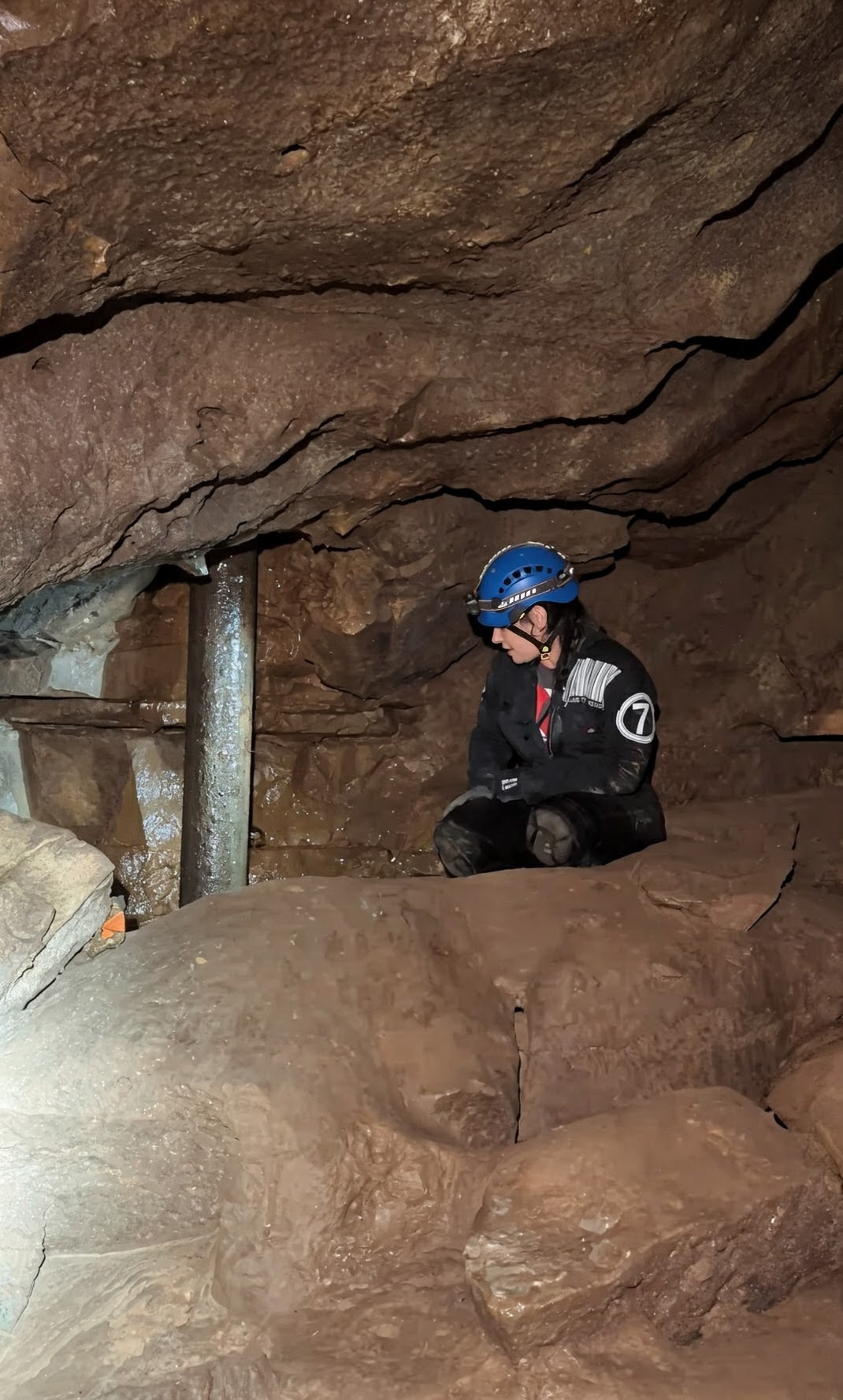
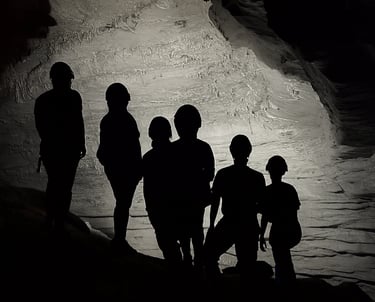
Interested in the chemistry side of CHAOS Lab? Want to collaborate, stay updated on HAVOC projects, suggest a strange environment for sampling, or talk bioprospecting in the underworld? Reach out. We are always looking for weird systems, interesting chemistry, and people who think microbes doing unhinged things underground is scientifically important.
Washburn CHAOS Lab
Science is metal. Science is feral. Science is CHAOS.
director@washburnchaoslab.com
#washburnchaoslab
© 2025. All rights reserved.
complex host-abiotic systems
@washburnchaoslab
Feral scientists exploring hostile systems, unstable environments, and the chemistry shaping what survives there.
#feralscience