MAYHEM Division
Microbiomes Across dYnamic and Human EnvironMents
Microbial Upheaval
MAYHEM is the Washburn CHAOS Lab’s environmental microbiology division, focused on what happens when ecosystems get stressed, disrupted, polluted, destabilized, or shoved out of equilibrium and microbes have to figure out how to survive it.
This division investigates microbial communities across dynamic systems including caves, floodplains, landslides, polluted karst environments, infrastructure-associated biofilms, and wildlife-associated ecosystems, treating environmental change not as background noise, but as the thing driving the entire system.
MAYHEM integrates microbiome analysis, environmental geochemistry, spatial mapping, and ecological context to investigate how microbial systems reorganize under stress, recover after disturbance, interact with pollutants and infrastructure, and reshape the environments around them.
By studying microbes where the chaos is actually happening, MAYHEM helps uncover how ecosystems recover after pollution and environmental damage, how microbial communities may help stabilize soils and slow erosion in landslide-prone areas, how biofilms impact environmental and water quality in built systems, and how environmental microbiomes influence disease.
MAYHEM Projects
MAYHEM investigates what happens when ecosystems get stressed, destabilized, polluted, disrupted, or shoved out of equilibrium and microbes have to figure out how to survive the fallout.
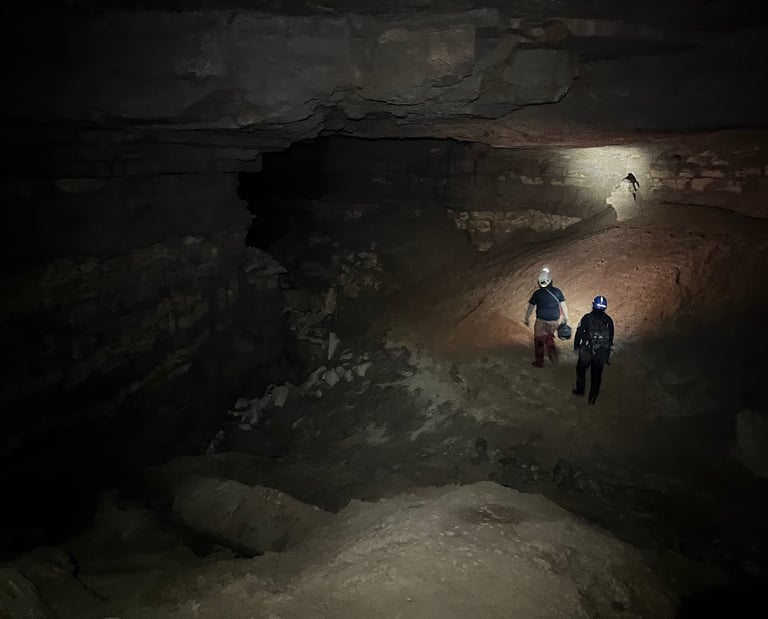
Legacy Pollution in the Underworld
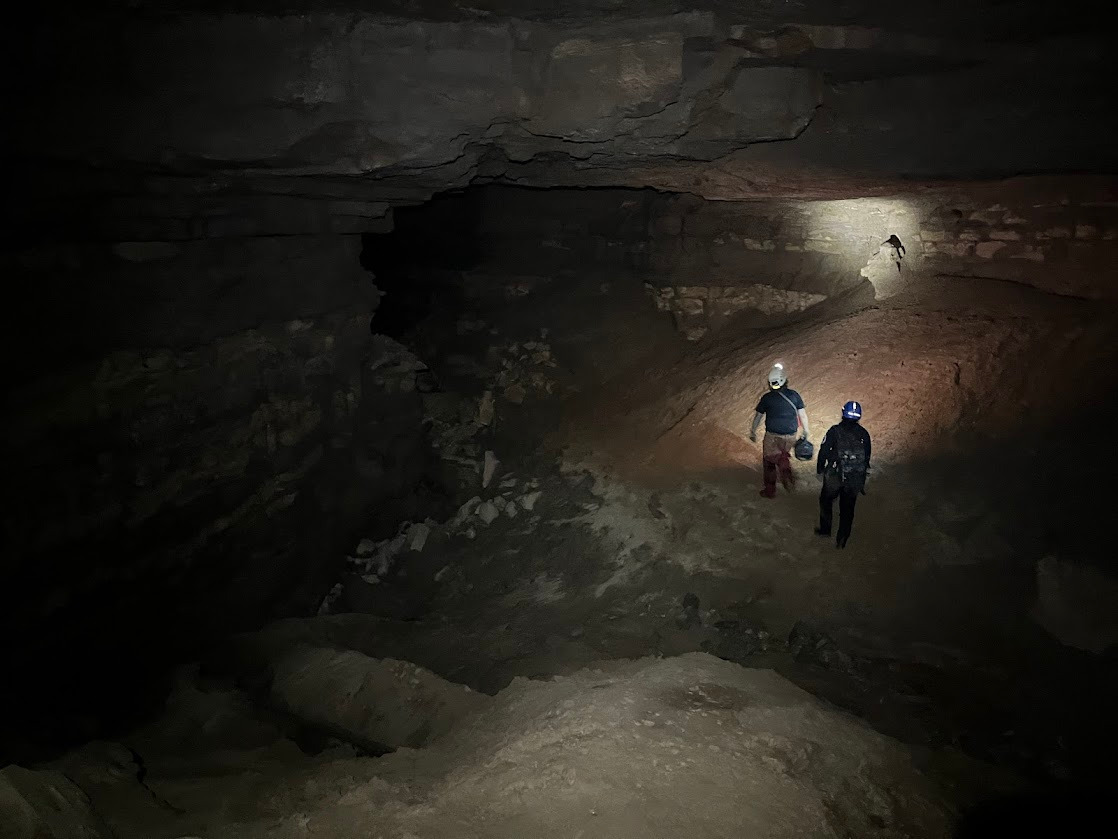
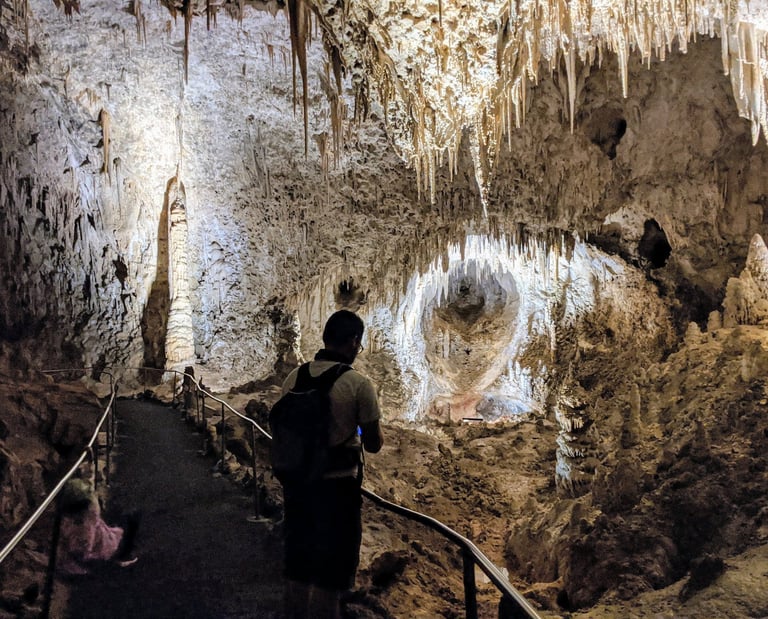
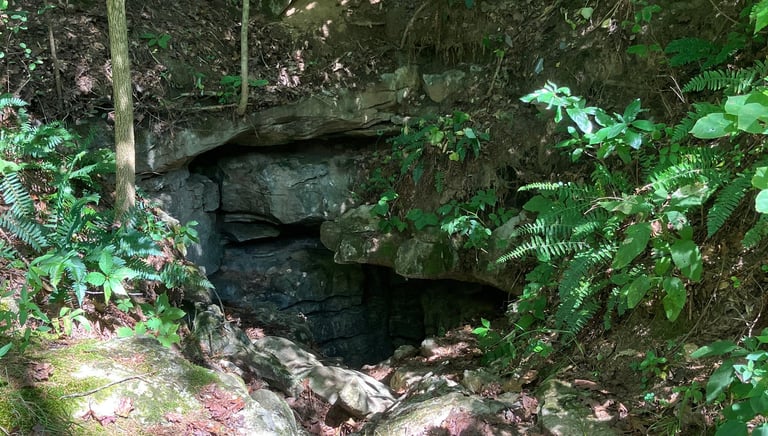
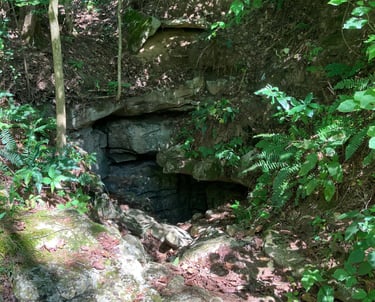
Some cave systems have spent decades acting as dumping grounds for pollution, sewage, runoff, and environmental contamination, and the microbes living there have had to adapt accordingly. This project investigates microbiomes, environmental chemistry, and ecological recovery across impacted and recovering cave systems to understand how underground ecosystems respond to contamination, environmental stress, and long-term human disturbance.
Biocrust Defenses Against Erosion
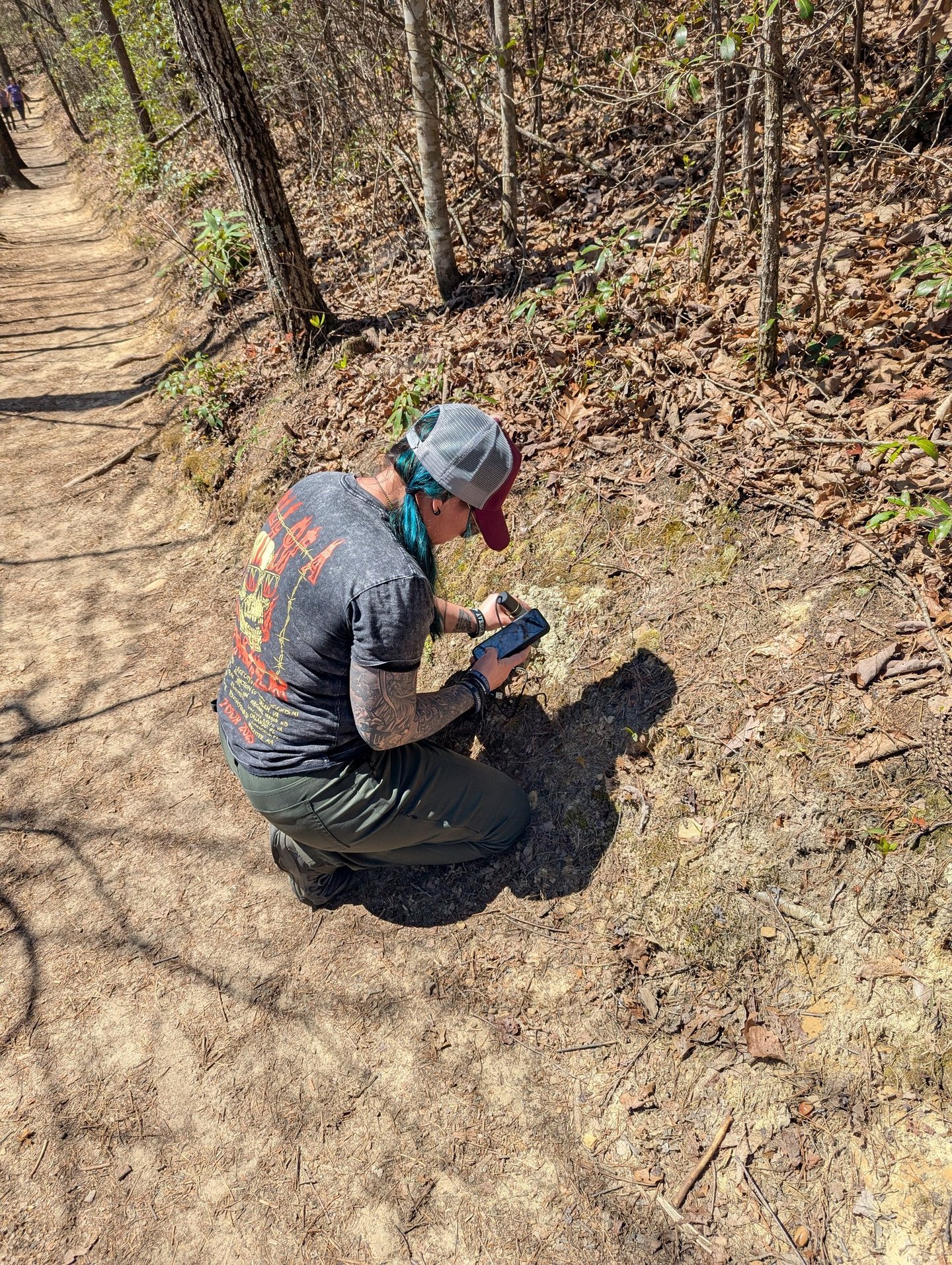
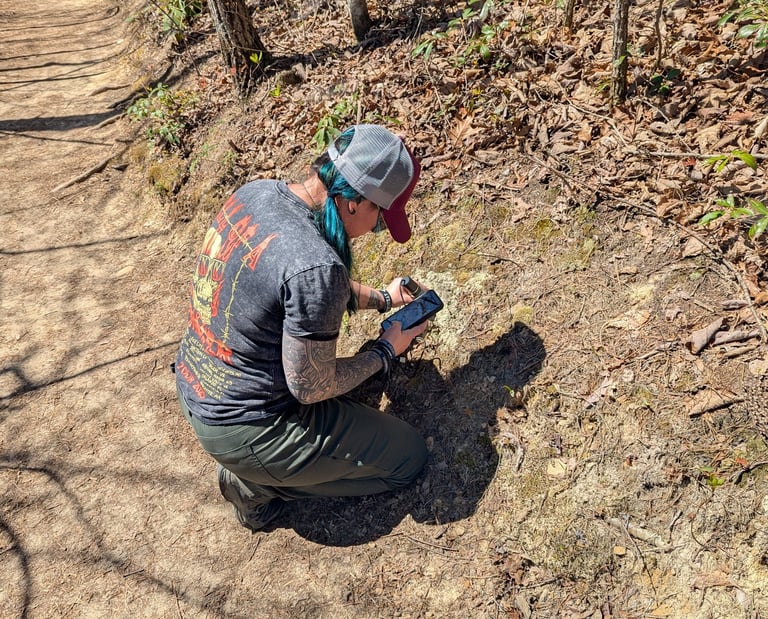
Flooding, erosion, landslides, and environmental instability turn landscapes into slow-motion environmental demolition zones, and the microbes living there have to either adapt or get buried with everything else. This project investigates soil microbiomes and biocrust communities across disturbed and stable landscapes to understand whether microbial systems help reinforce soils, resist erosion, reduce slope failure, and slow the kind of environmental collapse that likes to take roads, hillsides, and occasionally entire chunks of Kentucky with it.
Microbial Fallout After Flooding
Floodwater is basically environmental chaos soup carrying runoff, sewage, soil microbes, contaminants, and whatever else the landscape decides to throw into the water column. This project investigates how flooding reshapes microbial communities, including the emergence and persistence of antibiotic-resistant and potentially pathogenic microbes in flood-impacted systems, so we can better understand the microbial fallout left behind after environmental disasters and help communities fight back against what ends up growing in the aftermath.
Microbial Regime Shifts Across Cave Management Practices
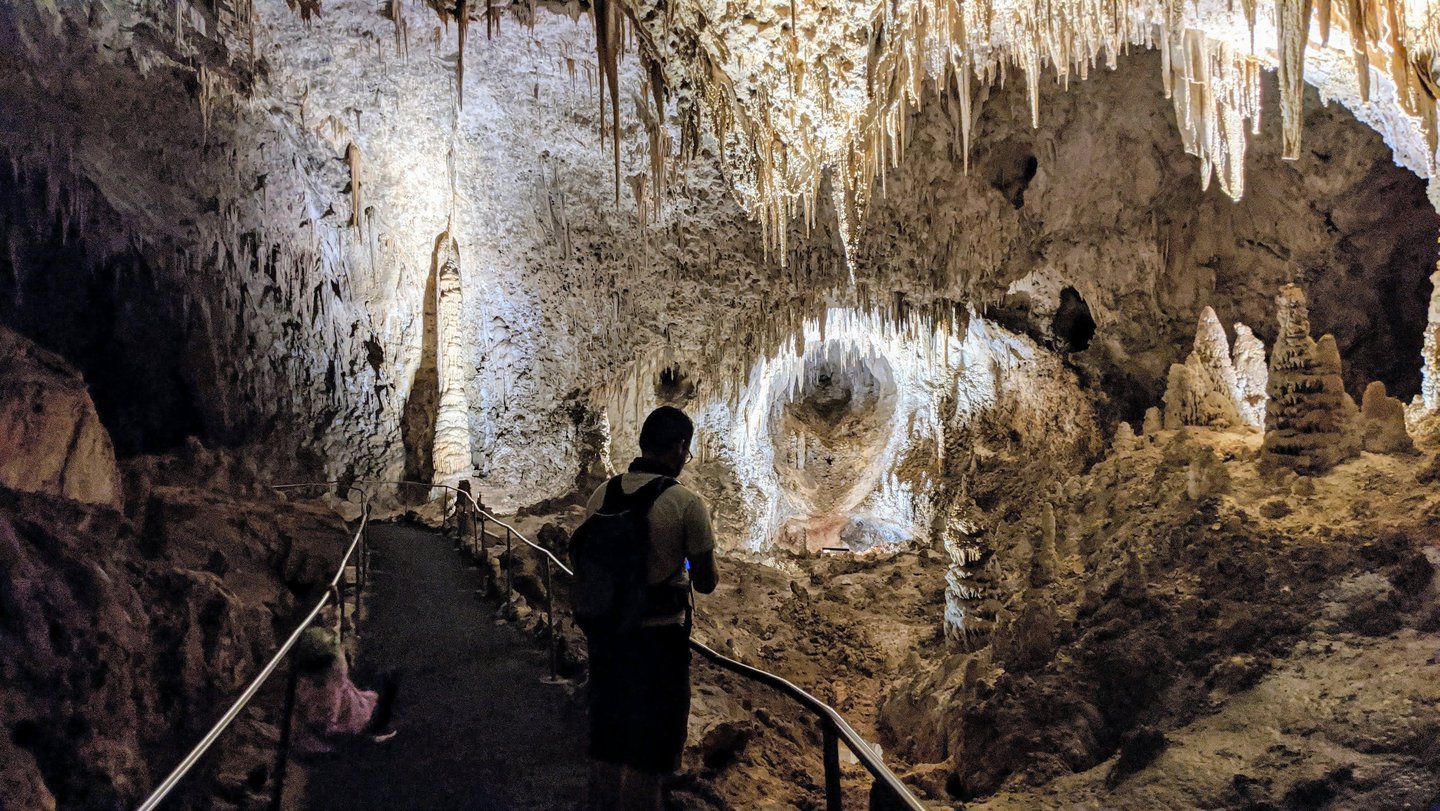
Not all caves operate under the same rules. Some have lighting systems, tourism, infrastructure, and thousands of visitors. Others remain mostly wild. This project compares microbiomes across different cave systems to understand how underground ecosystems respond to different environmental conditions and management approaches, helping cave stewards better manage conservation, restoration, and lampenflora outbreaks before the cave walls start growing glowing swamp salad.
Geospatial Microbiome Mapping Initiative
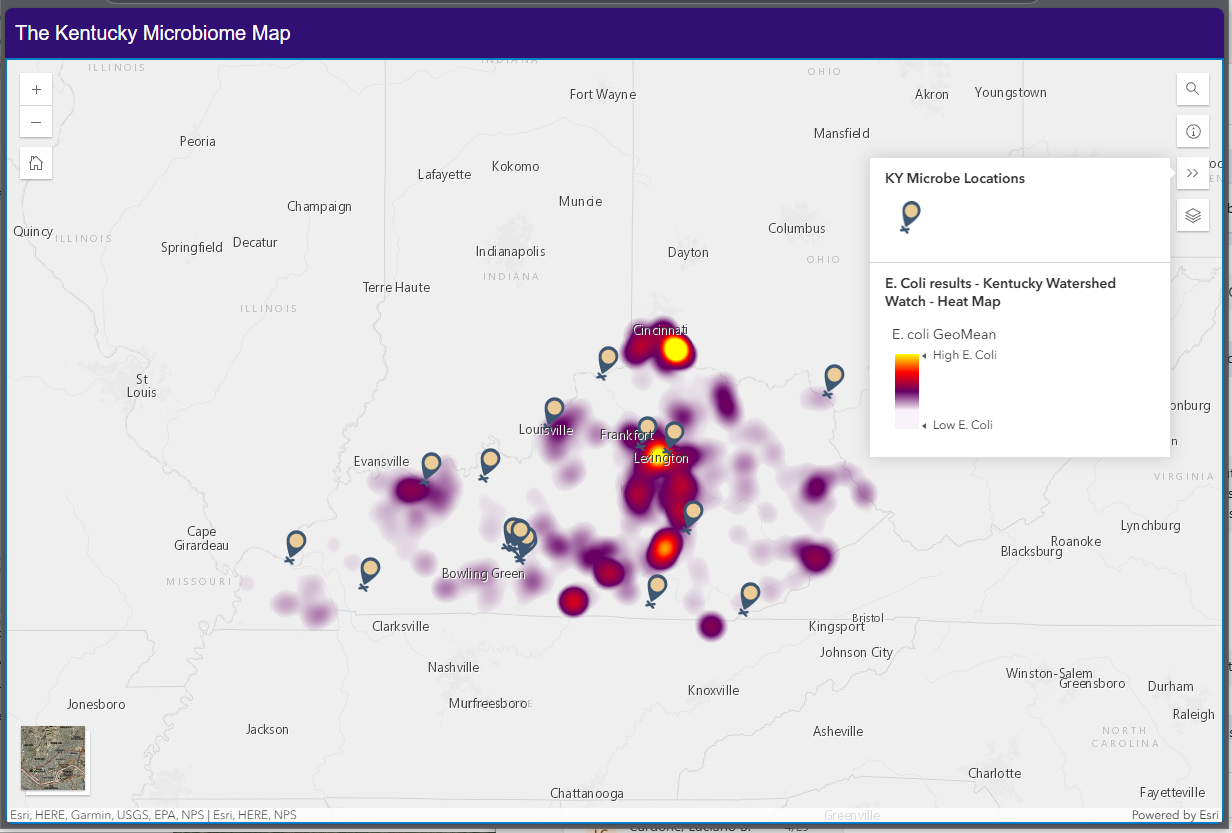
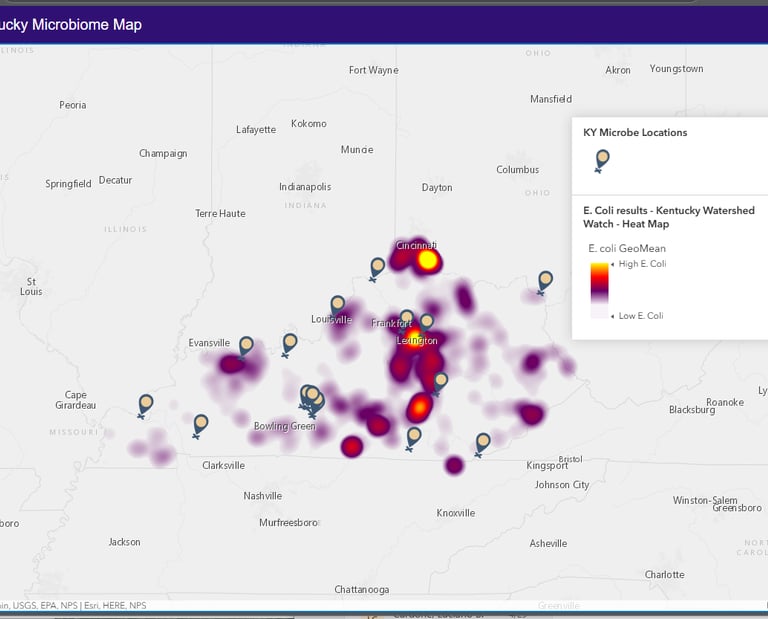
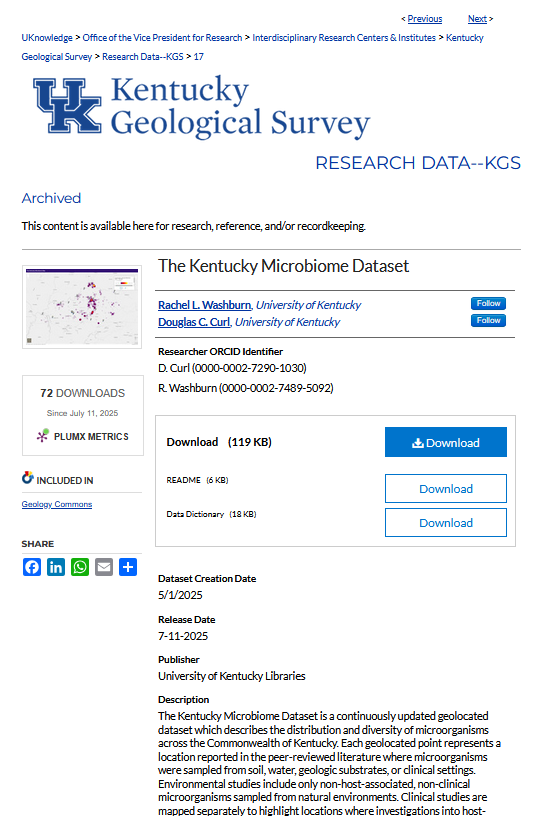
Microbial communities are constantly reacting to geology, chemistry, pollution, climate, environmental disturbance, and whatever environmental chaos is happening around them, but most of those patterns remain completely unmapped. This project is building a geospatial microbiome map integrating microbial, chemical, geologic, and environmental data across Kentucky to track how microbial ecosystems shift across landscapes, disturbed systems, and human-altered environments. Check out our Kentucky Microbiome Map here.
Interrogating Legacy Datasets for Microbial Surge Drivers
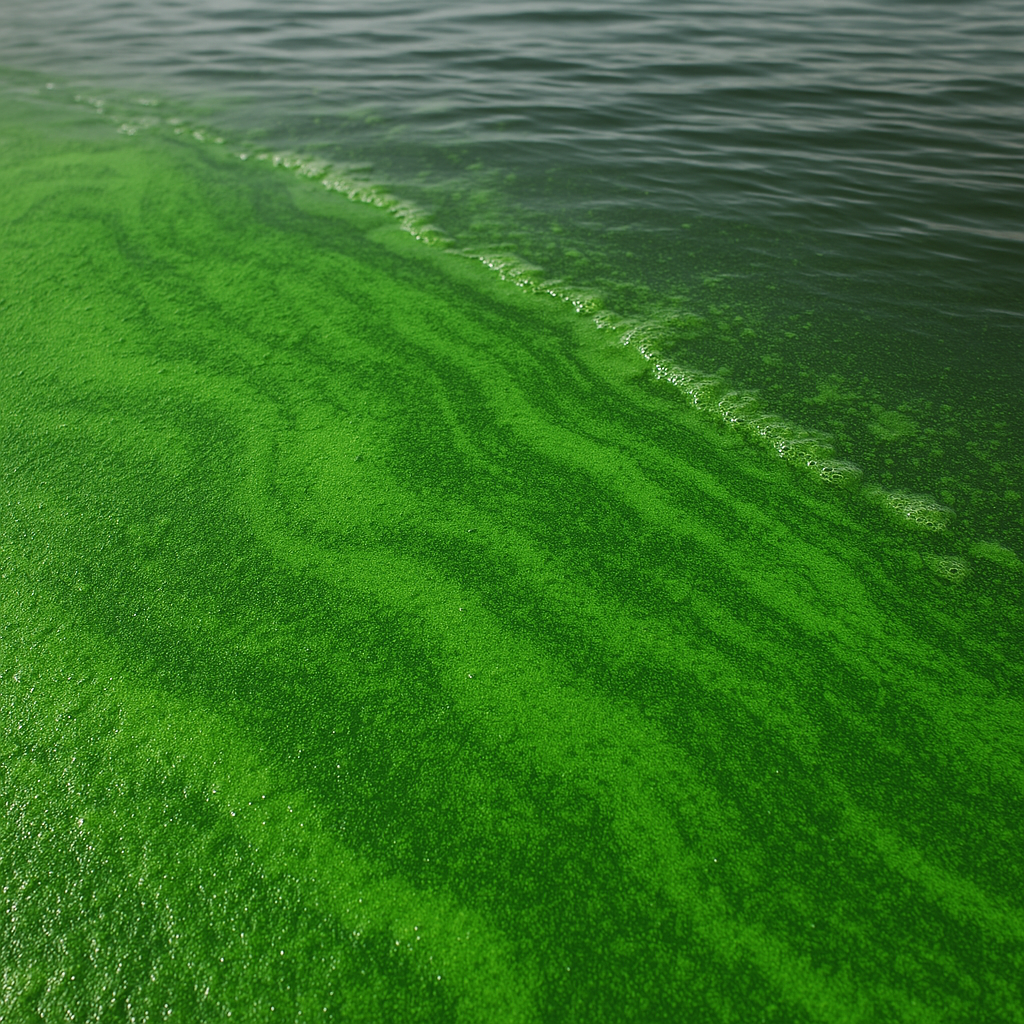
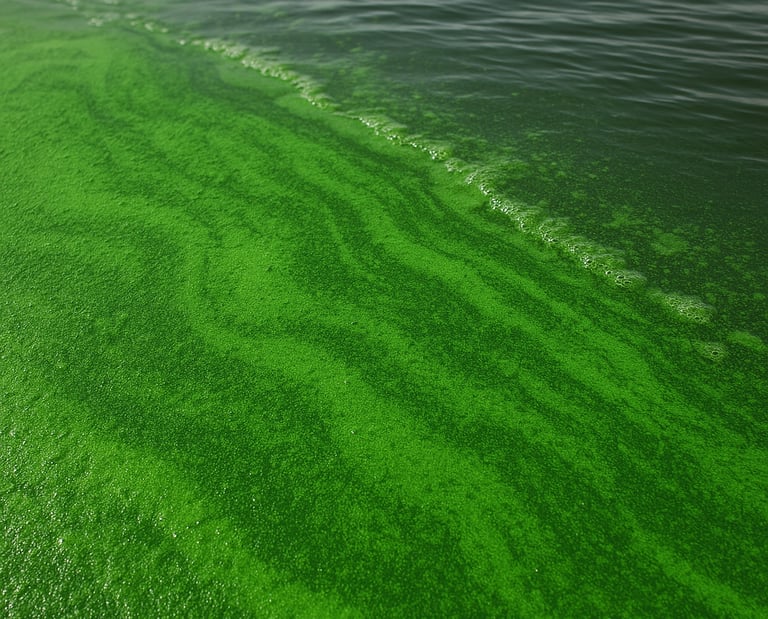
Rivers and floodwaters are basically environmental mosh pits where rainfall, runoff, chemistry, temperature, and flow conditions constantly decide which microbes are about to take over the venue. This project uses long-term hydrological datasets to investigate how factors like rainfall, pH, dissolved oxygen, turbidity, conductivity, temperature, and flow rate drive microbial surges involving E. coli, fecal coliform bacteria, harmful algal blooms, diatoms, and other environmentally responsive microbial systems.

MAYHEM Division Publications
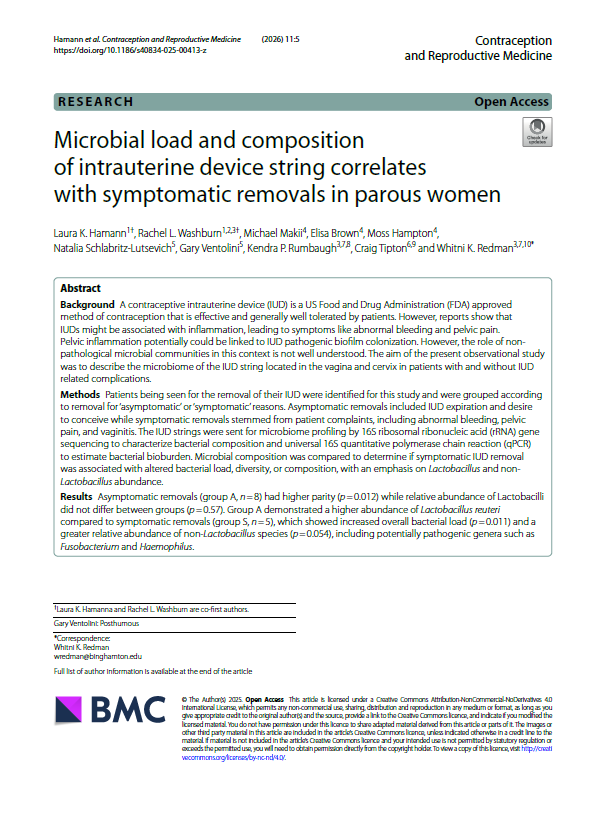
Microbial Biofilm on IUDs
Microbial composition of intrauterine device biofilm correlates with complaints and abnormal removals in parous Hispanic women
real science. peer-reviewed. citation ready.
KY Geohealth Research Update
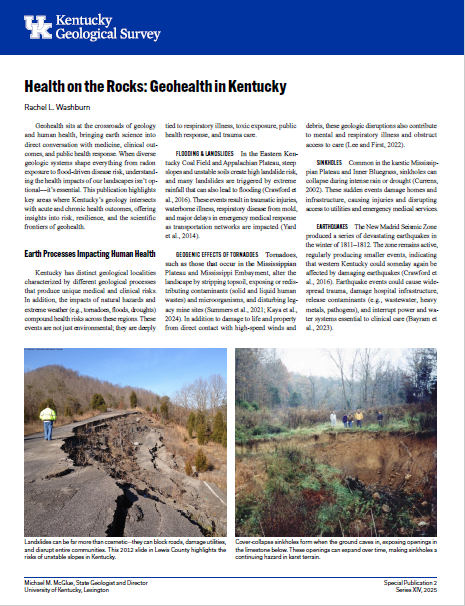
Health on the Rocks: Geohealth in Kentucky
KY Spatial Map Dataset
The Kentucky Microbiome Dataset [ver. 1, 2025-07]: Kentucky Geological Survey
Hamann LK & Washburn RL, Makii M, Brown E, Hampton M, Schlabritz-Lutsevich N, Ventolini G, Phillips C, Rumbaugh KP, Tipton C, Redman WK. Microbial composition of intrauterine device biofilm correlates with complaints and abnormal removals in parous Hispanic women. Contracept Reprod Med. 2025 Dec 6;11(1):5. doi: 10.1186/s40834-025-00413-z. PMID: 41353192; PMCID: PMC12781424.
Washburn RL, Health on the Rocks: Geohealth in Kentucky. Kentucky Geological Survey, ser. 14, Special Publication 2, 4 p. https://doi.org/10.13023/KGS.14.SP.2.2025
Curl DC, Washburn RL. The Kentucky Microbiome Dataset [ver. 1, 2025-07]: Kentucky Geological Survey, ser. 14, research data. (2025). https://doi.org/10.13023/kgs.data.07.11.2025


Contact MAYHEM
Want to deploy the Kentucky Microbiome Map, contribute environmental datasets, or point us toward ecosystems actively trying to collapse? Reach out to the MAYHEM Division. We are always looking for collaborators, field sites, weird environmental systems, and people who also think microbial ecology gets more interesting when the environment stops behaving nicely.
Washburn CHAOS Lab
Science is metal. Science is feral. Science is CHAOS.
director@washburnchaoslab.com
#washburnchaoslab
© 2025. All rights reserved.
complex host-abiotic systems
@washburnchaoslab
Feral scientists exploring hostile systems, unstable environments, and the chemistry shaping what survives there.
#feralscience