
Methods of CHAOS
A look under the hood at the techniques we use to turn real-world complexity into systems-level insights.
16S / 18S rRNA Gene Amplicon Sequencing
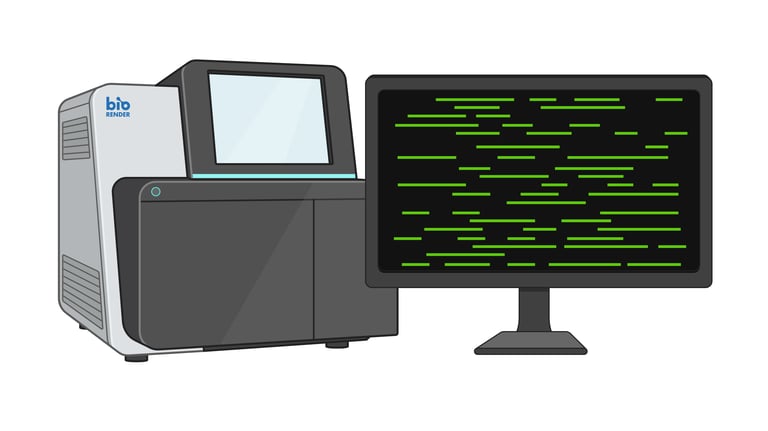
This is how we figure out who’s there. We sequence conserved genetic markers and profile bacterial, archaeal, and eukaryotic communities at high depth. This allows us to compare microbial structure across environments, disturbance gradients, and chemical contexts. It gives us the cast of characters, not just the loud ones.
Liquid Chromatography–Mass Spectrometry
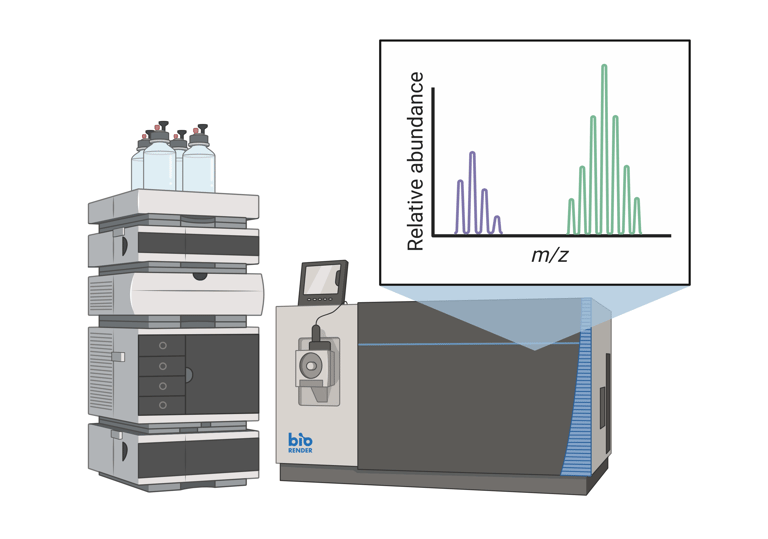
We use LC/MS to separate and detect complex mixtures of metabolites, creating chemical fingerprints of environmental systems. High-resolution QTOF LC/MS/MS adds precise mass and fragmentation data for confident metabolite identification. This is where molecular chaos turns into “this is the molecule doing it.”
Polymerase Chain Reaction
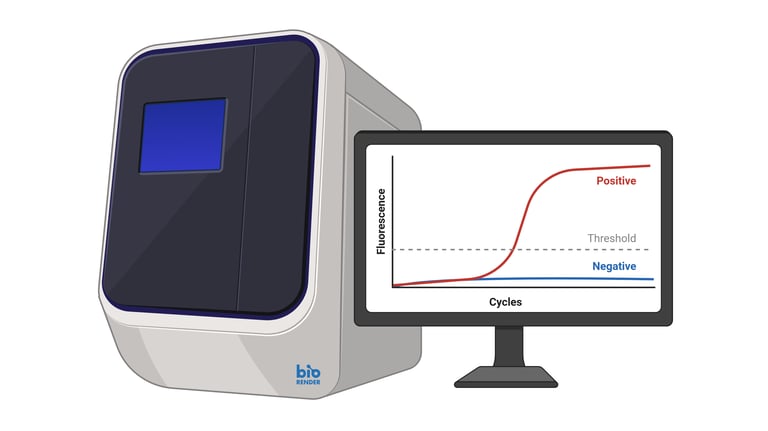
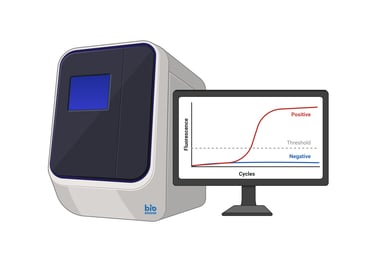
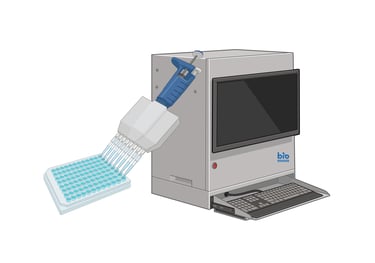
PCR lets us target specific genes or organisms in complex environmental samples to confirm presence and screen systems. qPCR takes it further by quantifying those targets, turning detection into real, comparable abundance data. Together, they answer “are you here?” and “how much are you actually running the system?”
X-Ray Diffraction
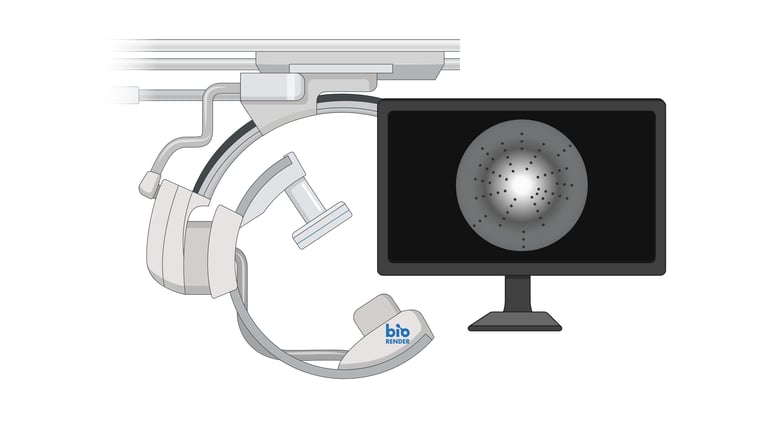
XRD uses X-rays to identify the crystal structures of minerals in rocks and sediments. This tells us exactly which minerals are present, not just what elements exist. Here’s where “something interesting is happening” becomes “this mineral is controlling the system.”
X-Ray Fluorescence
XRF uses X-rays to excite elements in solid samples and measure elemental composition. It reveals bulk and trace element patterns tied to sources, stress, and disturbance. This is how we stop guessing and point to a specific elemental fingerprint.
Inductively Coupled Plasma-Optical Emission Spectroscopy
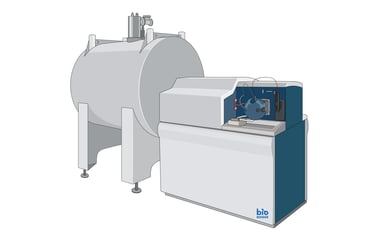
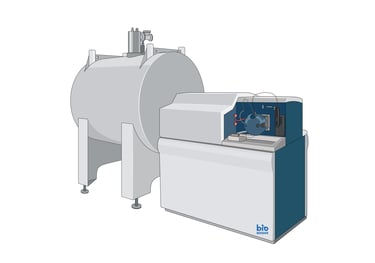
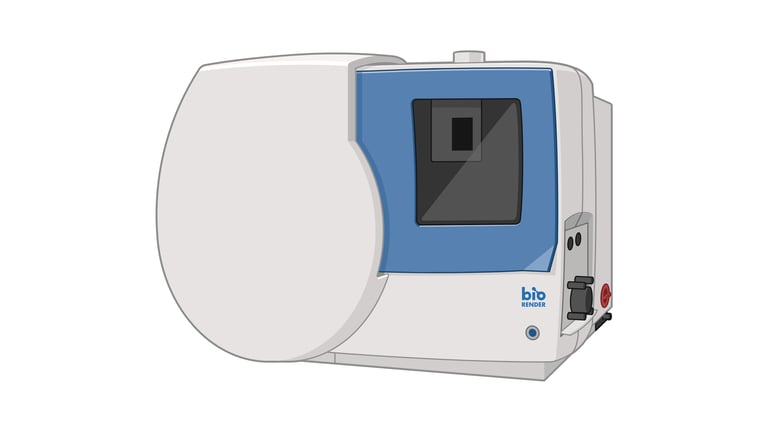
ICP-OES uses a high-temperature plasma to quantify dissolved elements in environmental samples. It captures metals and nutrients that directly shape toxicity and microbial behavior. This is where chemistry stops being abstract and becomes a driver of biology.
LECO Elemental Analysis
LECO analysis measures total carbon, nitrogen, and sulfur in environmental samples. These elements define energy availability and nutrient balance in a system. This is where background chemistry becomes the metabolic budget microbes are living on.
Enzyme-Linked Immunosorbent Assay
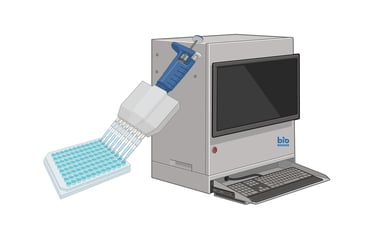
ELISA uses antibodies to detect and quantify specific proteins or toxins in complex samples. It gives us targeted answers when broad molecular approaches aren’t enough. This is how we go from “something bioactive is here” to “this is the signal doing the damage.”
Cross-Site Contamination Control
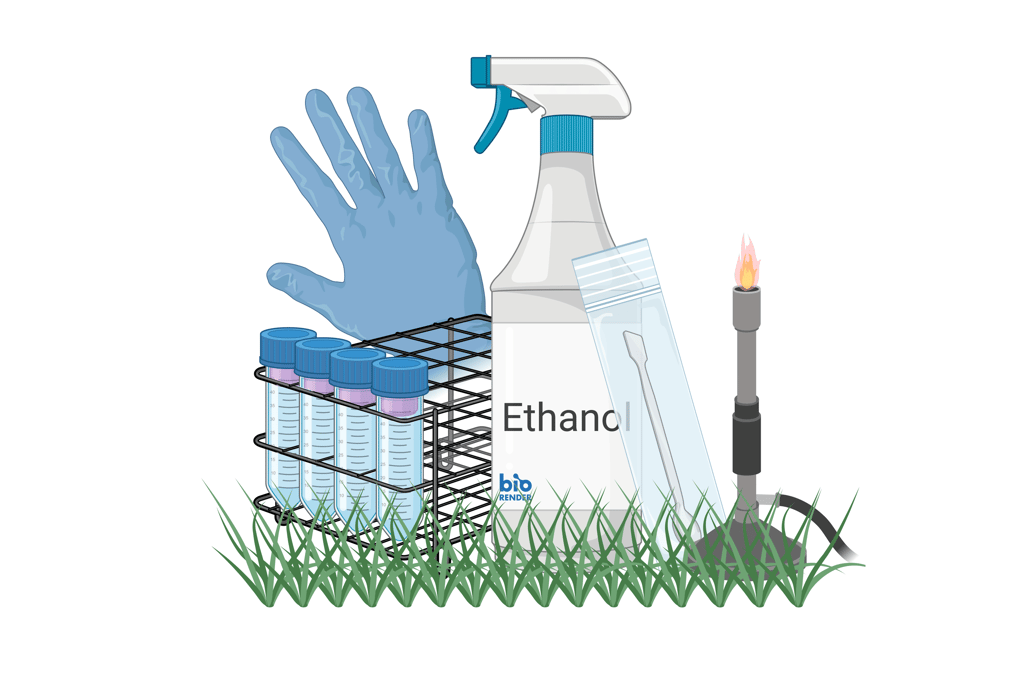
Our environments are not sterile, but our datasets still need to be. We glove up, ethanol-sanitize, swap tools and tubes between sites, and flame-thrower sterilize large equipment when needed. This is how “we sampled the cave” stays true to that cave, and not the last one we touched.