
Crystal Onyx Cave
Cave City, Kentucky, USA
Why study Crystal Onyx?
Crystal Onyx Cave, in Cave City, Kentucky, sits in the same Mississippian limestone system that built Mammoth Cave and runs as a show cave with constant human use layered directly into it. Water moves through the rock, opens passages, and drops calcite back out as flowstone, stalactites, and draperies, and the formations here carry that banded, glassy look people labeled “onyx,” which is where the name came from and why it stuck. It’s an active karst system that hasn’t stopped doing any of that, it’s just doing it under lights, along pathways, and in a space that’s being actively moved through and managed.
We’re working across the cave as it actually operates, moving through high traffic routes into off trail sections, sampling surfaces that get handled constantly and ones that don’t, areas that are regularly cleaned and areas that aren’t. Lampenflora under lights gets tracked across seasons while it grows through those conditions, all of it happening in the same system without separating into neat categories.
And this site exists in our work because someone who knows the cave saw something worth paying attention to and said so. A guide saw what we do, reached out, and flagged it, and that’s how this started. Not a formal pipeline, not a curated list, just someone paying attention inside a system they spend time in and deciding it was worth asking about. That matters, because the people in these spaces are the ones who see what gets missed, and when they call it out, we listen.
CO_01_TRS
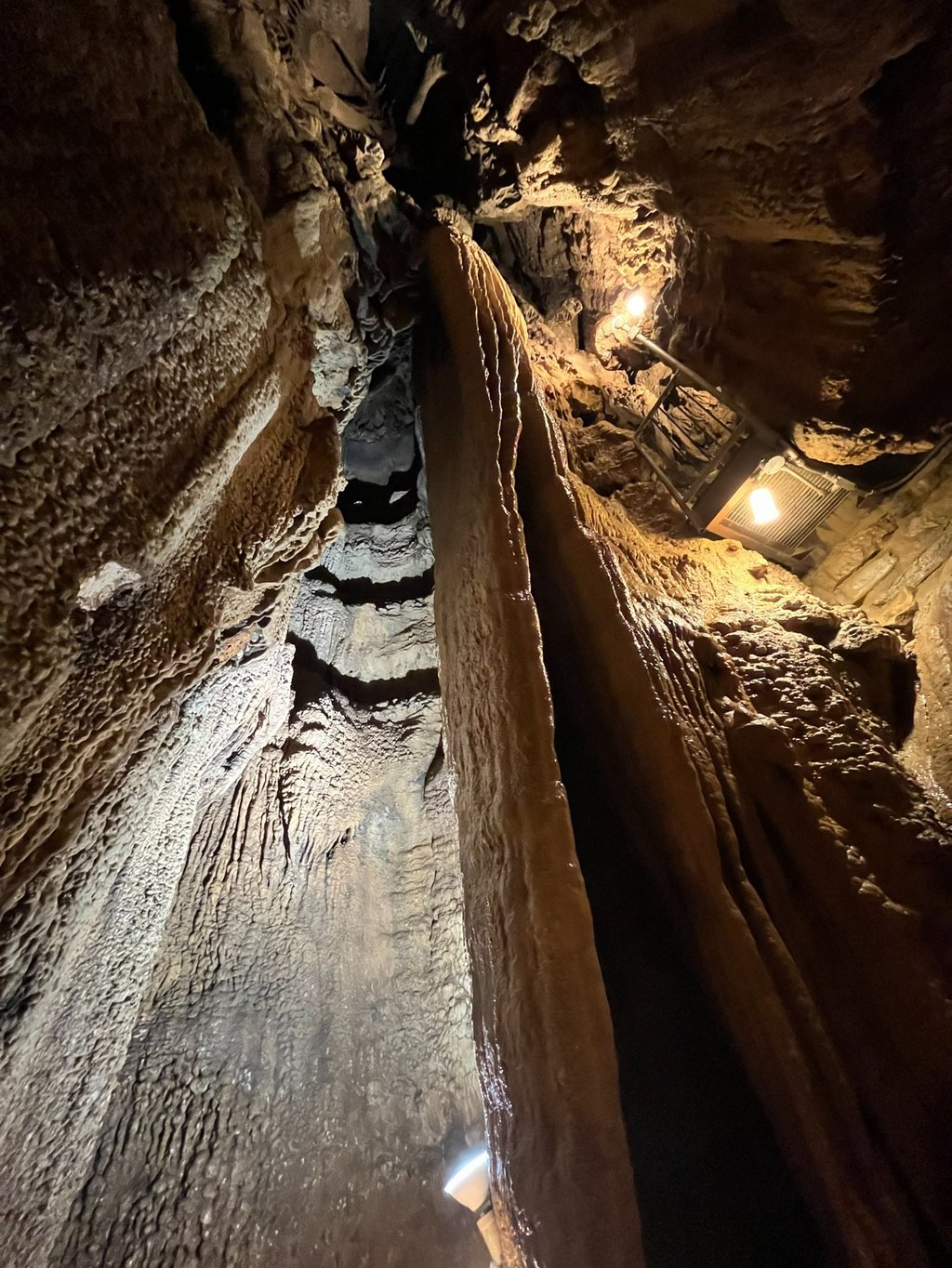
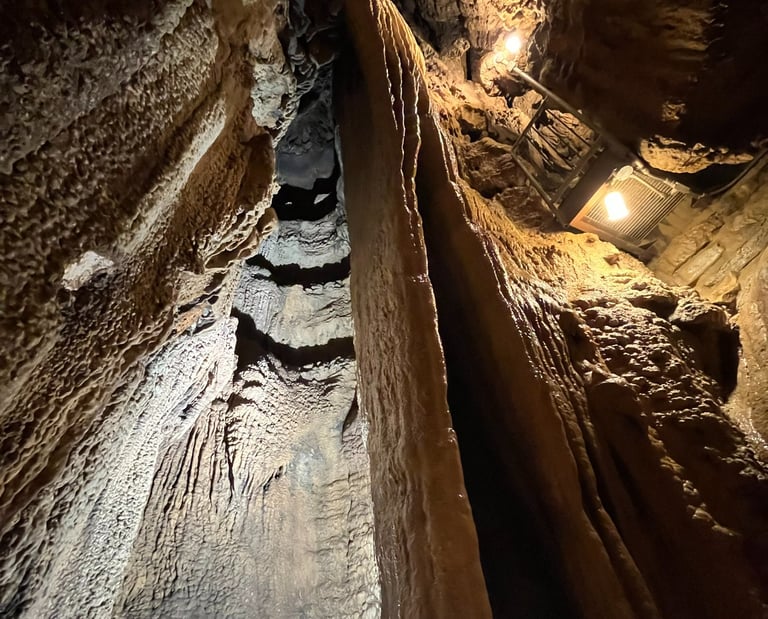
Tour Route Start
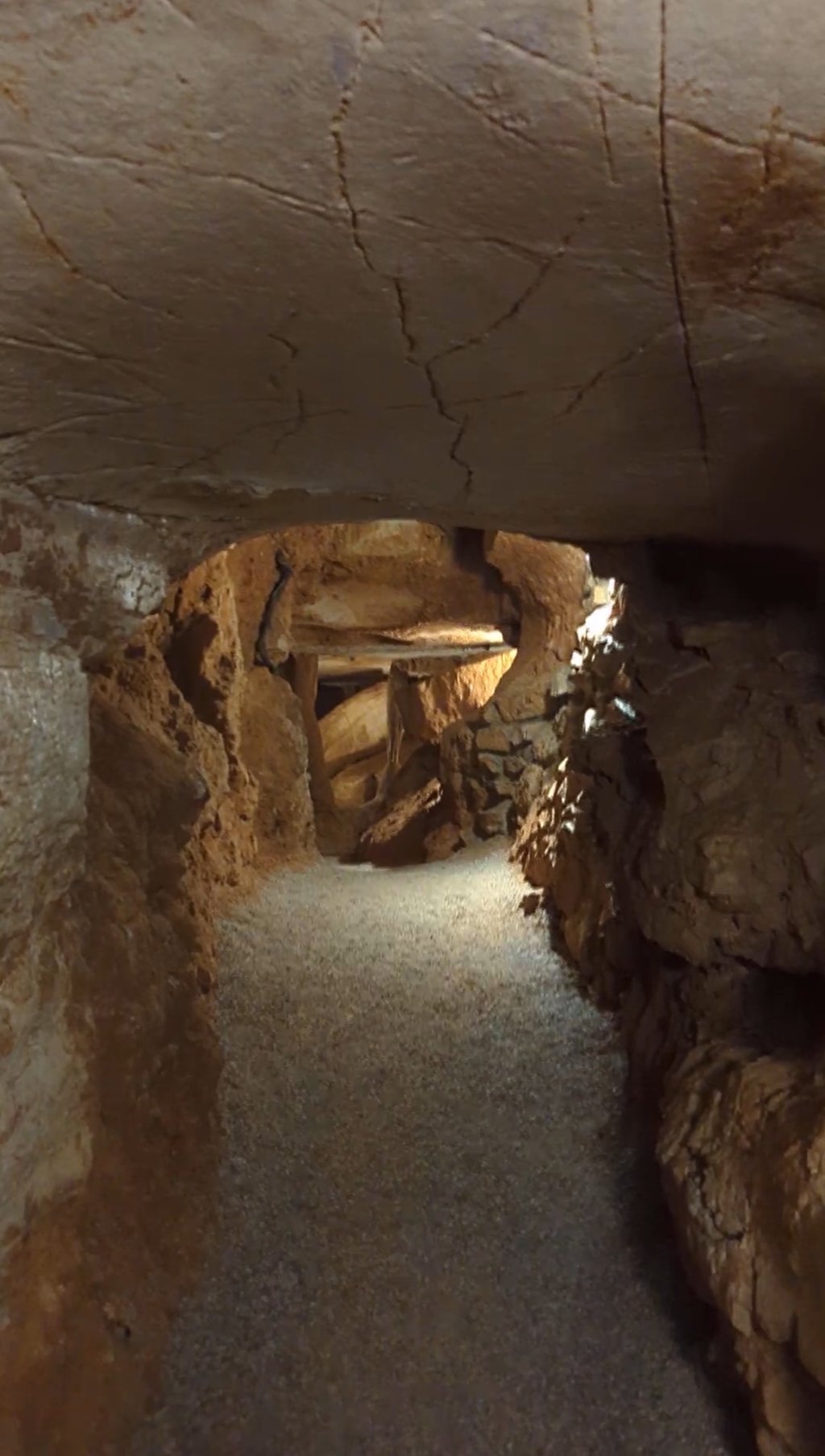
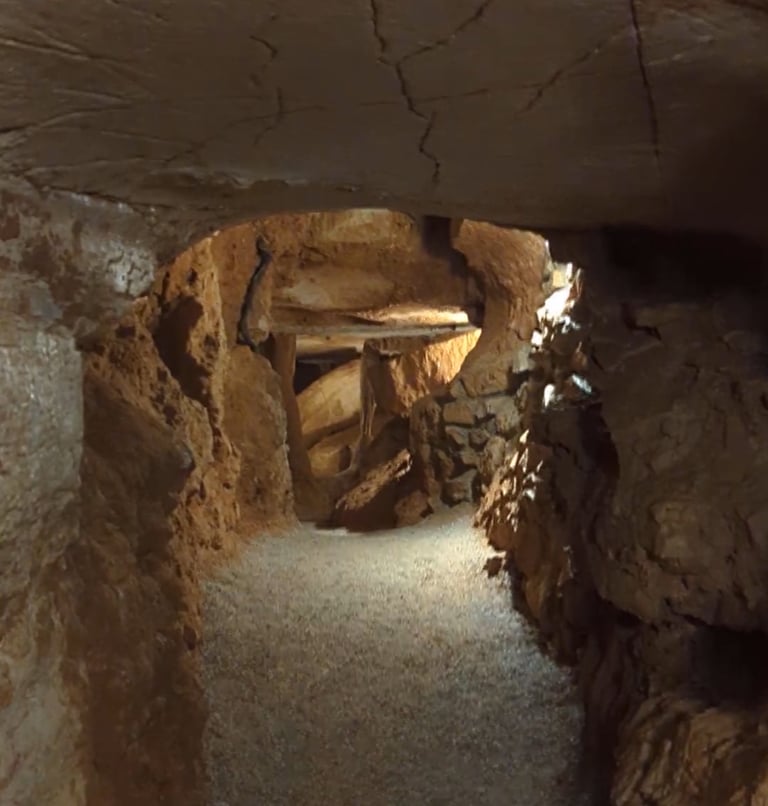
Right at the start of the tour route, this surface gets handled constantly. Hands, skin oils, whatever people bring in with them, all of it ends up here whether anyone is thinking about it or not. That makes it a solid place to look at what repeated human contact does to a cave surface over time.


CO_02_LF1
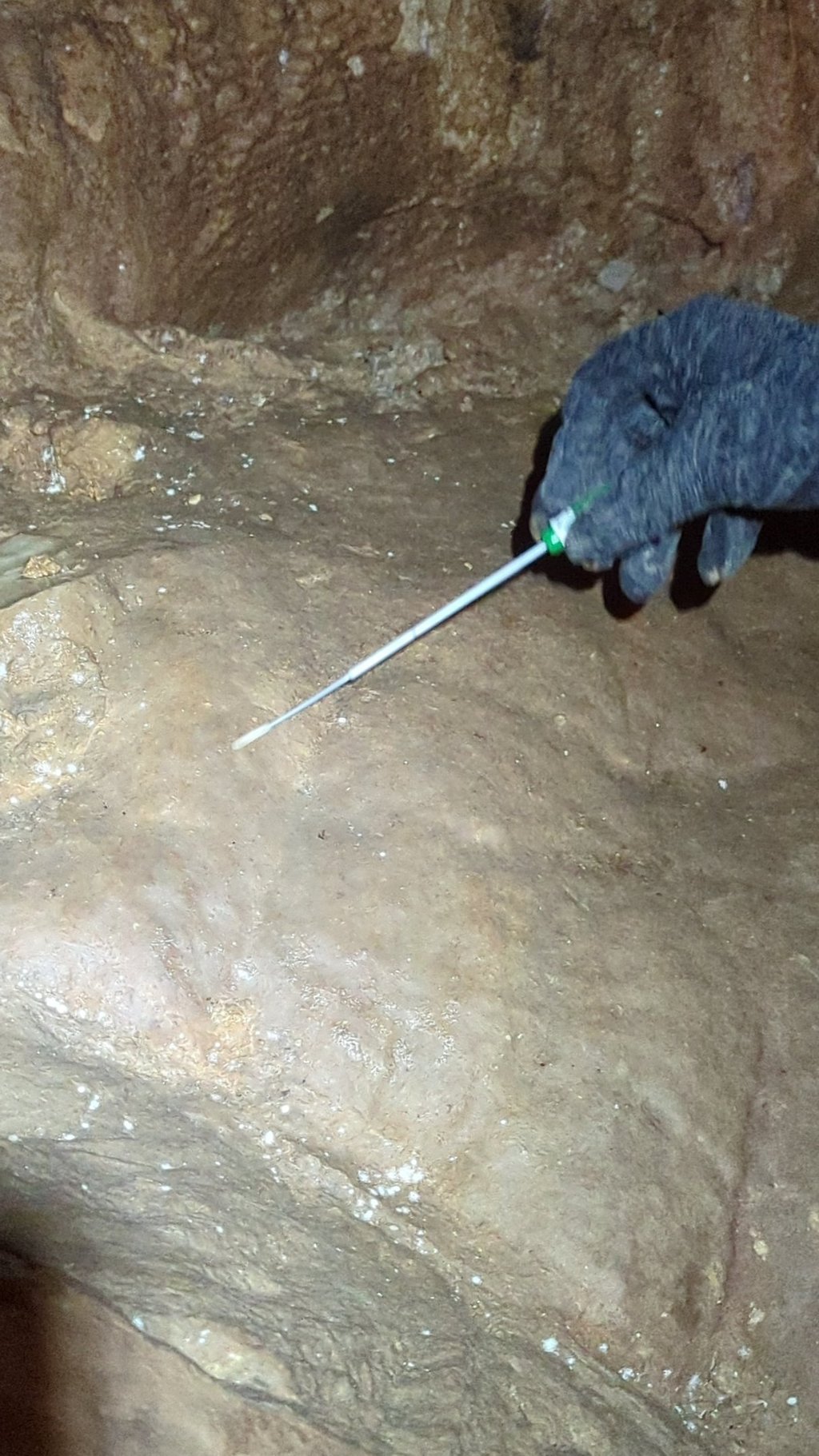
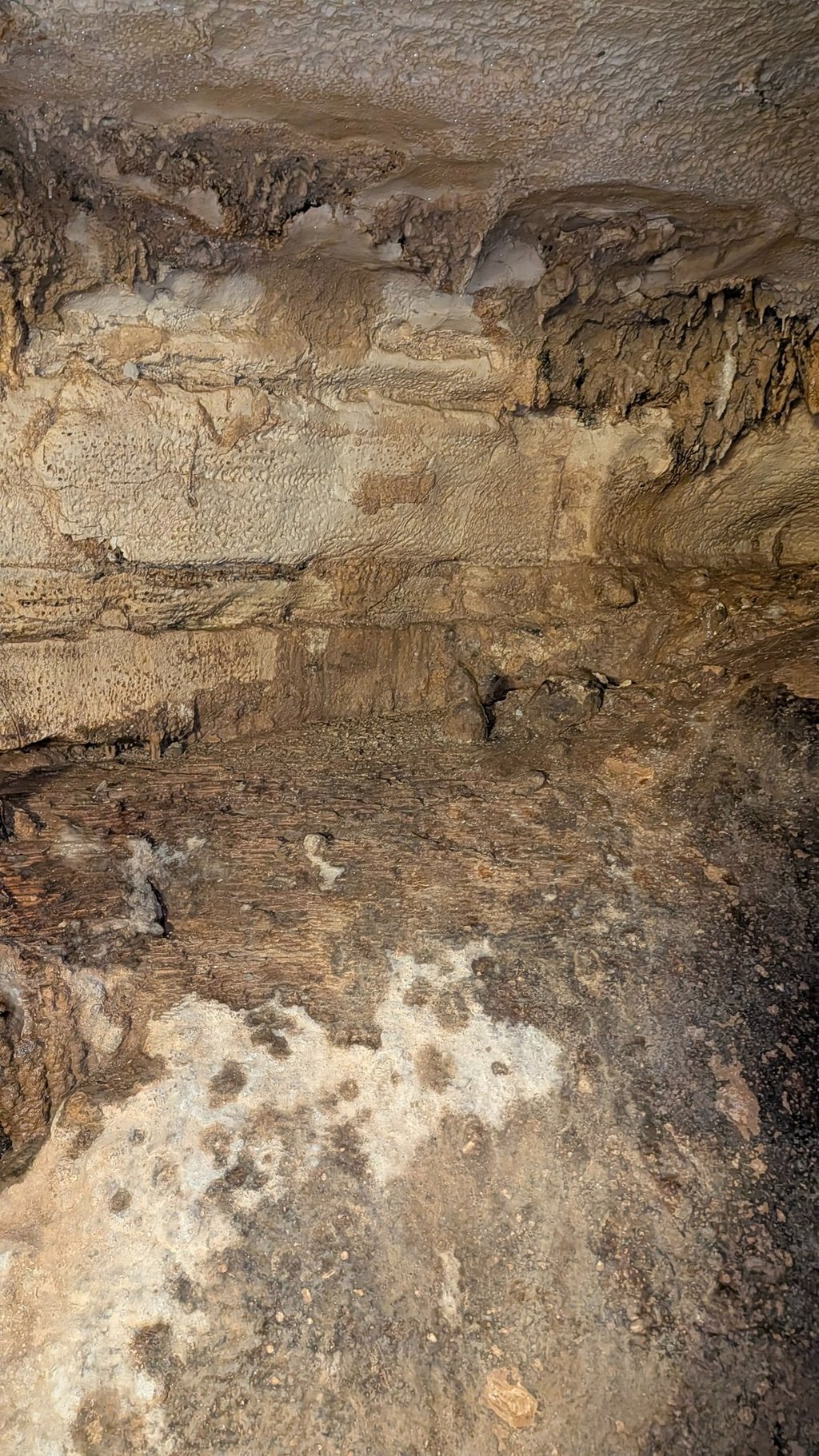
Lampenflora Site 1
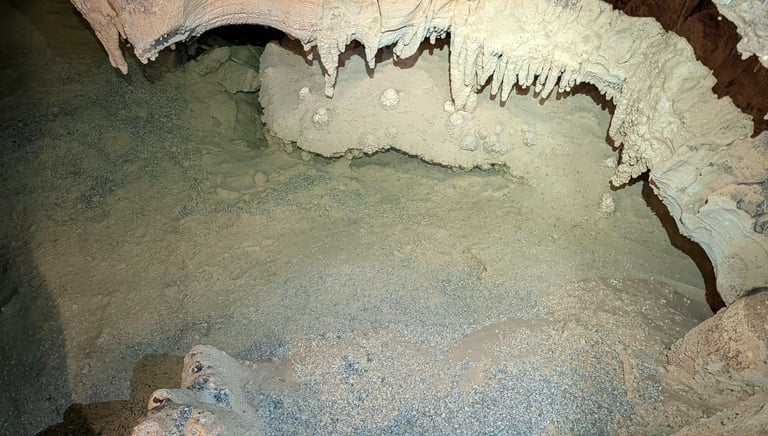
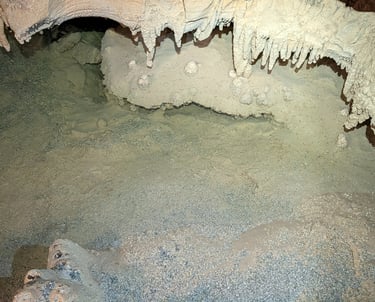
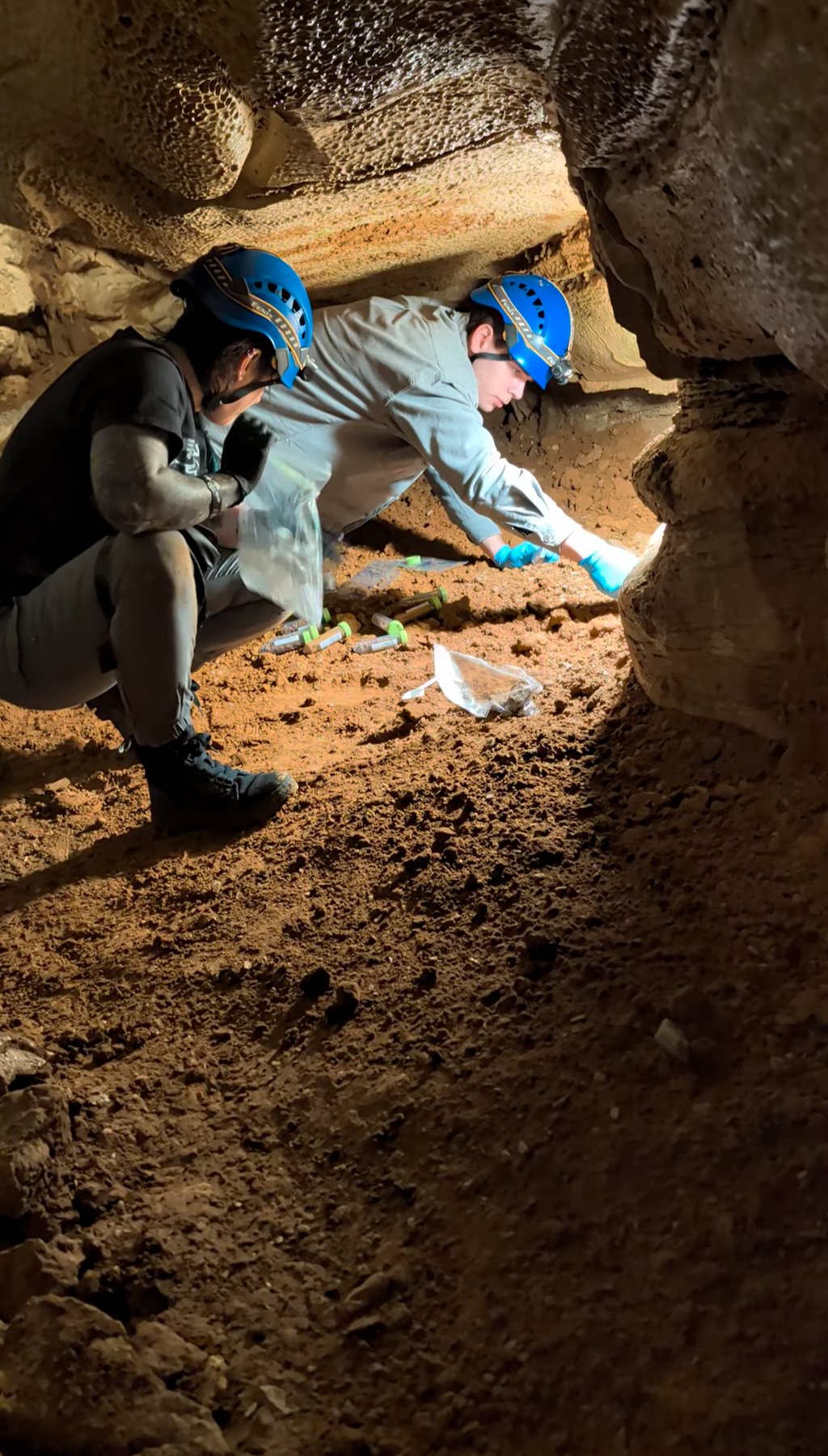
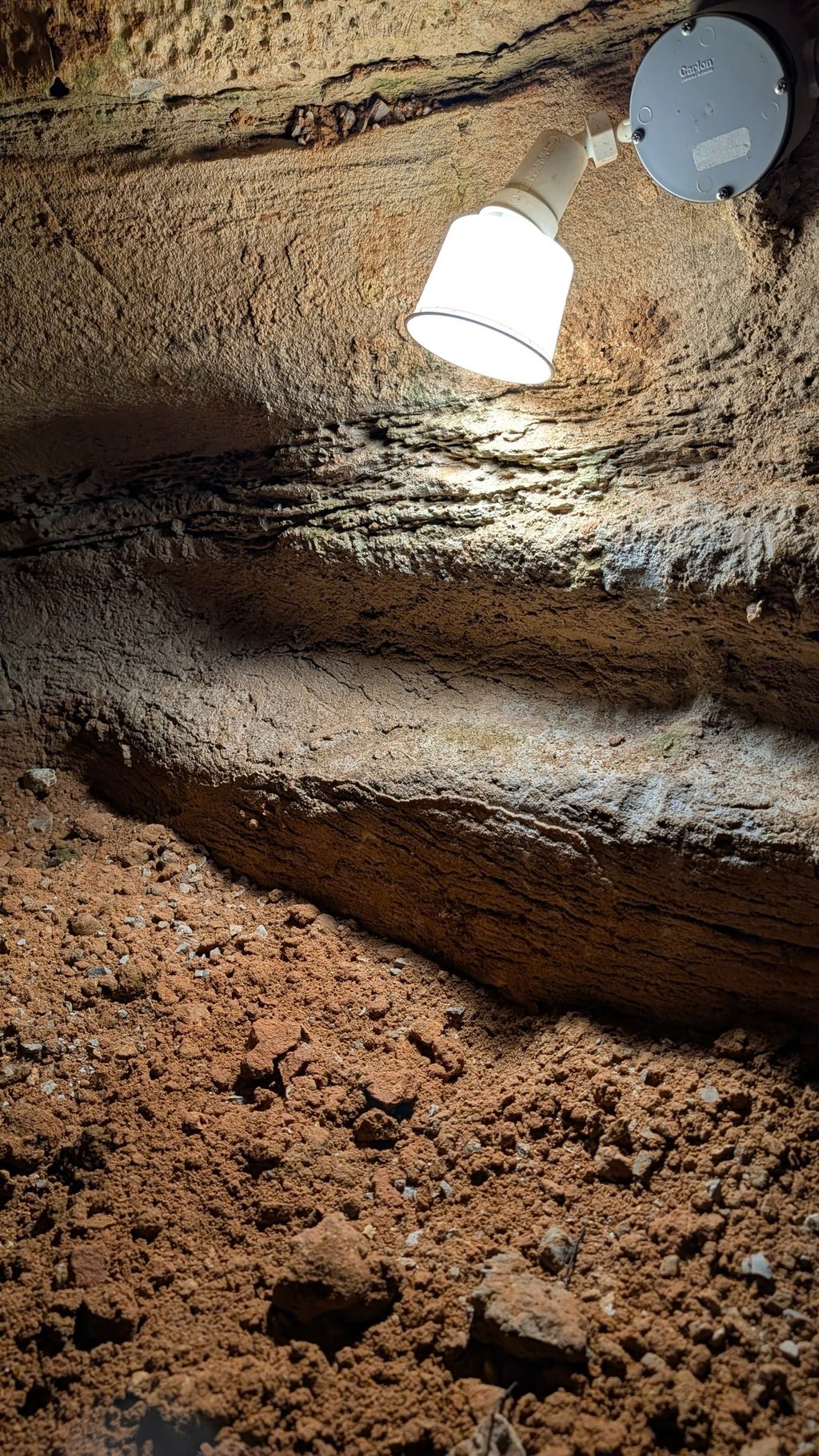
This patch of lampenflora sits just off the tour route and doesn’t look like the others we’ve sampled. Less growth, different texture, different color, enough variation to make it worth pulling apart. Same setup, different outcome, so we’re figuring out what’s driving it.


CO_03_DRSA
Dino Route Area
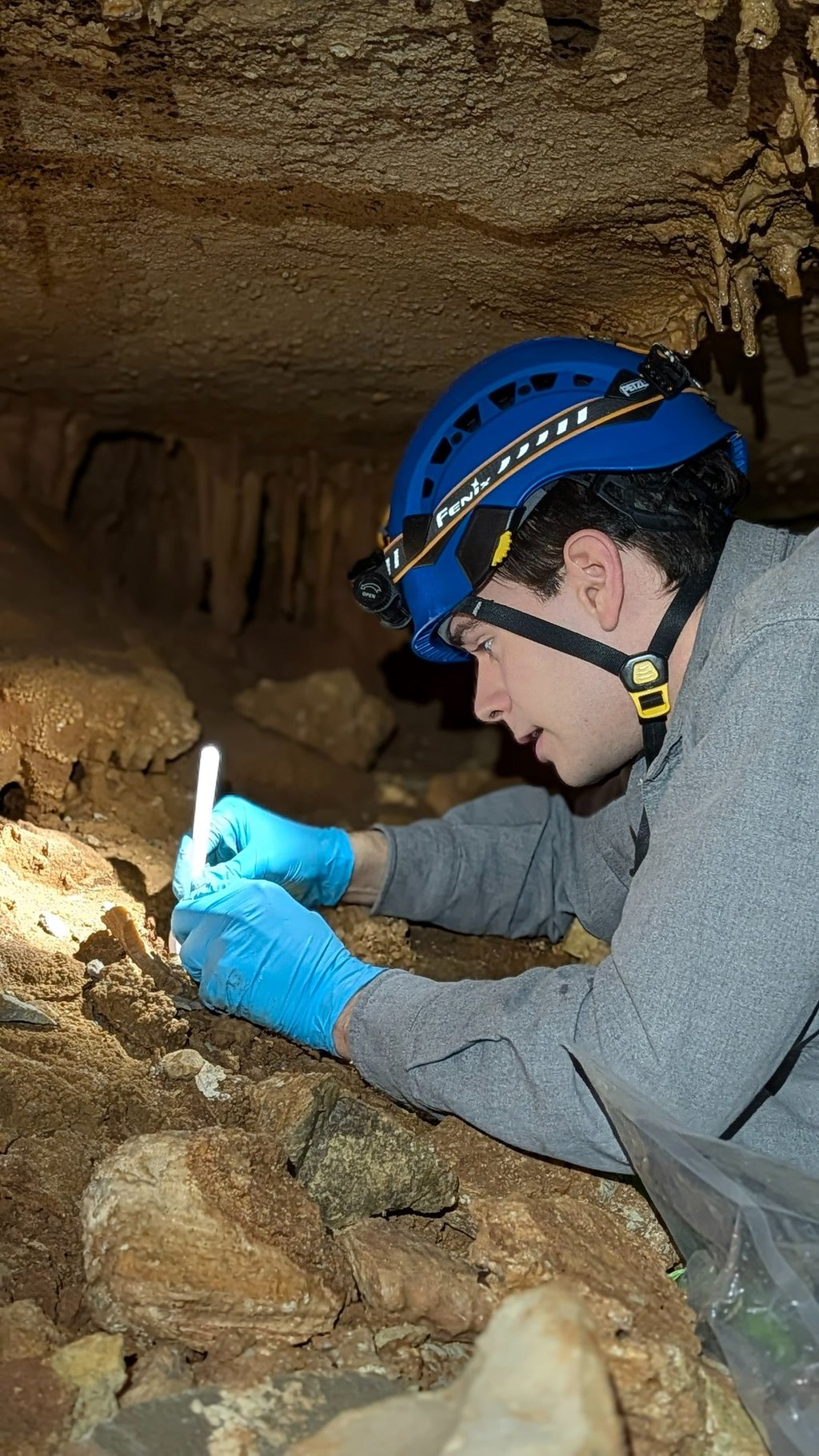
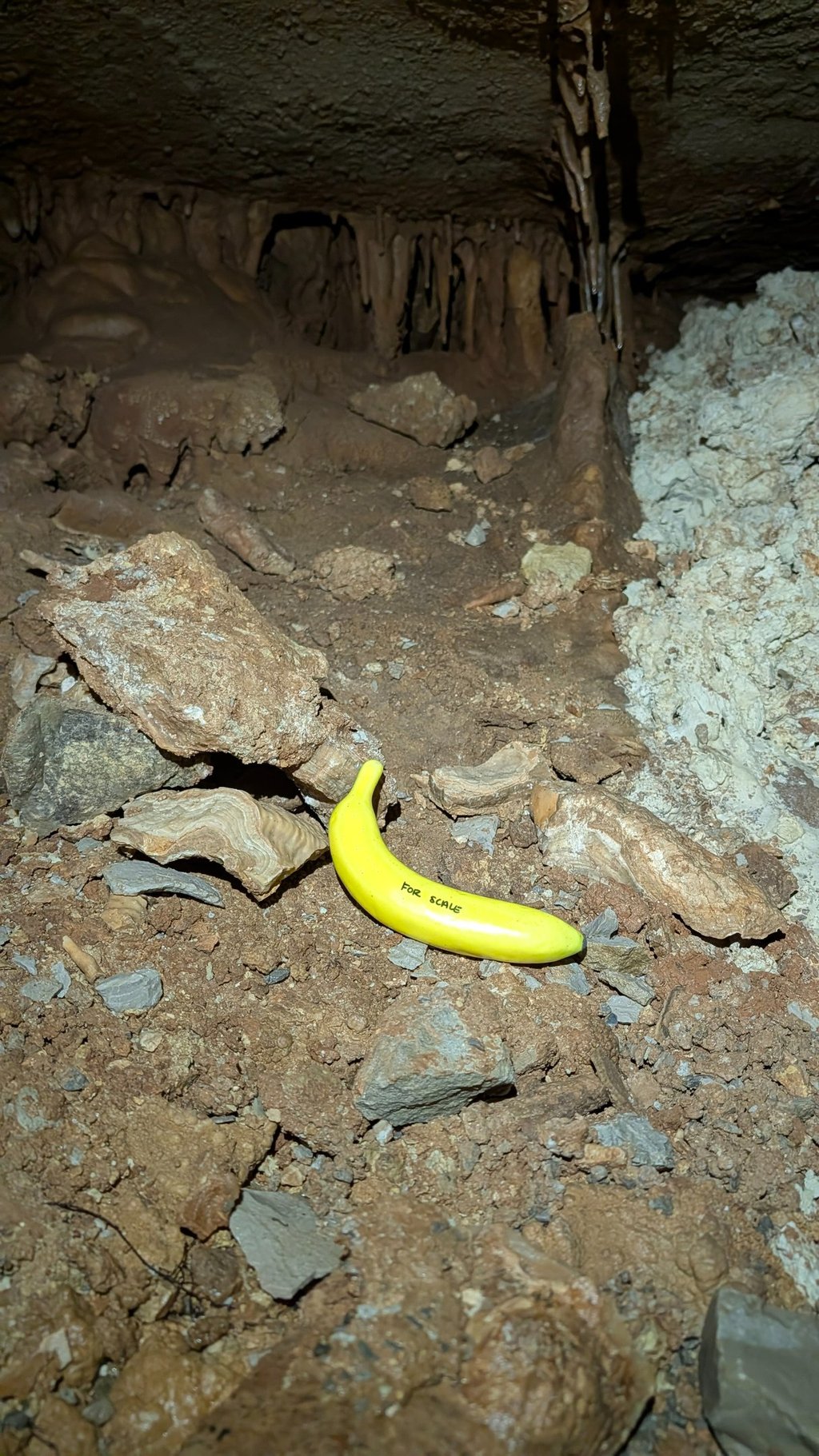
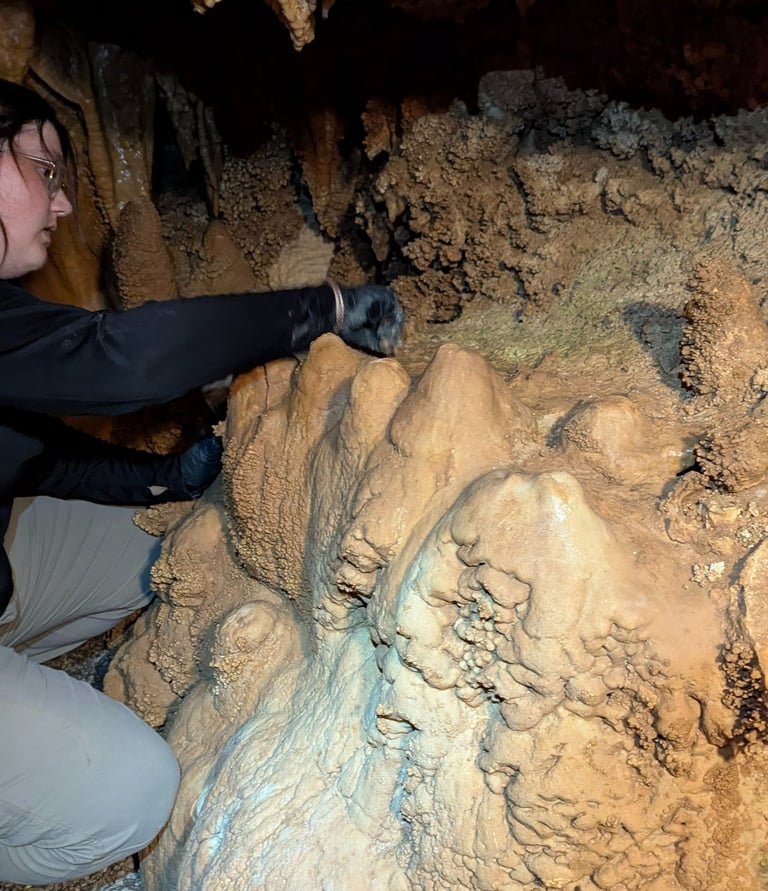
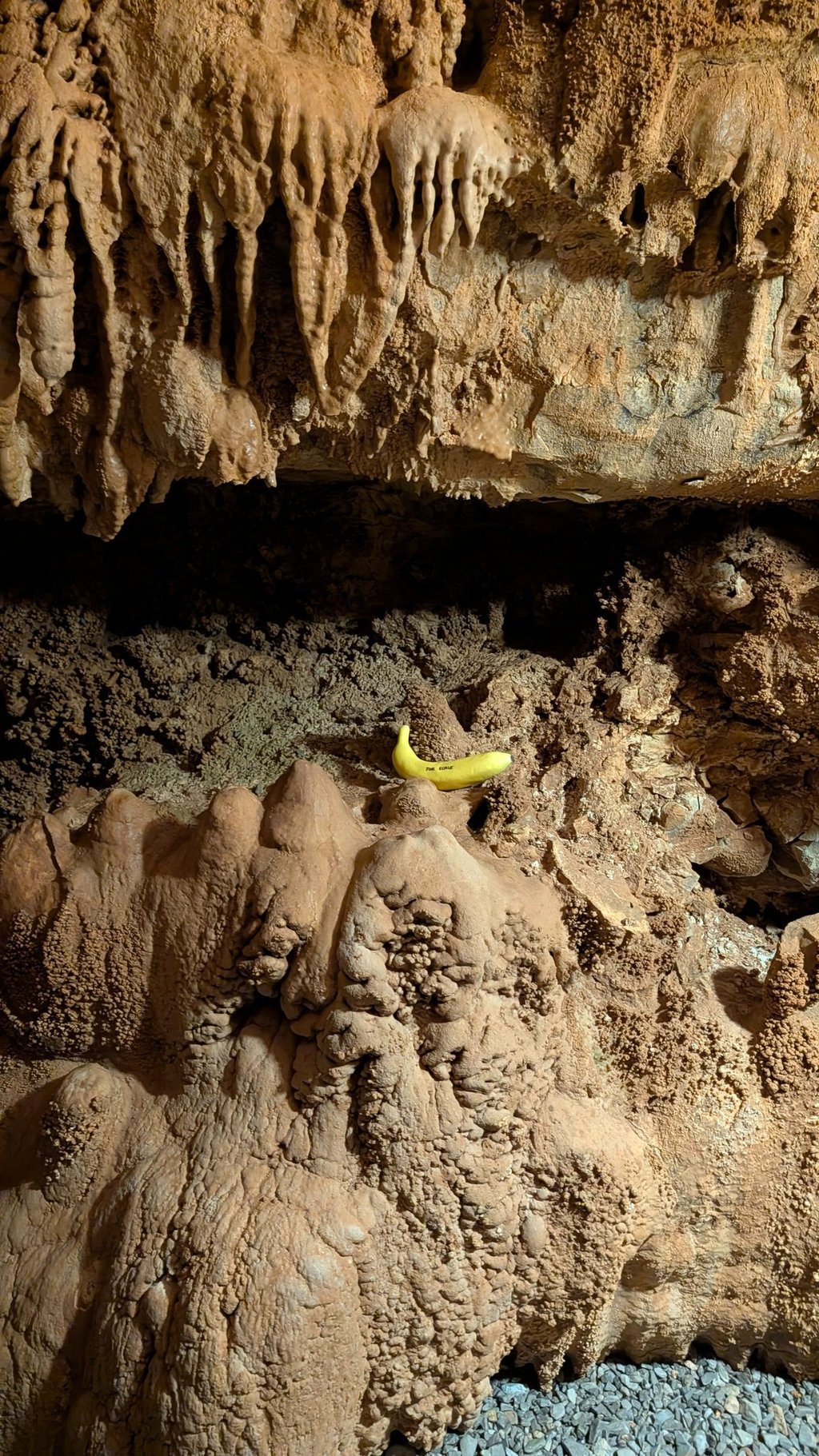
This is a restricted study area, the kind of place you don’t just wander into, and it may be guarded by a dinosaur. The formations here are weird in the best way, including a fallen speleothem with mineral growth that reads as beef calcite or gypsum and we’re still waiting to see which one wins. Access is limited to cave managers, guides, and the occasional archaeologist or paleontologist, so the human contact here is deliberate instead of constant.


CO_04_ETR
End Tour Route
This one sits at the end of the tour route, still on path, still getting handled, just further along the system. It closes out the on trail set, giving us beginning, middle, and end under the same conditions with different levels of exposure.


CO_05_CBSA
Crystal Basement Area
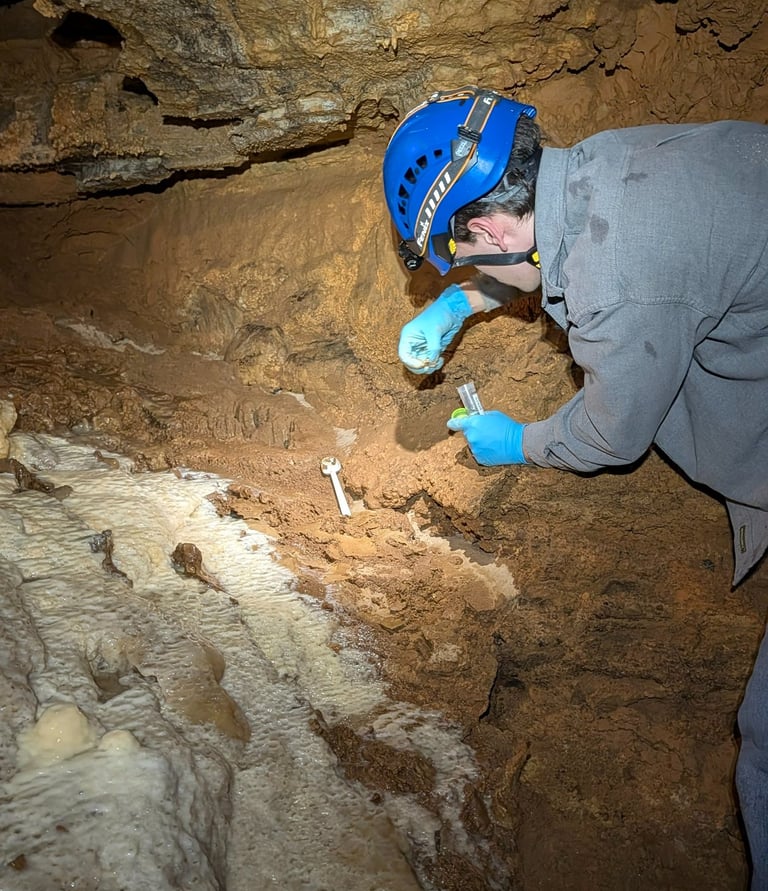
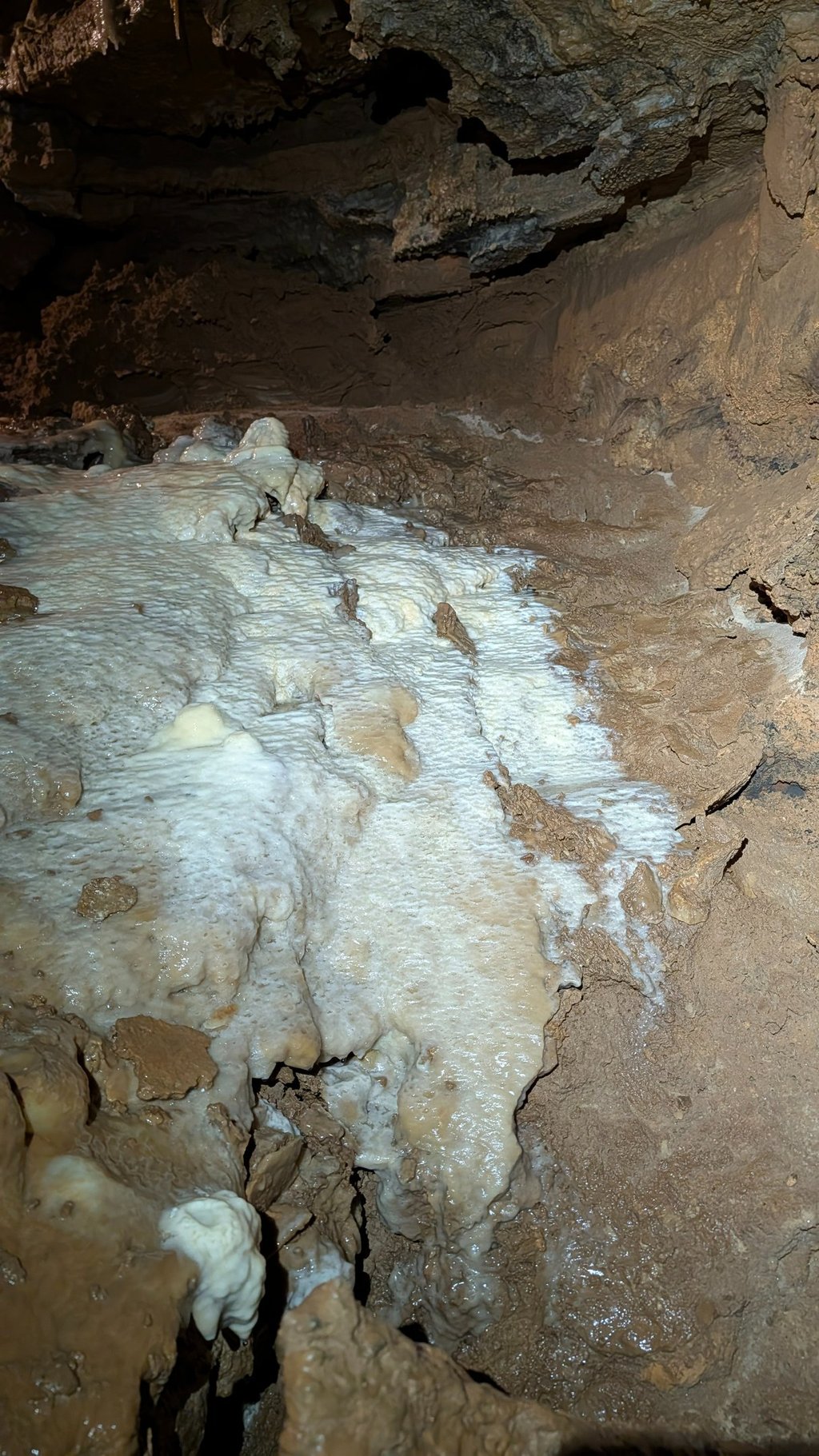
Another restricted area, this one down in the basement where the cave leans into the whole “crystal onyx” brand with sparkling mineral deposits everywhere. The air felt different down here, harder to breathe, and just under the top sediment there was a layer of black material that did not bother to explain itself. That combination made it an easy call for sampling.


CO_06_BDW
Basement Dripping Water
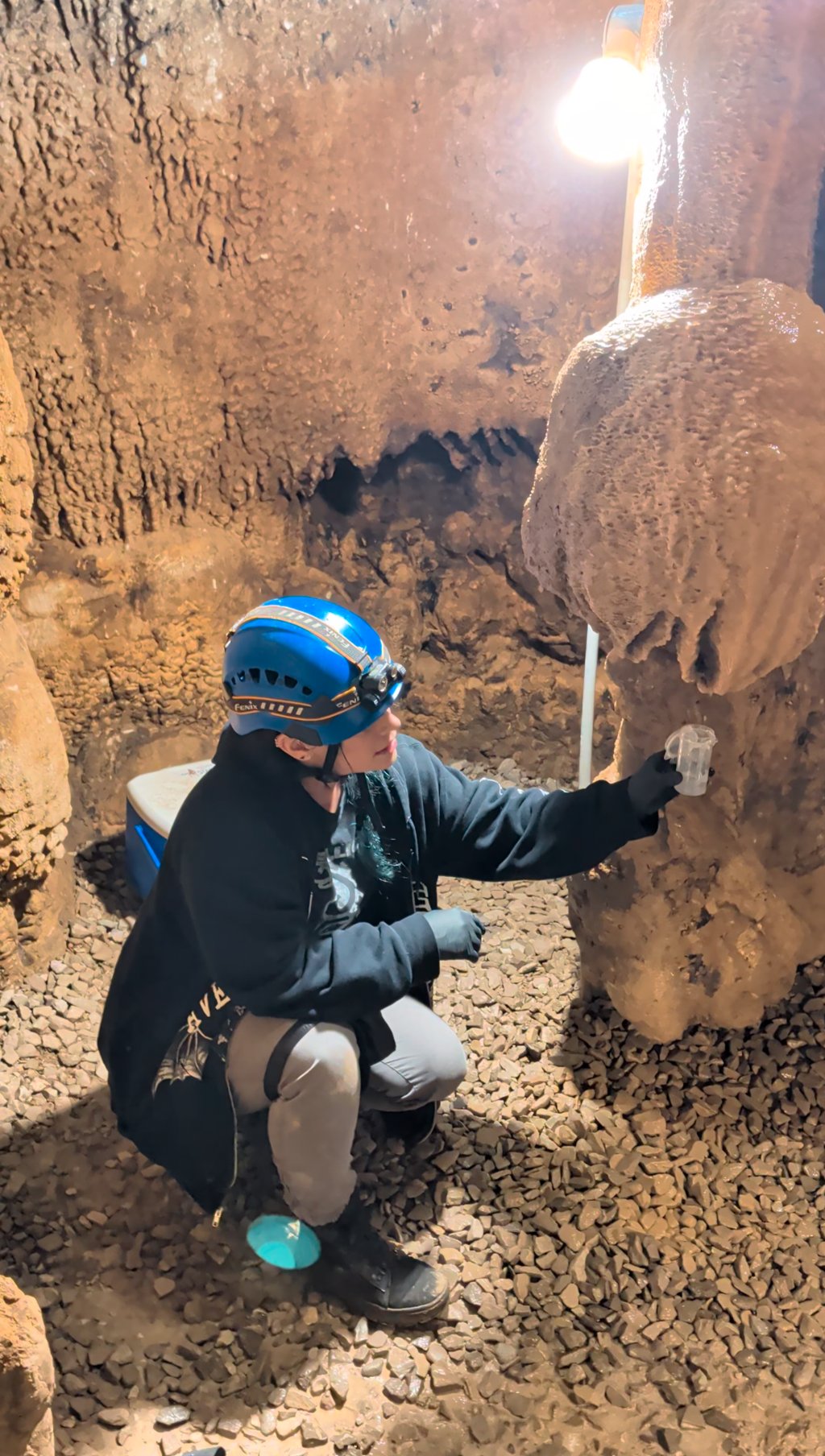
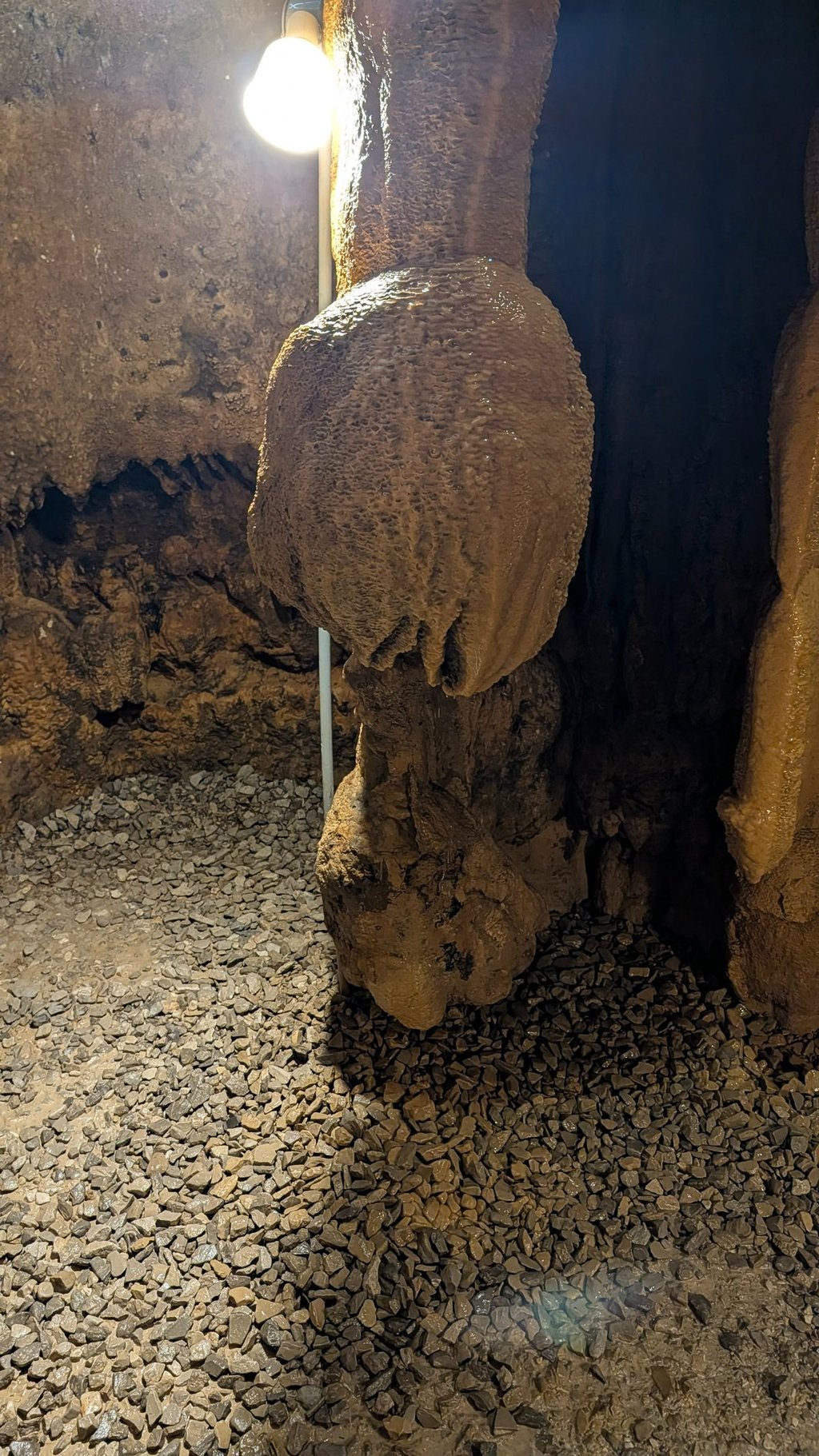
In the basement study area, speleothems are actively dripping water from above, so we set collection containers under them and let the cave do its thing. Those samples give us a read on what’s moving through the system in that water, from dissolved ions to whatever else is coming along for the ride.


CO_07_CM01
Cave Marshmallow 1
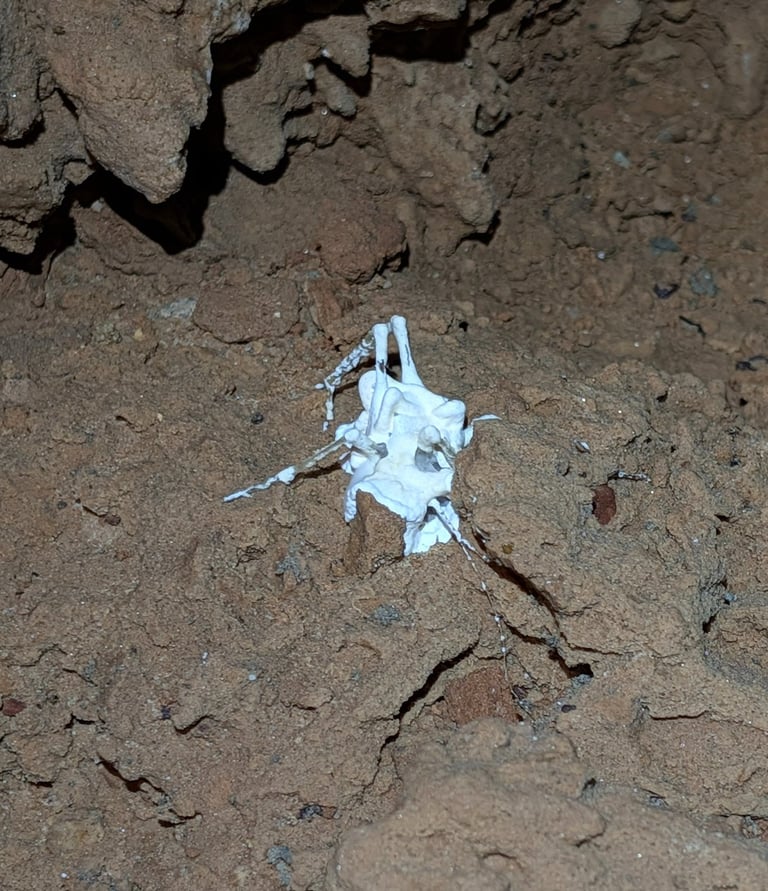
Cave marshmallow showed up, which is exactly what it sounds like, a white fungal growth taking over a cave cricket until it looks like it got dipped in fluff. You see it in caves, but you pay attention to how much and where. This one was enough to grab, because anything running that kind of takeover is doing something worth looking at.



Who Made This Possible
Access and Site Partners
Crystal Onyx Cave
Rhonda Huff, Cave Guide
Sarah and Scott Sendtko, Cave Owners
This work is not a single step and it is not a single person. It starts with people who make access possible, continues with those willing to get into the field and collect the samples, and runs all the way through the lab, the analysis, and the work required to turn raw material into something that holds up.
By the time you are looking at data, figures, or publications, it has already moved through a chain of people who showed up and did the work at every stage. We do not take that for granted. Thank you.
Washburn CHAOS Lab Members
Dr. Rachel Washburn, Director, Washburn CHAOS Lab
Dr. Alex Washburn, Geochemist, CONAN Division, KGS
Aydin Khosrowshahi, Student, University of Kentucky
Field Sampling
Aydin Khosrowshahi, Student, University of Kentucky
Madison High, Geologist I, KGS
Dr. Rachel Washburn, Director, Washburn CHAOS Lab
Sample Analyses Collaborators
Jason Backus, Laboratory Manager, KGS
Andrea Conner, Laboratory Analyst, KGS
Funding and Sponsorship
University of Kentucky OVPR Postdoctoral Research Fellowship
KGS Enrichment Fund
Photography, Videography, and Imaging
Rhonda Huff, Cave Guide, Crystal Onyx Cave
Aydin Khosrowshahi, Student, University of Kentucky
Dr. Rachel Washburn, Director, Washburn CHAOS Lab
Get in touch
If you have questions about this system, start there. If you want to get involved, use these data as a starting point, get access to raw datasets, collaborate, have us collect samples, or come in and run your own study, this is where that happens. This work is open to people who are actually going to do something with it. The form is below.
Washburn CHAOS Lab
Science is metal. Science is feral. Science is CHAOS.
director@washburnchaoslab.com
#washburnchaoslab
© 2025. All rights reserved.
complex host-abiotic systems
@washburnchaoslab
Feral scientists exploring hostile systems, unstable environments, and the chemistry shaping what survives there.
#feralscience