Hidden River Cave
Horse Cave, Kentucky, USA
Why study Hidden River?
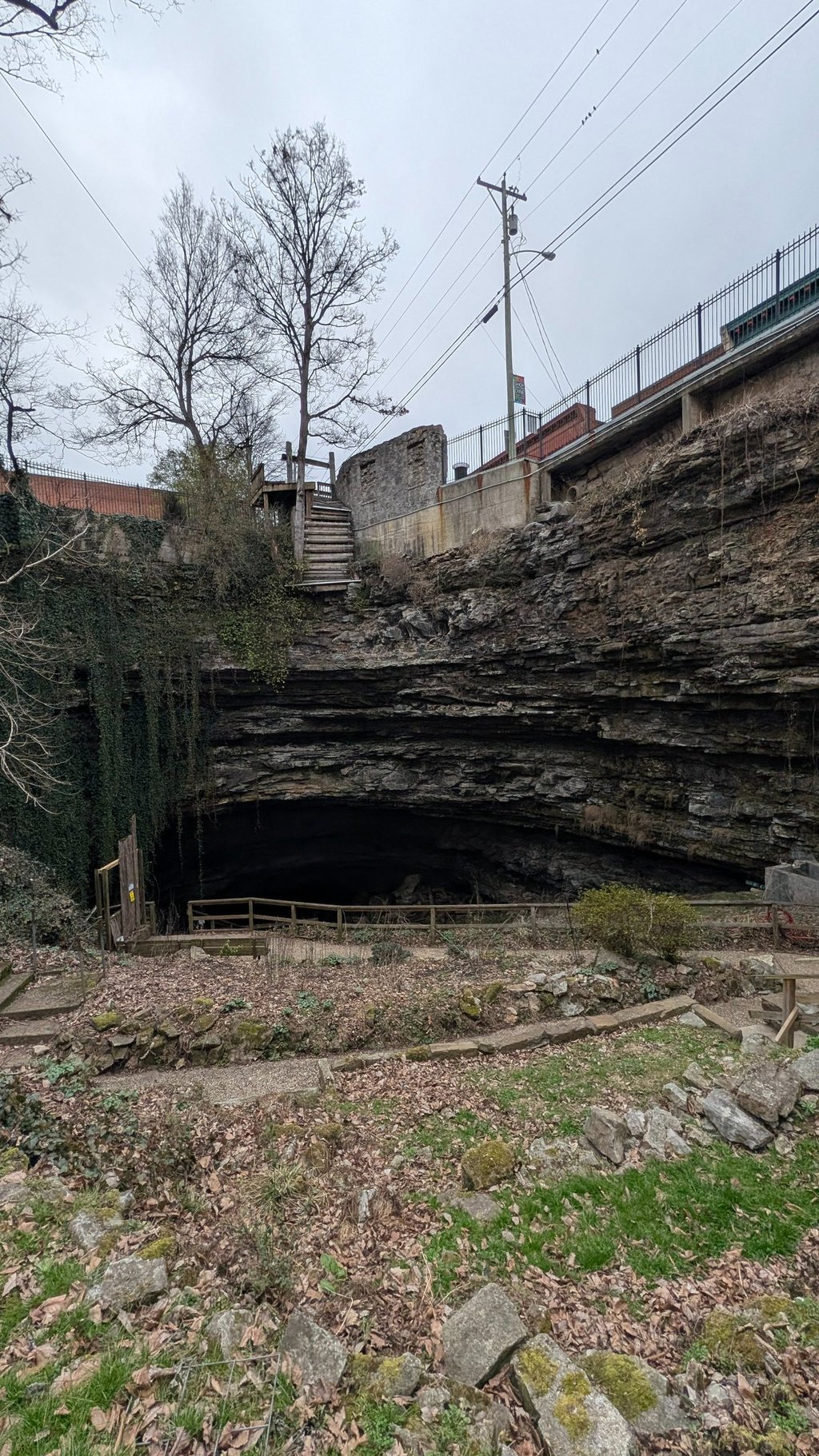
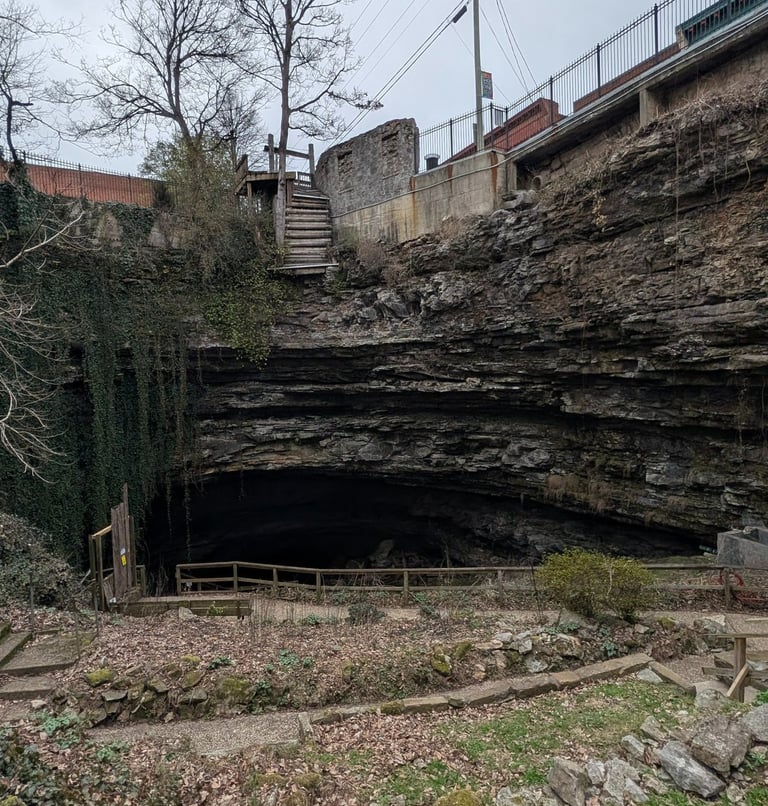
Hidden River Cave is one of our flagship research locations because it refuses to fit neatly into a single category. It's part show cave, part wild cave, deeply connected to the surface through an active karst system, and carries a history of severe pollution followed by one of Kentucky's most impressive environmental recovery stories. In other words, it's exactly the kind of real-world system we like to interrogate.
This is not a clean system. It has been hit, managed, opened, recovered, and it is still adjusting. The system is not subtle. It is written into the water, the sediment, and the microbial communities whether you go looking for it or not. You do not get one version of Hidden River. You get multiple. Show cave passages under lights and foot traffic. Wild sections with none of that. Same cave, different conditions, different outcomes. That contrast is the point.
And we do not get access to systems like this by accident. The Hidden River team and the American Cave Conservation Association do not treat science as something extra or optional. They make room for it and they back it. They understand what it means to study a system while it is still changing. That matters. That kind of access is not standard, and it is a big part of why this site keeps producing work that holds up outside of a controlled environment.
HR_01_THLf
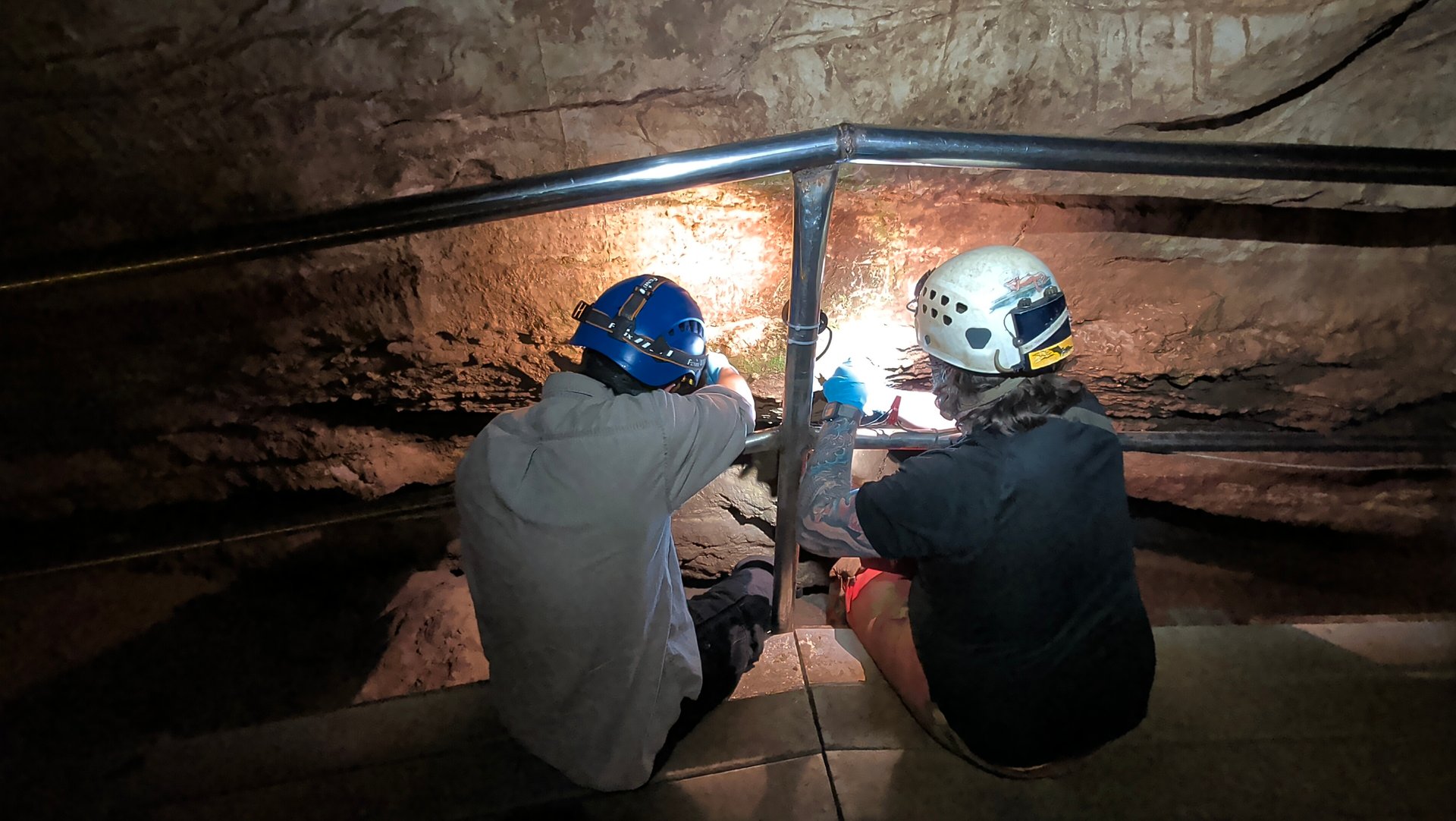
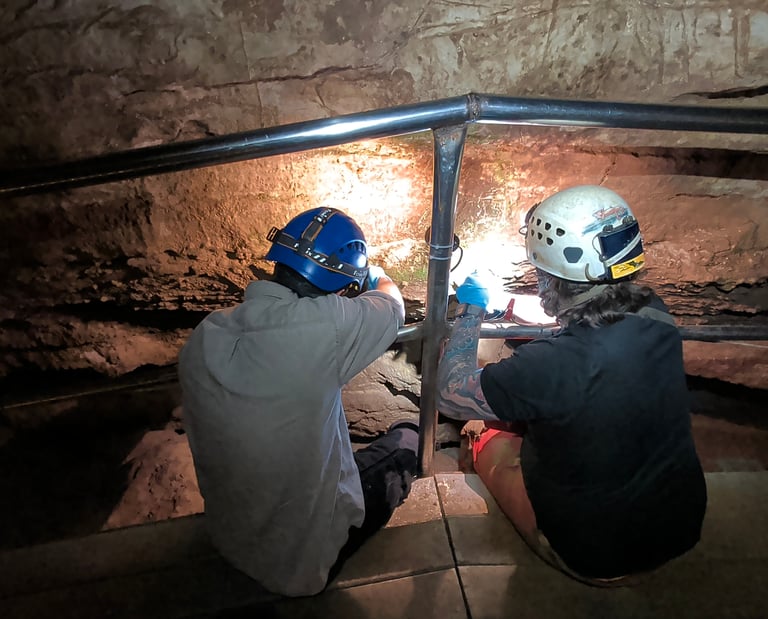
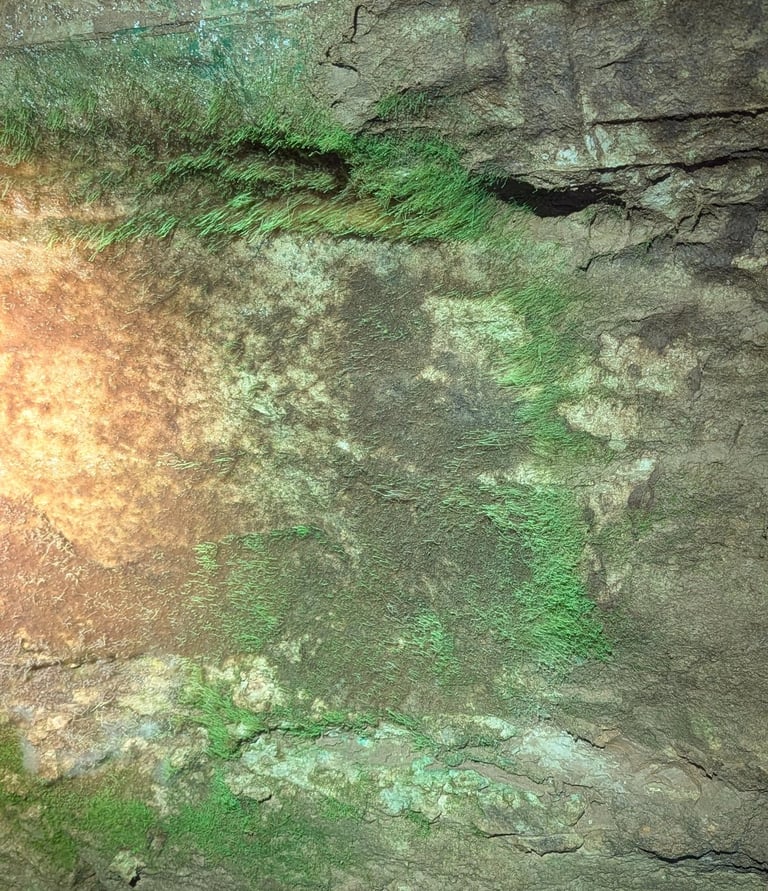
Thomas Hall Lampenflora
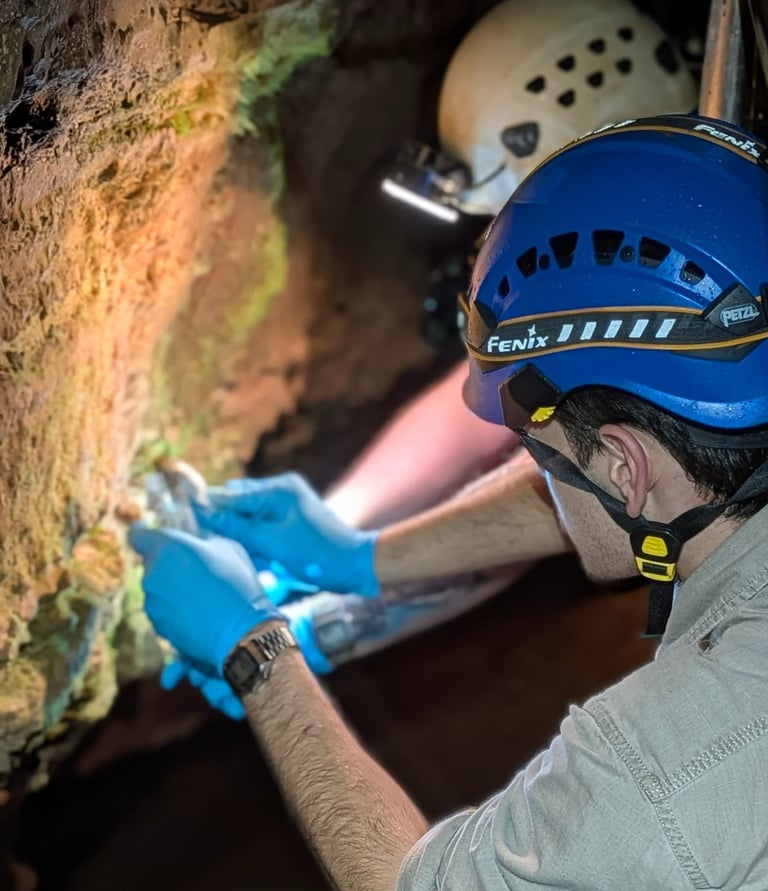
This is lampenflora. Light from the show route at Thomas Hall is selecting for photosynthetic organisms in a cave that is supposed to be dark. It is not subtle and it is not supposed to be there. We sampled it to see exactly who took advantage of that light and what they are doing with it.


HR_02_SD
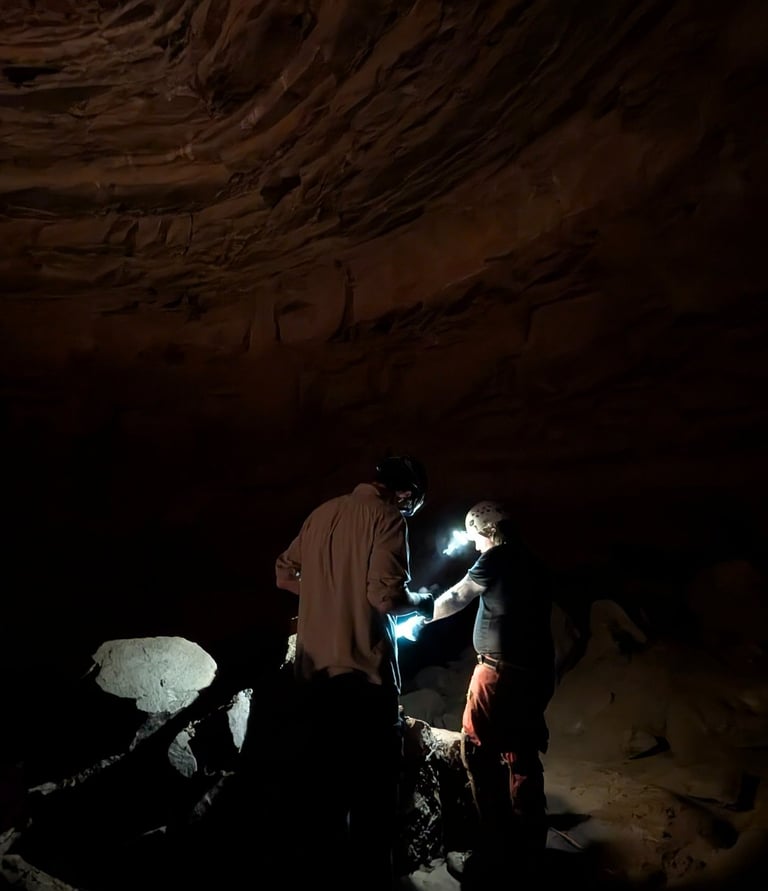
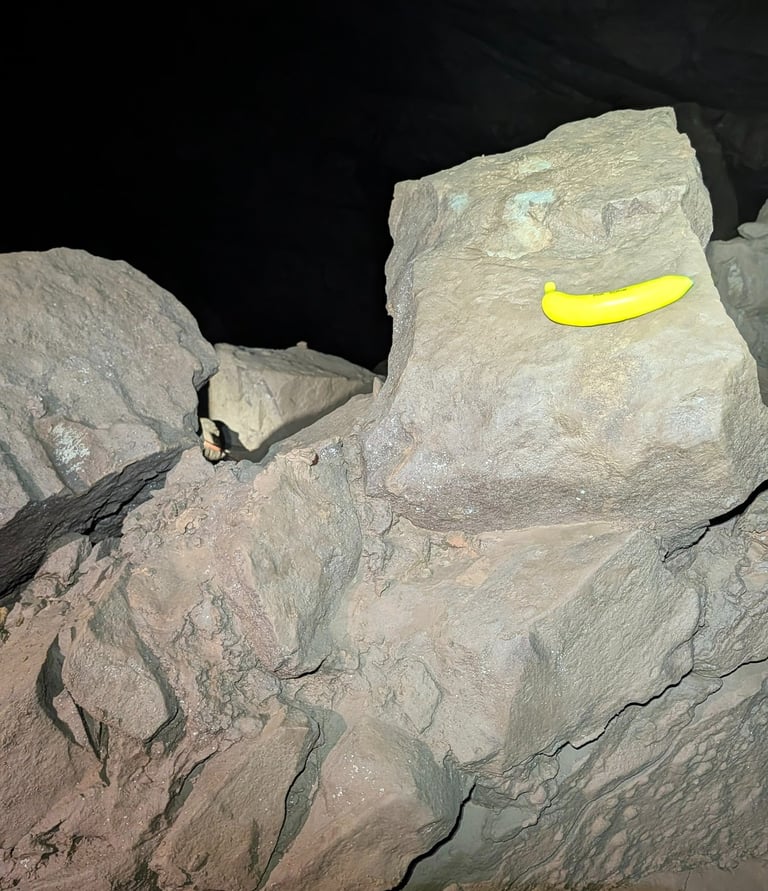
Sunset Dome
Massive, dramatic, and absolutely covered in life if you look closely. We climbed down into the mud because the pretty view is not the only data. We've seen life returning here, like armored harvestmen, cave beetles, even a frog. This is a hotspot.


HR_03_ED
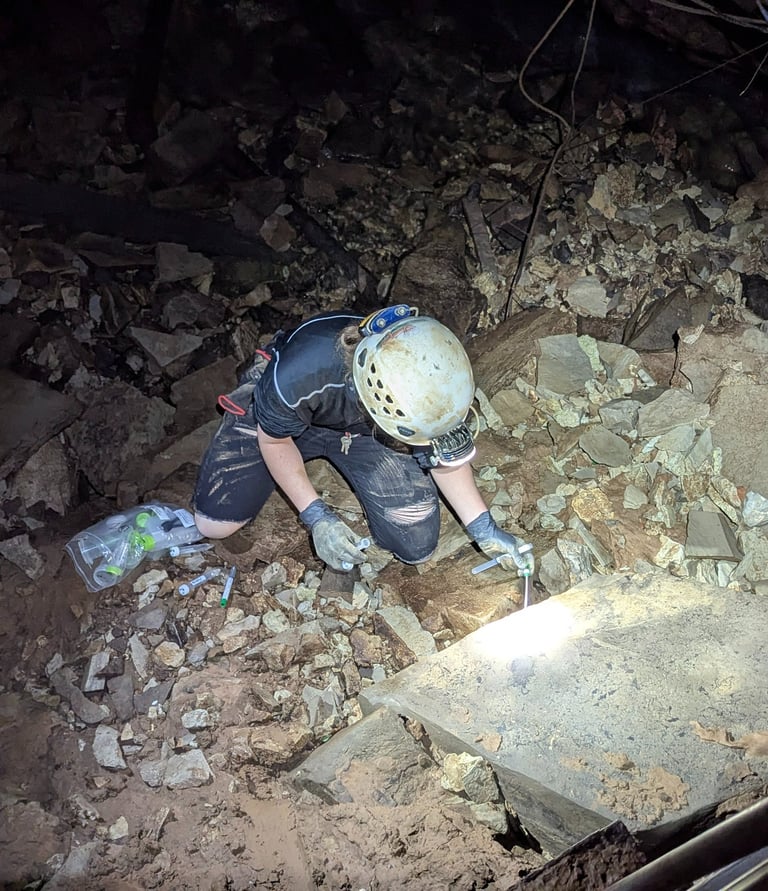
Entrance Dam
Two streams meet right as you enter the cave and that mixing zone matters. Surface influence meets cave conditions here, so we sampled where that collision actually happens.

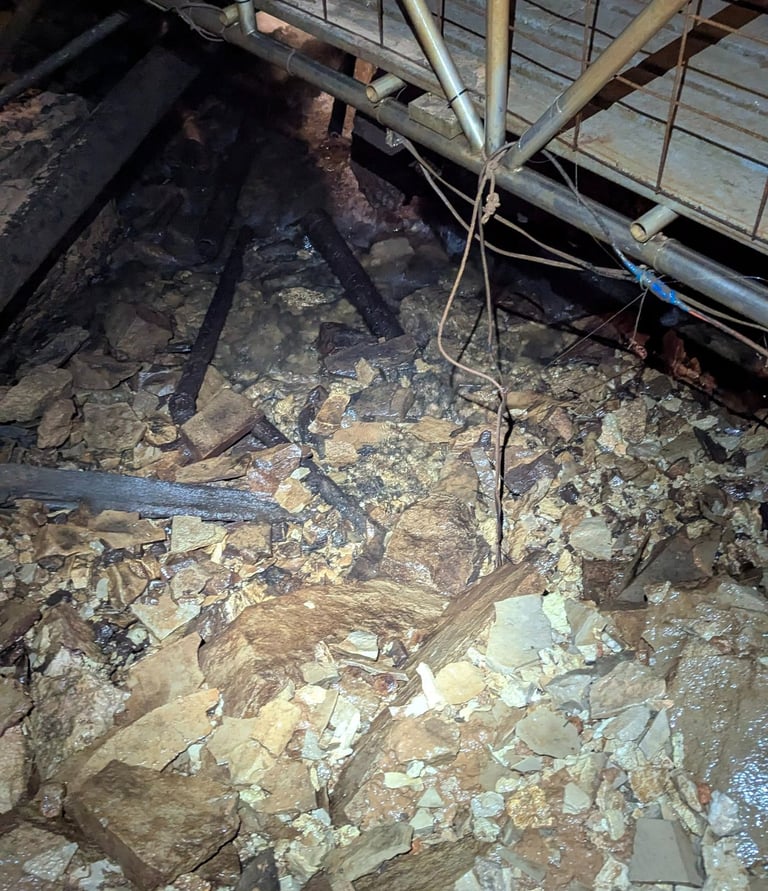

HR_04_CCS
Cave City Springs
Water comes up from below and feeds the main stream. Blind fish and cave crawfish are already telling you this is a different system. We sampled to see what is driving it at the microbial level.
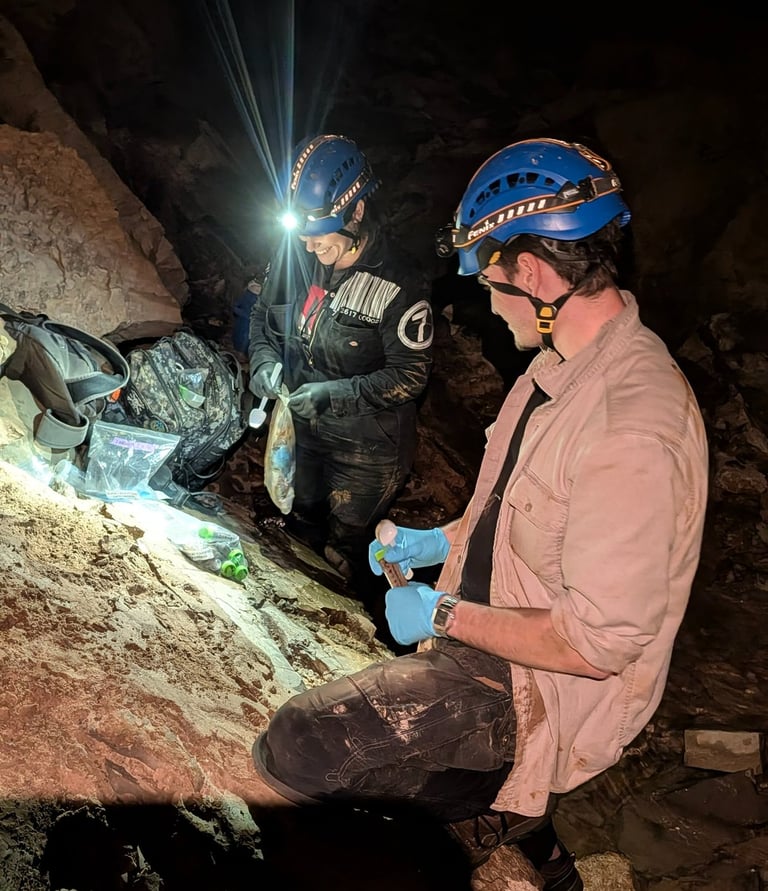

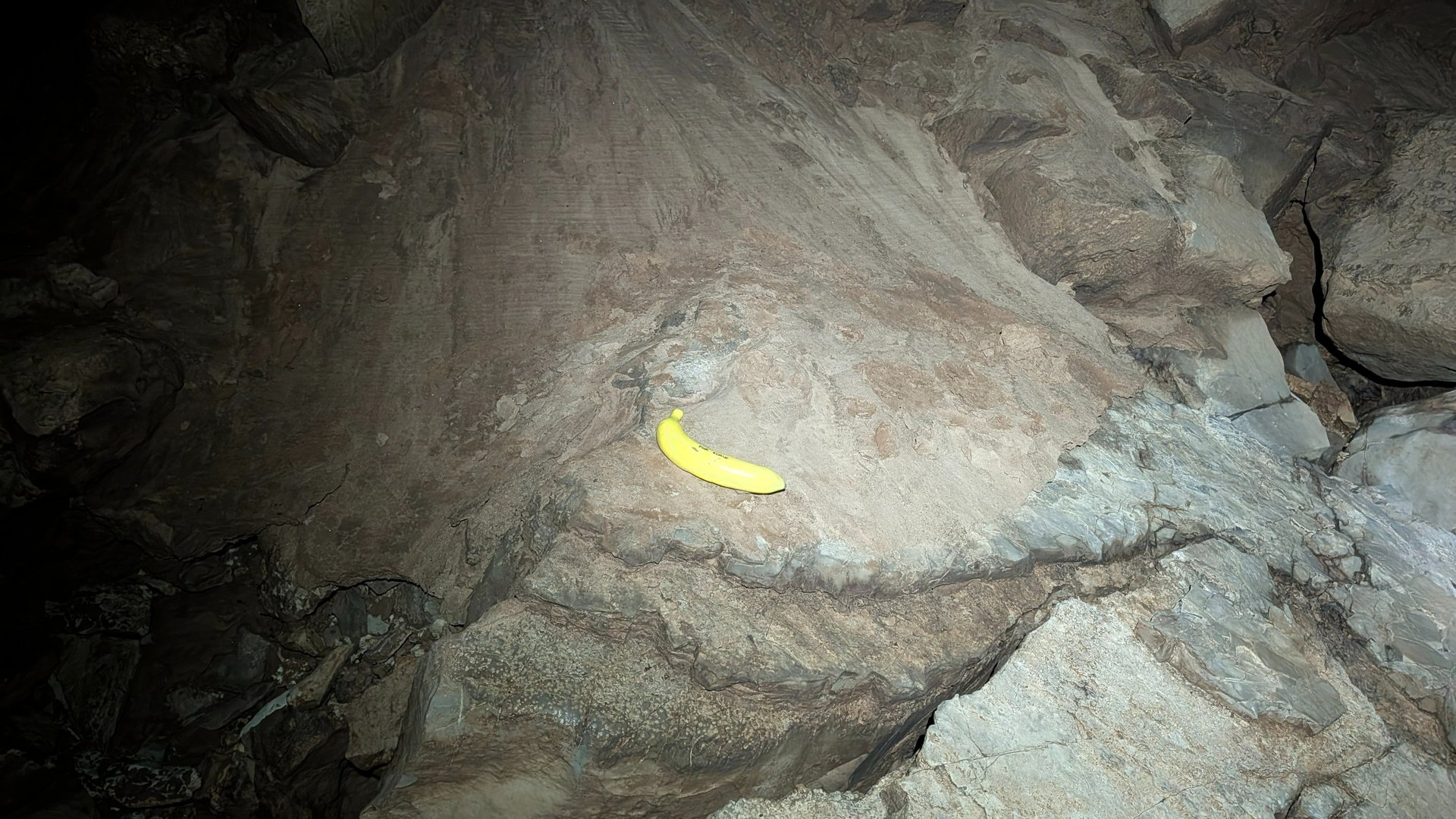

HR_05_BCS
Breakdown Canyon Springs
Water bubbling up through breakdown, already dye traced back to storm drains. This is direct surface impact underground. We sampled to see how that signal carries into the cave.
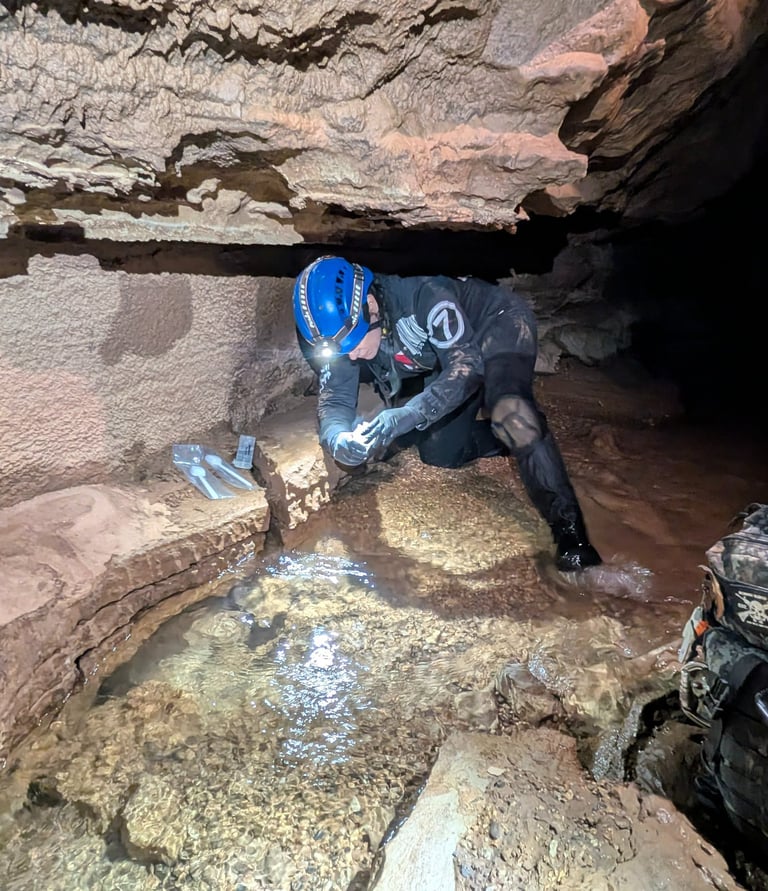

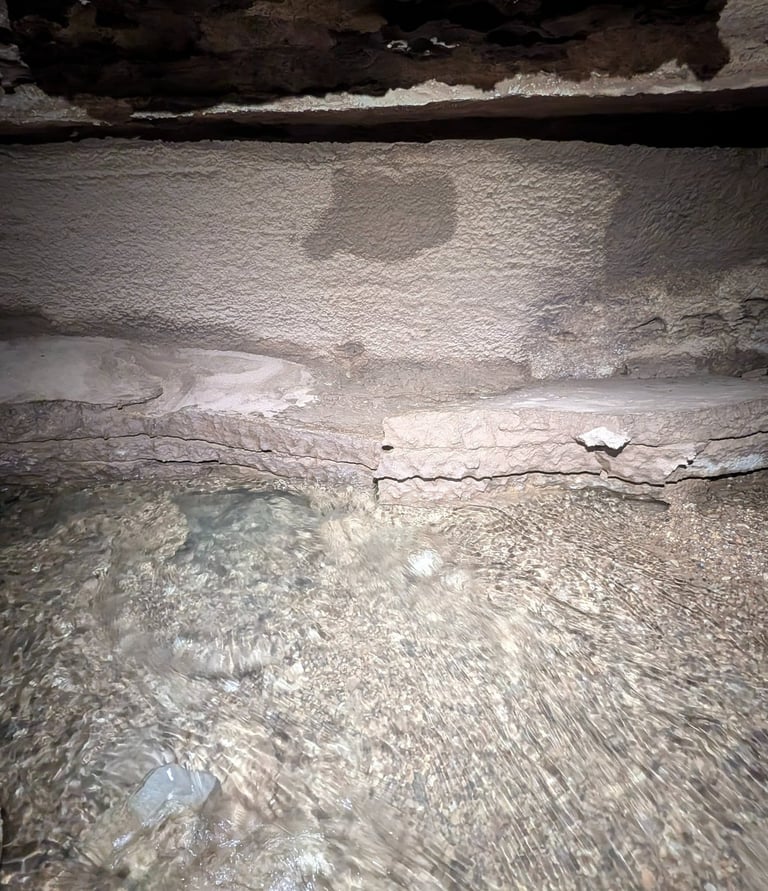

HR_06_KB
Kneebuster
This crawl is called kneebuster for a reason. Tight, off trail, and yes we did it anyway. This is one of the most popular off trail routes for a reason. If you want to understand the system, you go where the cave makes you work for it.
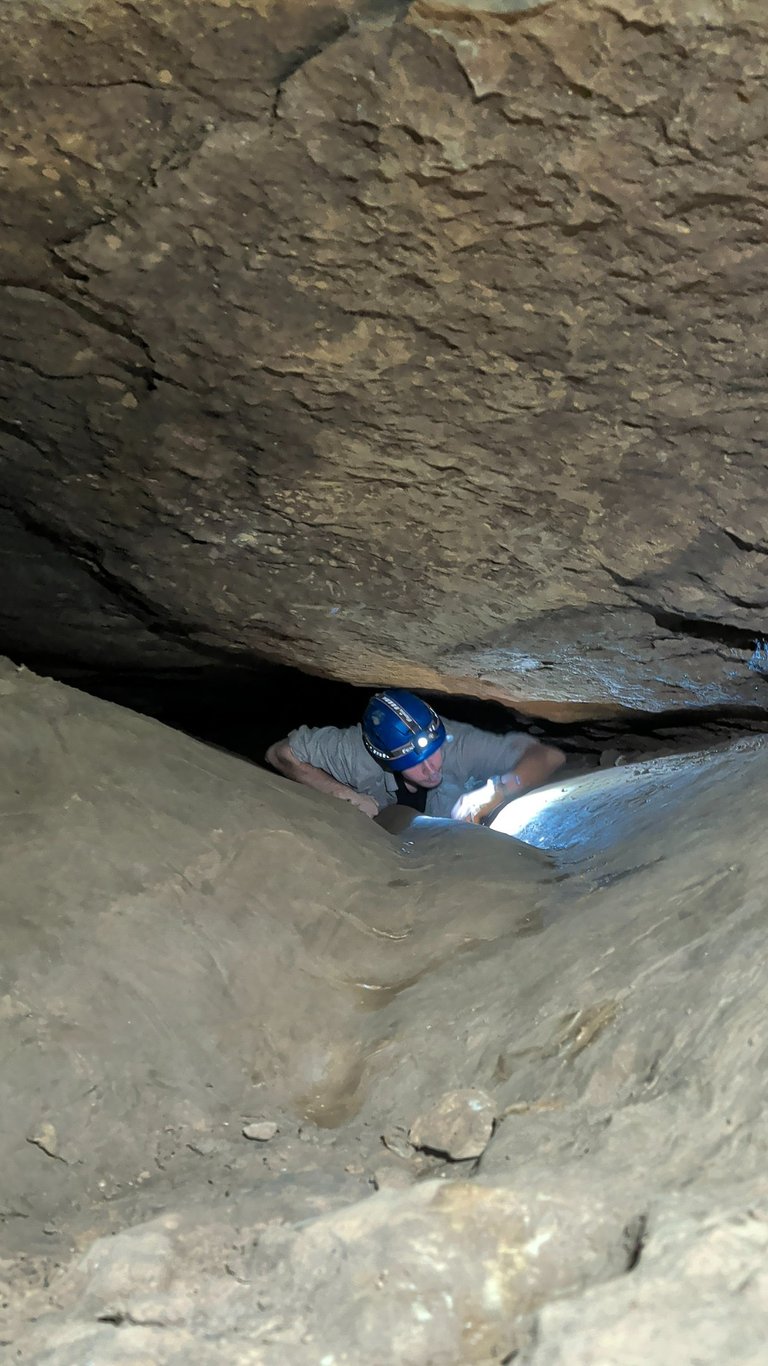

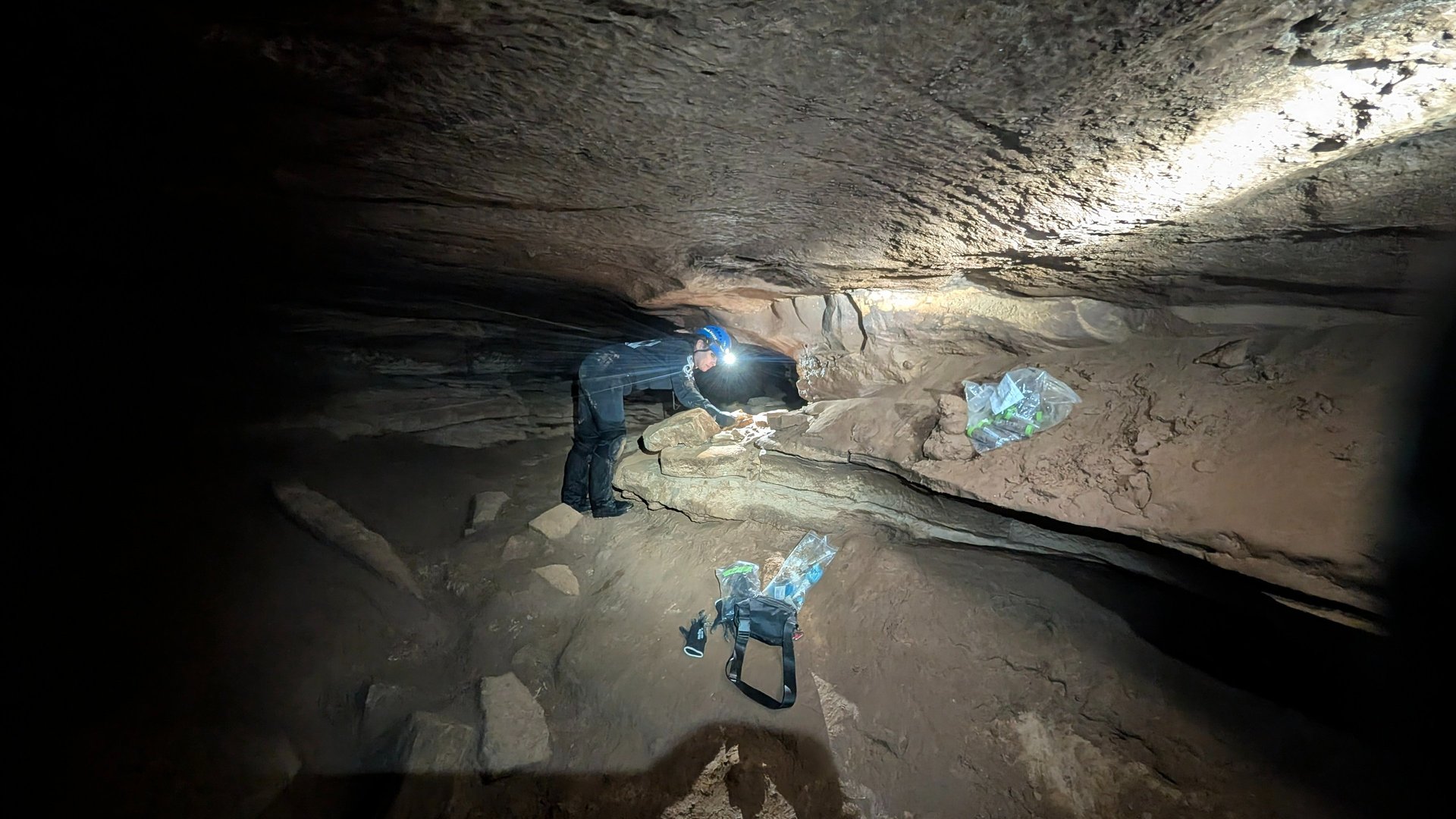

HR_07_JBL
Jingle Bell Lane
Off the main route, down to the stream, then into the breakdown. This is where flow, rock, and access all start to complicate each other. So we went down and sampled it.
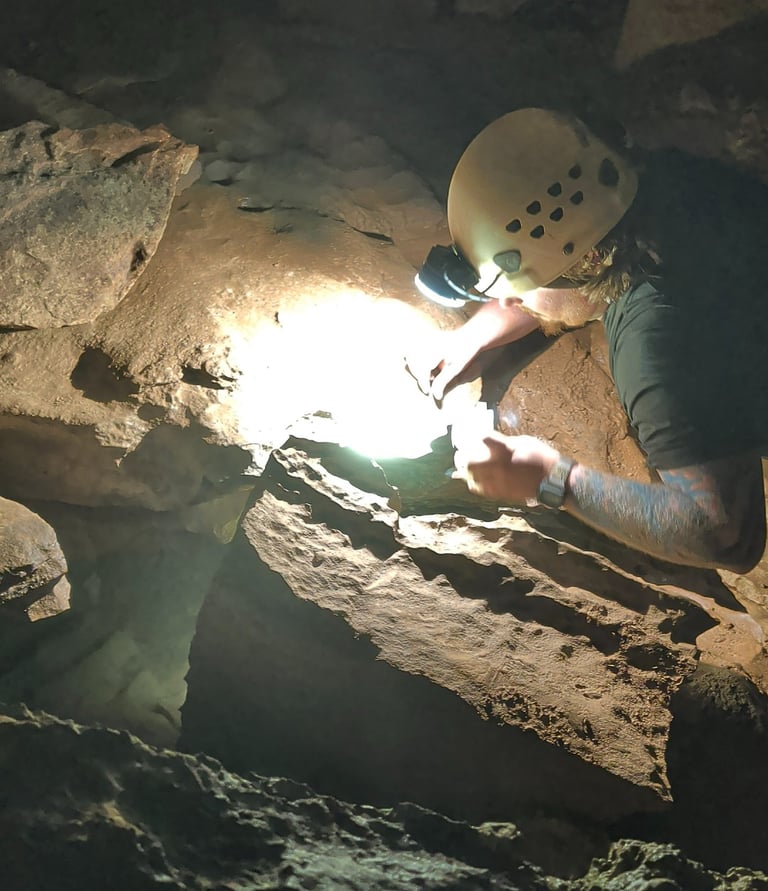

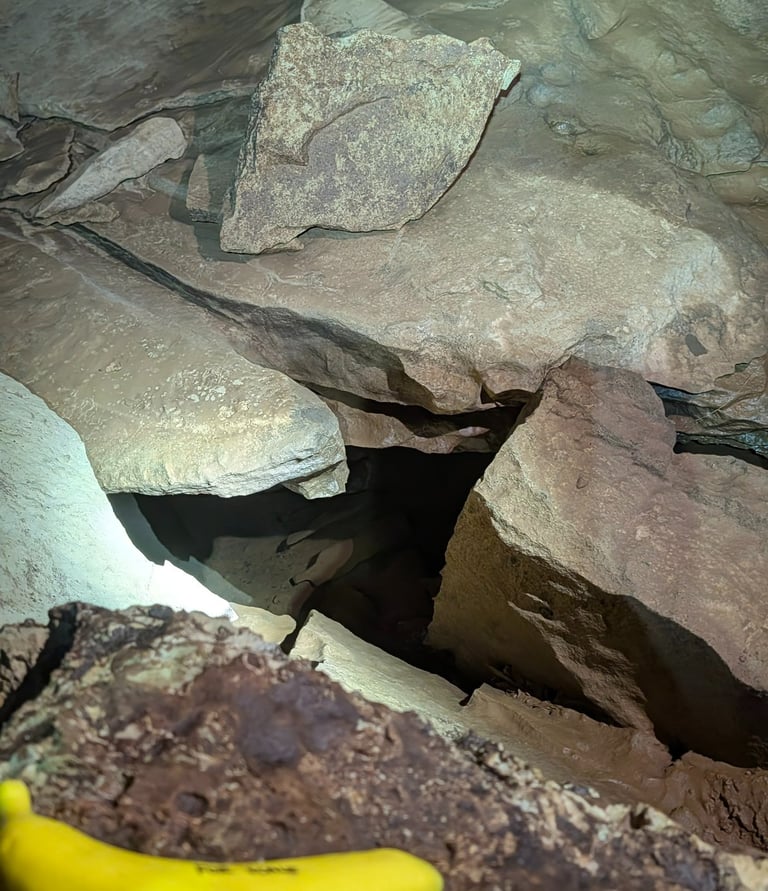

HR_08_WCR
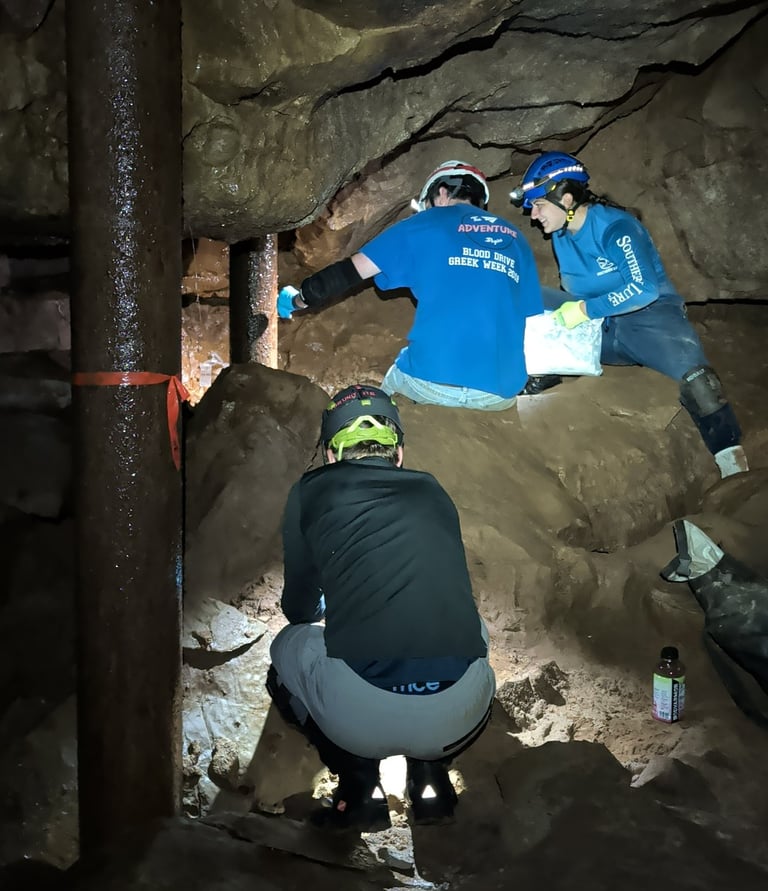
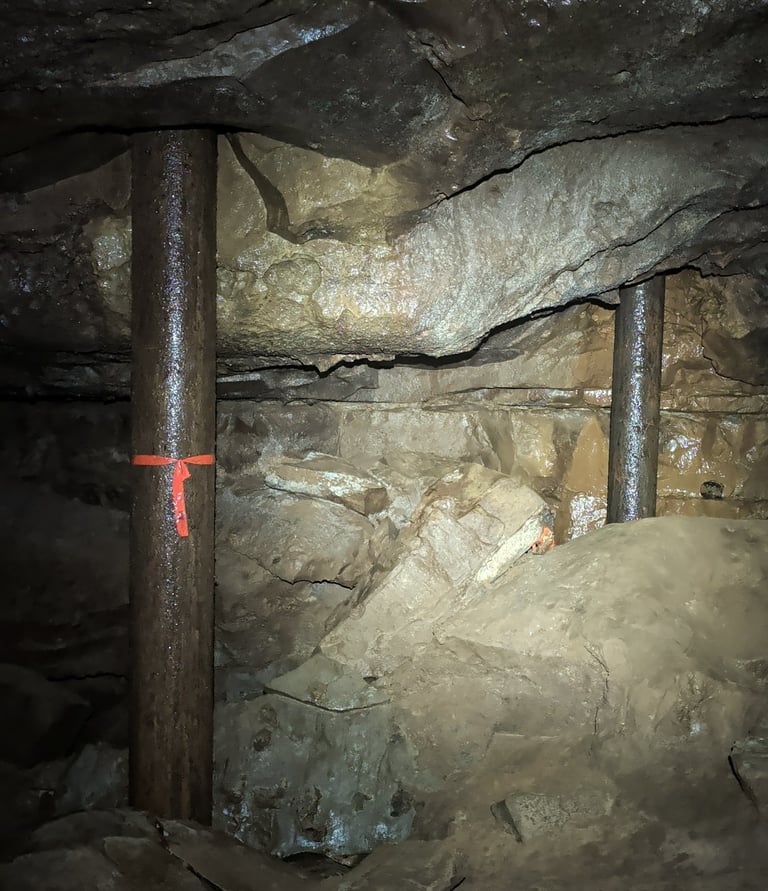
Well Casing Room
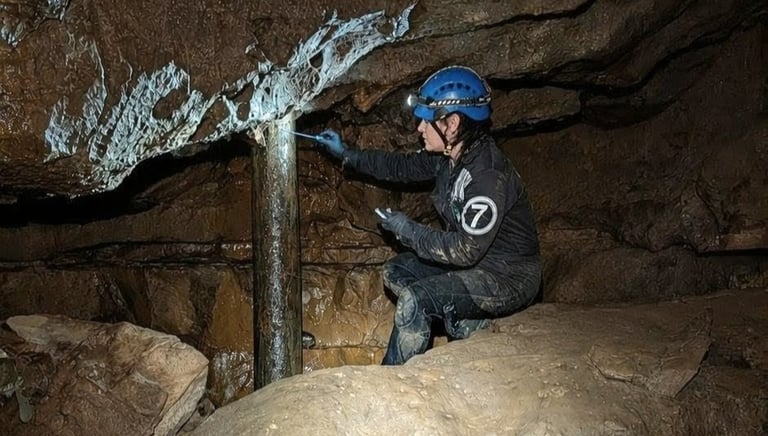
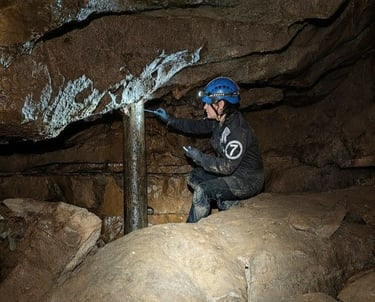
Steel well casings cut straight through the cave and sit right in the system. No barrier, no buffer. This is natural meets built, and we are looking at what the biofilm is doing to both.


HR_09_BWf
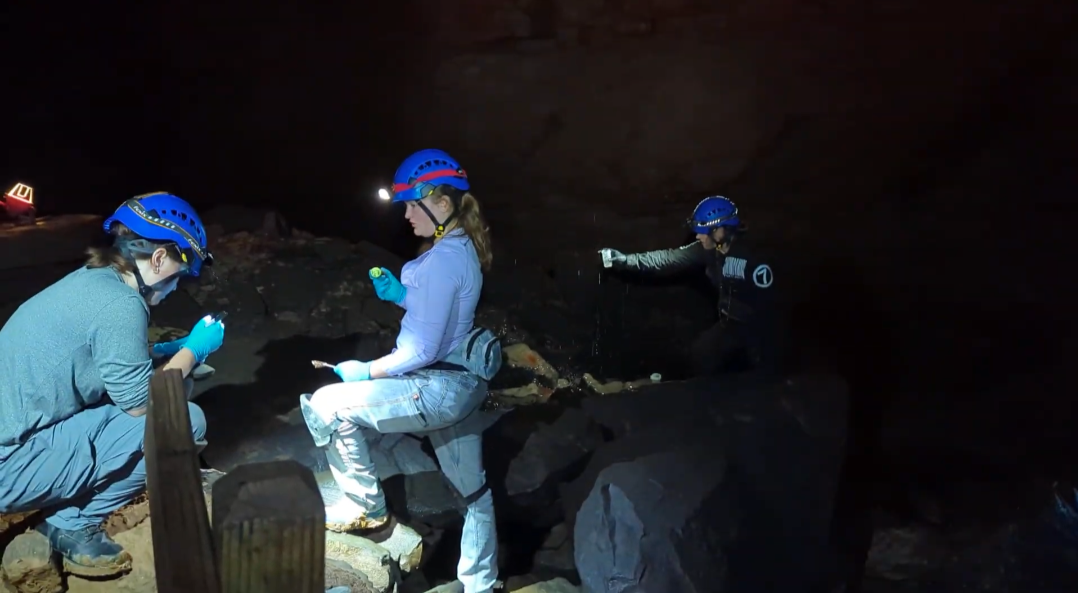
Black Waterfall
Water dropping from the ceiling with a history of running black. You can see the staining on the rock. We sampled it because something upstream is very much not normal.

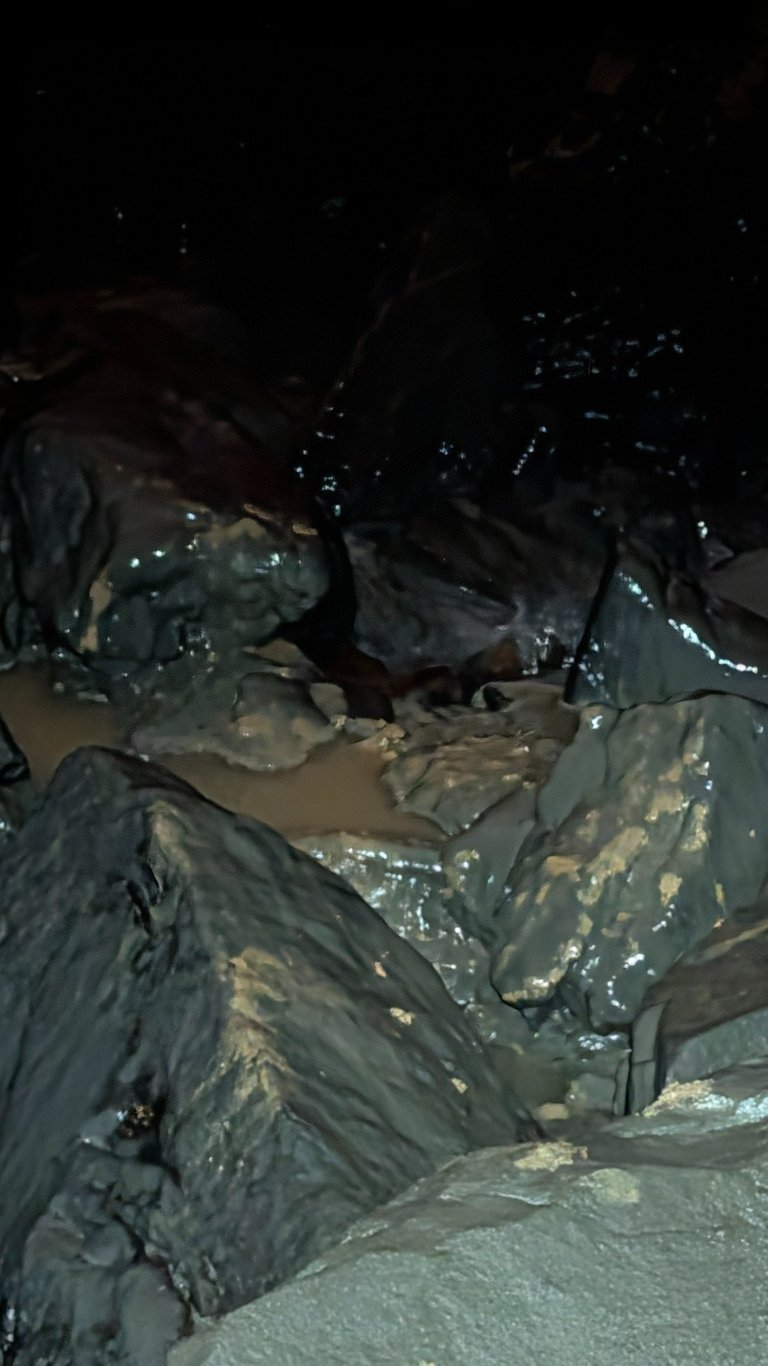

HR_10_YCF
Yellow Ceiling Flakes
Yellow crusts flaking off the ceiling and walls in an off-trail passage, showing up in patches and breaking apart easily when touched. Microbial? Geological? All of the above? We sampled them to find out.


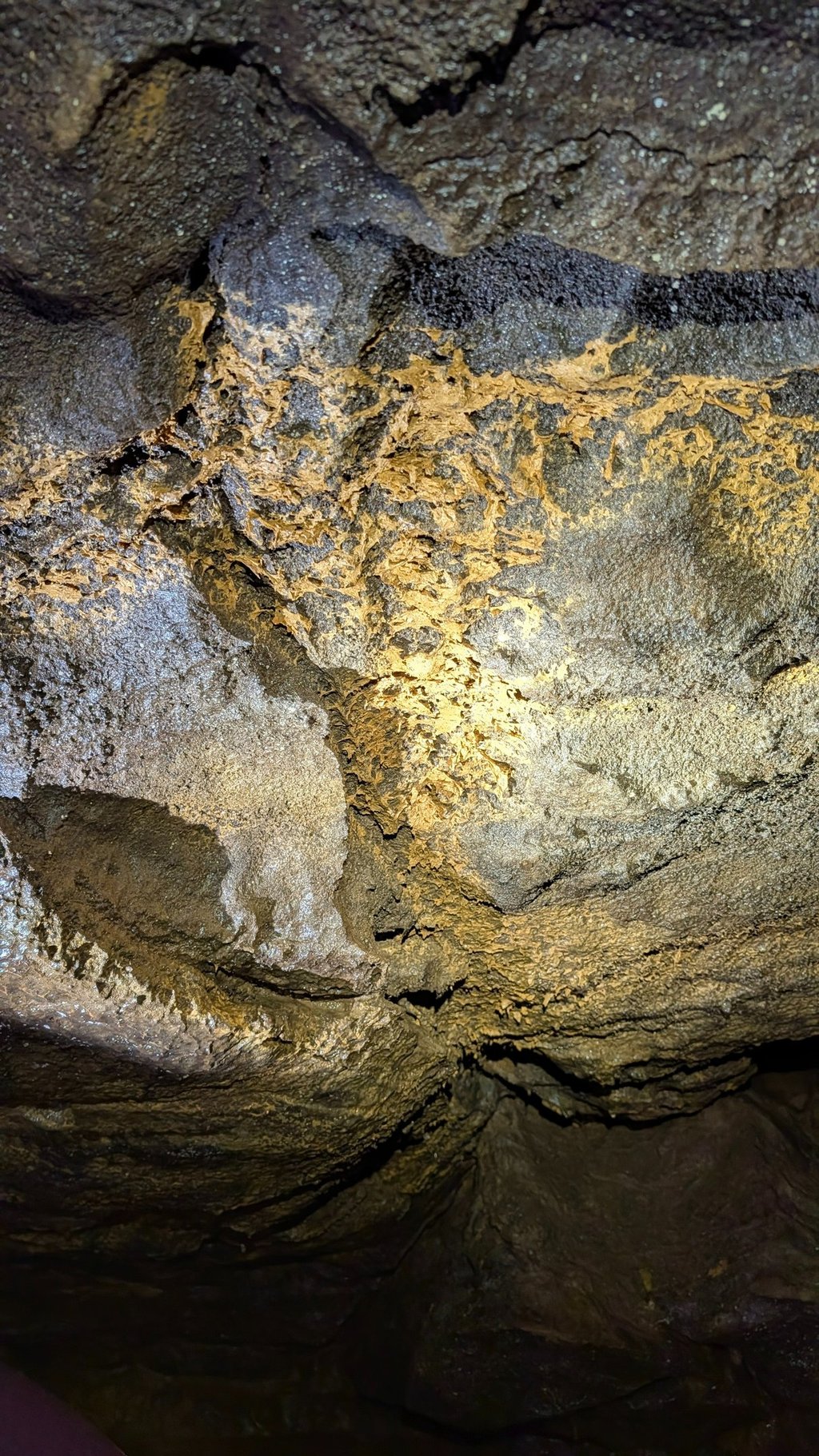

HR_11_WRS
Wheet River Sludge
This area still holds onto its pollution history. The mud tells that story whether you want it to or not. We sampled it to establish a baseline for what contamination still looks like here.


Who Made This Possible
Access and Site Partners
Hidden River Cave (HRC)
American Cave Conservation Association (ACCA)
Annie Holt, Education Director, HRC
Jay Pruitt, Operations Manager, HRC
Al Warren, Community Specialist, HRC
Nox Williamson, Cave Guide
Monica Galvez, Cave Guide
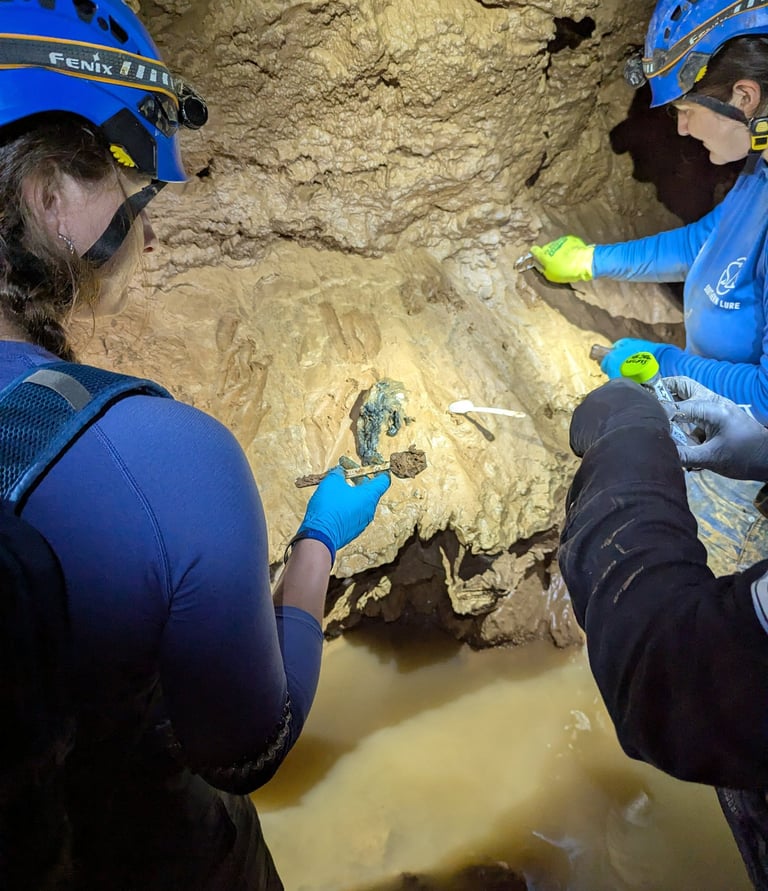
This work is not a single step and it is not a single person. It starts with people who make access possible, continues with those willing to get into the field and collect the samples, and runs all the way through the lab, the analysis, and the work required to turn raw material into something that holds up.
By the time you are looking at data, figures, or publications, it has already moved through a chain of people who showed up and did the work at every stage. We do not take that for granted. Thank you.
Washburn CHAOS Lab Members
Dr. Rachel Washburn, Director, Washburn CHAOS Lab
Dr. Alex Washburn, Geochemist, KGS | CONAN Division, WCL
Victoria Apostolides, Student Volunteer Researcher, Appalachian State
Mamie Clark, Potter Intern 2026, KGS
Aydin Khosrowshahi, Student, University of Kentucky
Field Sampling
Victoria Apostolides, Student Volunteer Researcher, Appalachian State
Jillian Bales, Potter Intern 2026, KGS
Mamie Clark, Potter Intern 2026, KGS
Madison High, Geologist, KGS
Noah Jennings, Potter Intern 2026, KGS
Addison Keyton, Potter Intern 2026, KGS
Aydin Khosrowshahi, Student, University of Kentucky
Kendra McGarvey, Potter Intern 2026, KGS
Jay Pruitt, Operations Manager, HRC
Breana Pollard, Potter Intern 2026, KGS
Dr. Alex Washburn, Geochemist, KGS | CONAN Division WCL
Dr. Rachel Washburn, Director, Washburn CHAOS Lab
Nox Williamson, Cave Guide, HRC
Sample Analyses Collaborators
Jason Backus, Laboratory Manager, KGS
Andrea Conner, Laboratory Analyst, KGS
Sahar Mofidi, Graduate Student, Tidgewell Lab, University of Kentucky
Dr. Alex Washburn, Geochemist, KGS | CONAN Division, WCL
Photography, Videography, and Imaging
Victoria Apostolides, Student Researcher, Appalachian State
Aydin Khosrowshahi, Student, University of Kentucky
Jay Pruitt, Cave Guide, HRC
Madision High, Geologist I, KGS
Dr. Alex Washburn, Geochemist, KGS | CONAN Division, WCL
Dr. Rachel Washburn, Director, Washburn CHAOS Lab
Funding and Sponsorship
University of Kentucky OVPR Postdoctoral Research Fellowship
KGS Enrichment Fund
Get in touch
If you have questions about this system, start there. If you want to get involved, use these data as a starting point, get access to raw datasets, collaborate, have us collect samples, or come in and run your own study, this is where that happens. This work is open to people who are actually going to do something with it. The form is below.
Washburn CHAOS Lab
Science is metal. Science is feral. Science is CHAOS.
director@washburnchaoslab.com
#washburnchaoslab
© 2025. All rights reserved.
complex host-abiotic systems
@washburnchaoslab
Feral scientists exploring hostile systems, unstable environments, and the chemistry shaping what survives there.
#feralscience