
Volunteer Opportunities
Not every scientific contribution involves crawling through a cave with a backpack full of equipment.
Volunteer Opportunities focus on the behind-the-scenes work that keeps research moving forward, from data analysis and literature research to outreach, design, project support, and helping prove that science is held together primarily by curiosity, teamwork, and an alarming number of spreadsheets.
Volunteer Opportunities are for the people who want to help make the science happen, even if they're not the ones crawling through caves with a backpack full of sampling gear and poor life choices.
Scientific research runs on far more than fieldwork. Every sample collected, dataset analyzed, figure created, outreach event hosted, social media post published, and project completed requires an enormous amount of work behind the scenes. That's where volunteers come in.
Depending on your interests, skills, availability, and the current needs of the lab, volunteer opportunities may include:
• Preparing sampling kits and field supplies before expeditions
• Organizing samples, equipment, and research materials
• Helping keep the lab functional and operational
• Assisting with data entry, spreadsheets, databases, and project organization
• Supporting literature reviews and scientific background research
• Tracking down information on microbes, metabolites, environmental systems, and other scientific rabbit holes we inevitably fall into
• Learning or applying skills in R, Python, GIS, statistics, data visualization, or other analytical tools
• Creating figures, graphics, infographics, educational materials, and scientific illustrations
• Assisting with photography, videography, editing, and media projects
• Supporting science communication and outreach efforts
• Helping staff outreach booths, conventions, educational events, and public science programs
• Contributing technical, creative, logistical, organizational, or problem-solving skills to active projects
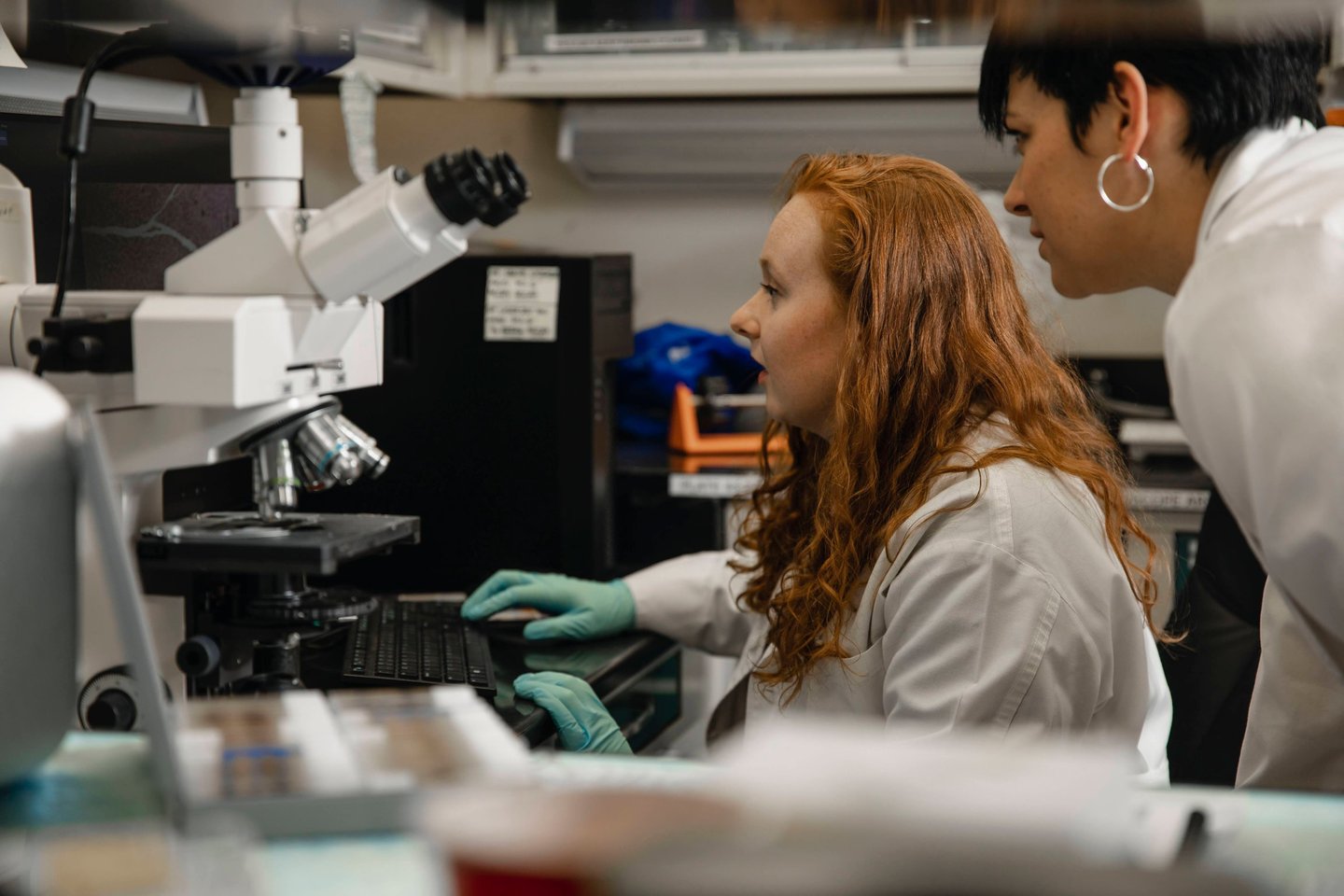
Some opportunities take place in the lab in Lexington, Kentucky. Others can be completed remotely from anywhere with an internet connection and a willingness to contribute to the cause of feral science. Experience requirements vary. Some projects are beginner-friendly. Others may be ideal for students looking to build research experience, develop technical skills, or learn how scientific projects actually function outside of textbooks and PowerPoint slides.
There may occasionally be opportunities to assist with fieldwork as well. If your primary goal is caves, expeditions, environmental sampling, and getting muddy in the name of science, you'll probably want to take a look at the Citizen Science Experiences or Expedition Partner Program instead.
Not every scientist is the person carrying equipment into a cave. Somebody also has to analyze the data, build the figures, organize the project, manage the workflow, explain the science, and occasionally remind the principal investigator to eat lunch. Science is a team sport. Chaos just happens to be our team mascot.
How This Works
Science runs on timing, opportunity, funding, curiosity, and occasionally pure spite. Because of that, volunteer opportunities change throughout the year.
Submitting this form doesn't automatically sign you up for a project, but it does put you on our radar. When opportunities arise that match your interests, skills, or particular brand of useful chaos, we'll reach out with more information.
Most volunteer opportunities focus on research support, outreach, creative projects, data analysis, and behind-the-scenes work. If your primary goal is getting muddy, crawling through caves, and collecting samples in the field, you'll probably want to take a look at the Citizen Science Experiences or Expedition Partner Program instead.
Volunteer Request Form
Washburn CHAOS Lab
Science is metal. Science is feral. Science is CHAOS.
director@washburnchaoslab.com
#washburnchaoslab
© 2025. All rights reserved.
complex host-abiotic systems
@washburnchaoslab
Feral scientists exploring hostile systems, unstable environments, and the chemistry shaping what survives there.
#feralscience