
Name a Microbe
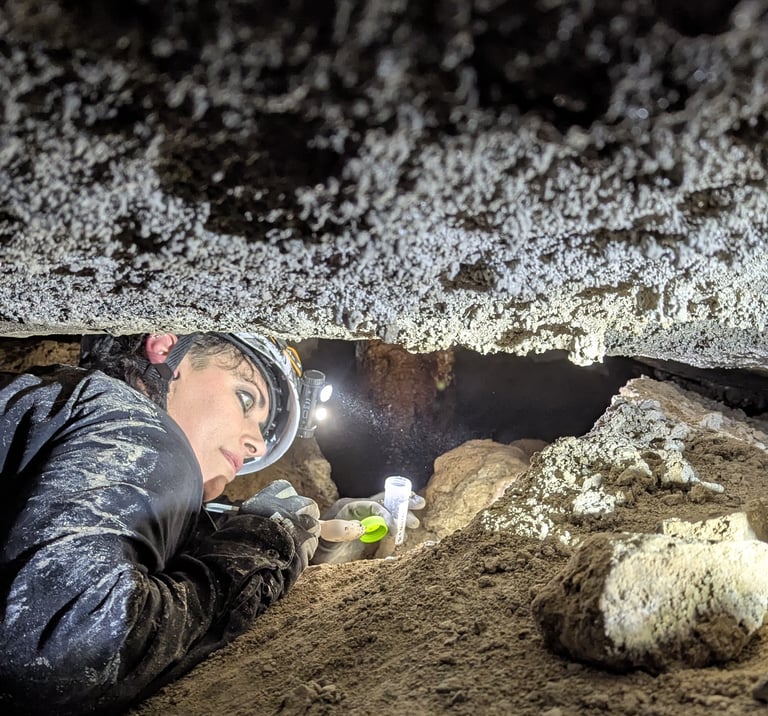
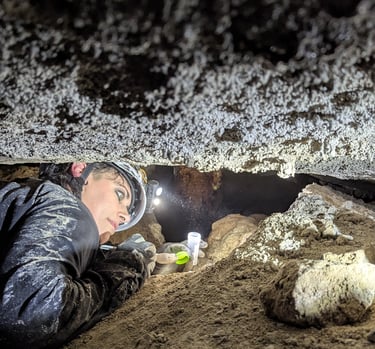
Somewhere in a cave, stream, floodplain, mine, or other geochemically questionable location, a microbe is doing something absolutely unhinged. Name a Microbe lets you support real scientific research while helping determine whether that organism spends the rest of its existence known as Sample 47B or something far more respectable, like Dave.
Every year, scientists discover countless microorganisms that spend their lives doing incredibly important things while being known only by sample numbers, laboratory codes, and strings of letters that sound like somebody dropped a keyboard down a staircase. We think they deserve better.
The Washburn CHAOS Lab Name a Microbe Program lets you help give real environmental microbes the common names they deserve. These organisms come from actual research projects involving caves, streams, floodplains, soils, biofilms, mines, and other geochemically questionable locations where life has decided the rules are more of a suggestion.
You can participate by submitting names, voting during community naming events, or sponsoring a microbe and assigning its common name directly. Once named, that common name becomes part of the microbe's CHAOS Lab identity and may appear on its website profile, project updates, social media posts, presentations, outreach materials, and other public-facing content.
And yes, that means there is a very real possibility that a microorganism involved in legitimate scientific research could end up known throughout the CHAOS Lab ecosystem as Dave, Ozzy Sporbourne, Fungus Amongus, or something equally magnificent.
More importantly, every Name a Microbe contribution helps support the science itself. Funding from the program helps cover field expeditions, laboratory analyses, student training, scientific outreach, and the ongoing process of figuring out what these microscopic weirdos are actually doing out there. Because science is a lot more fun when people get to be part of it.
Coming Soon...
Naming Levels
How much naming authority do you want? The levels below range from helping guide the process to personally deciding what a real research microbe will be known as throughout the Washburn CHAOS Lab ecosystem.
Level 1: Community Scientist
Not every scientific decision should be left entirely to academics. Community Scientists help decide the common names of real environmental microbes discovered through Washburn CHAOS Lab research. When a naming event opens, you'll get to vote on candidate names and help determine whether a microbe spends the rest of its existence known as something majestic, scientifically meaningful, or suspiciously named after somebody's dog.
Includes
Voting access during eligible naming events
Naming event updates and results
Digital Community Scientist certificate
The satisfaction of influencing scientific history in a very small but technically real way


Level 2: Research Contributor
Think you can do better than the rest of the internet? Research Contributors get to submit names for community naming events. Whether your inspiration comes from science, mythology, metal, caves, terrible puns, or a moment of absolute brilliance that strikes while you're staring at the ceiling at 2 a.m., your submission could become the official Washburn CHAOS Lab common name for a real environmental microbe. If your name wins, you'll be credited as the person responsible for unleashing that decision upon the world.
Includes
Everything in the Community Scientist tier
Name submission privileges during eligible naming events
Washburn CHAOS Lab Open Series Microbe Trading Card
Washburn CHAOS Lab sticker pack
If Your Name Wins
"Name Submitted By" credit on the microbe's profile
"Name Submitted By" credit on future cards featuring that microbe
Winner certificate
Eternal bragging rights
This is the top tier. No voting. No campaigning. No hoping strangers on the internet make good decisions. Discovery Sponsors get to assign the common name of a real environmental microbe connected to Washburn CHAOS Lab research. Somewhere out there is a tiny organism surviving in a cave, floodplain, stream, mine, biofilm, or other geochemically questionable location. Thanks to you, it may spend the rest of its existence known as Dave.
Includes
Full common naming rights for an eligible microbe
Limited Edition Name a Microbe Trading Card
"Named By" credit printed directly on the card
Recognition on the microbe's profile page
Recognition in applicable Washburn CHAOS Lab presentation acknowledgements
Recognition in applicable Washburn CHAOS Lab paper acknowledgements
Personalized naming certificate
Research Collection Specimen from the discovery environment
Official Washburn CHAOS Lab Initial Issue Loadout containing apparel, collectibles, tactical glitter, and other items of questionable scientific necessity
Most Important Benefit
The ability to point at a real microbe involved in actual scientific research and say, "I named that."
Level 3: Discovery Sponsor


One more thing...
Names assigned through this program are common names used by the Washburn CHAOS Lab for outreach and public engagement. Scientific publications still use formal scientific names and laboratory designations because taxonomists become understandably concerned when everything starts getting named after metal bands, Dungeons & Dragons characters, and people's dogs.
So the paper may call it WCL-HRC-023. But us and everyone who follows Washburn CHAOS Lab, we'll still call it Dave.
Name a Microbe Interest Form
The Washburn CHAOS Lab Name a Microbe Program is currently under development as we finalize naming events, trading cards, research collection specimens, and other important matters involving the responsible distribution of microbial naming authority. If you'd like to be notified when the program launches, join the interest list below.
Washburn CHAOS Lab
Science is metal. Science is feral. Science is CHAOS.
director@washburnchaoslab.com
#washburnchaoslab
© 2025. All rights reserved.
complex host-abiotic systems
@washburnchaoslab
Feral scientists exploring hostile systems, unstable environments, and the chemistry shaping what survives there.
#feralscience