Who are we?
The Washburn CHAOS Lab was built for science that refuses to stay confined to neat categories, sterile environments, or safe questions.
We investigate caves, contaminated landscapes, microbial ecosystems, and the powerful or deeply questionable chemistry being produced.
The Washburn CHAOS Lab combines biomedicine, microbiology, geoscience, chemistry, pharmacognosy, and feral science communication to study how environment, microbes, and chemistry in real-world systems to have a real-world impact.
Around here, science is hands-on, field-driven, and unapologetically curious. We sequence to metal, interrogate ecosystems behaving badly, and believe science works best when it is allowed to get a little feral.
Because nature is messy. Science should be allowed to be messy too.
Our mission
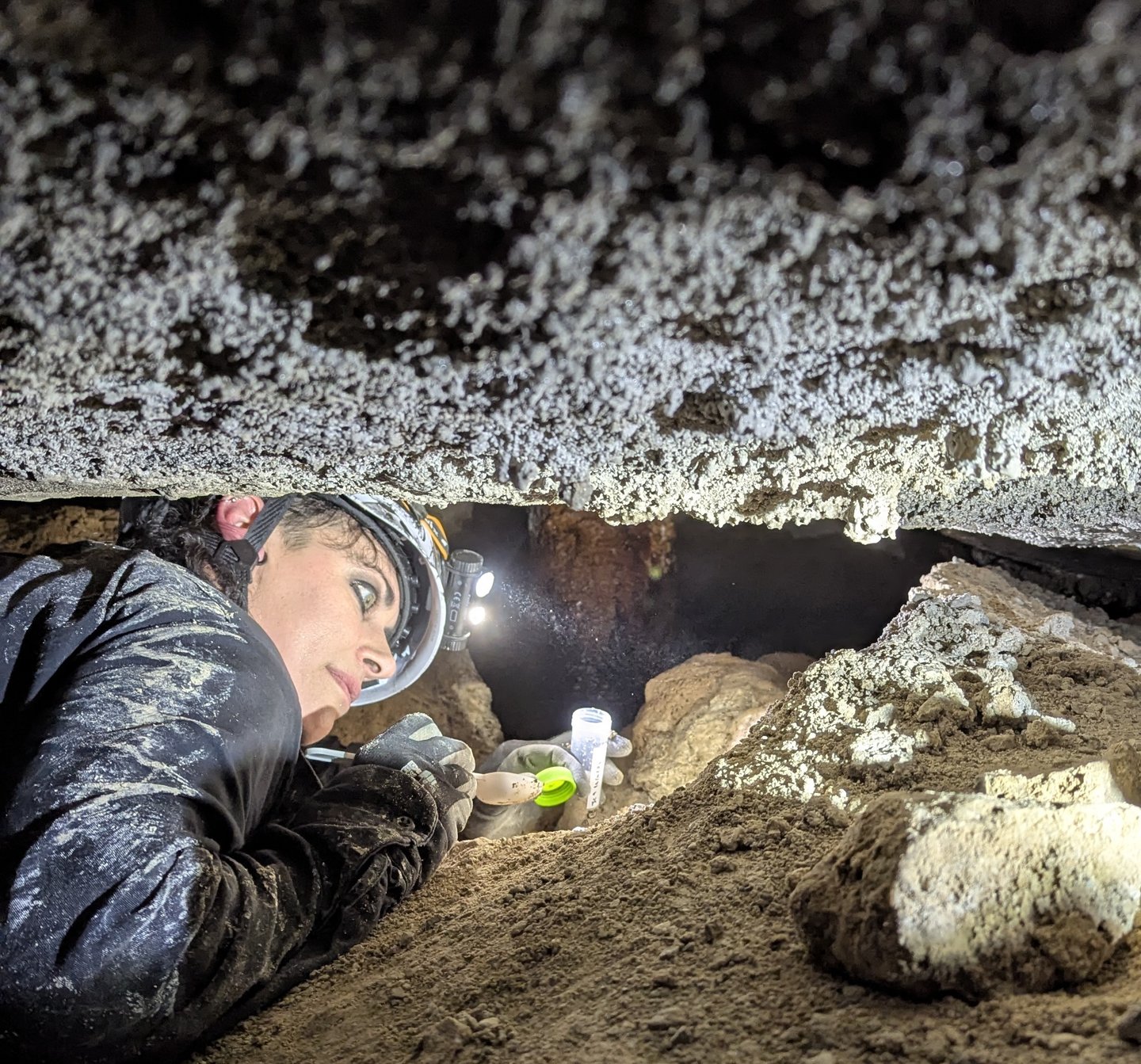
At the Washburn CHAOS Lab, we study how biology, geology, chemistry, atmosphere, interact in real environments.
Our research spans caves, biocrusts, contaminated landscapes, built environments, microbial ecosystems, and subsurface systems to understand how microbes survive, adapt, communicate, and produce chemistry that can heal systems, disrupt them, or completely rewrite the rules underneath them.
We investigate microbial diversity, metabolite production, environmental chemistry, ecological disruption and recovery, and the biomedical potential hidden inside the wildest corners of the natural world.
Science at the Washburn CHAOS Lab is hands-on, field-driven, interdisciplinary, and just feral enough to matter.
Our vision
The Washburn CHAOS Lab exists to build a different kind of scientific ecosystem.
We believe rigorous science, fieldwork, education, outreach, consulting, media, and public participation should not exist as separate worlds. They should operate as part of the same connected system.
Our vision is to create a flexible, community-connected research organization where scientists, students, landowners, agencies, artists, educators, and the public can actively participate in discovery instead of only observing it from the outside.
We believe the communities living in and interacting with these systems deserve access to scientific knowledge just as much as the institutions studying them. Science should not disappear behind jargon, paywalls, or institutional barriers while the people most affected by these systems are left out of the conversation.
We want science that is collaborative, interdisciplinary, field-driven, operationally flexible, and accessible without sacrificing rigor.
Science should not live only behind institutional walls.
It should exist in caves, classrooms, field sites, public spaces, conversations, media, and communities actively engaging with the systems shaping their world.
Feral Science
FERAL Science is the philosophy behind how the Washburn CHAOS Lab approaches discovery.
Fearless curiosity
Engage everyone in discovery
Real systems, real science, real impact
Adapt when necessary
Link people, ideas, and disciplines
Science does not happen in neat boxes. Real systems are messy, interconnected, and constantly changing. Understanding them requires collaboration across disciplines, participation from communities, and a willingness to follow evidence wherever it leads.
At the Washburn CHAOS Lab, we believe science should be rigorous, accessible, interdisciplinary, and actively connected to the people and environments it serves.
CHAOS Research Divisions
Behold the three pillars of CHAOS, where our research begins, and the noise of discovery never stops. Science doesn’t whisper here, it roars.
Metabolomic
Arsenal


Life under pressure makes weird chemistry. HAVOC studies bioactive compounds, metabolites, and molecular interactions produced across environmental systems to uncover new applications in health, industry, and environmental science.
Microbial
Upheaval
Life adapts, reorganizes, collapses, recovers, and occasionally does something completely unhinged. MAYHEM investigates microbiomes across changing natural and human-impacted systems and how those changes affect ecosystems and health.
Geologic
Crucible
Before there were microbiomes, metabolites, or ecosystems, there was geology. CONAN investigates the geochemistry and geochronology that shape Earth systems, resources, and the conditions that drive biological and chemical function.


Our team
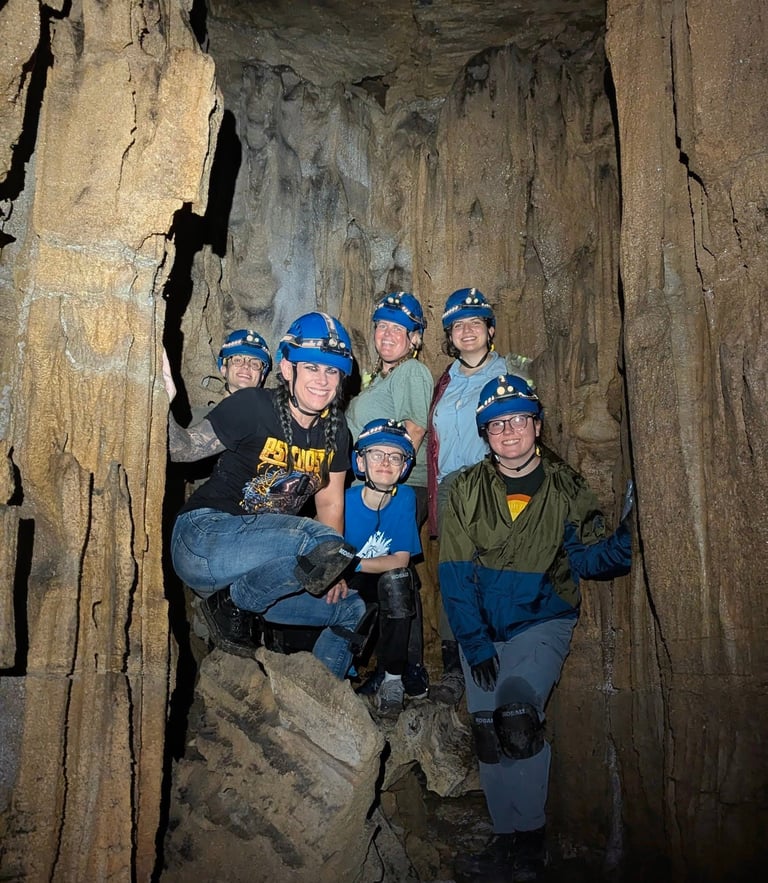
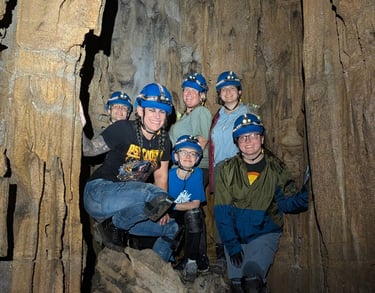
The Washburn CHAOS Lab is built by field scientists, students, artists, researchers, and collaborators working across biology, geology, chemistry, media, and science communication. Some of us come from caves. Some come from laboratories, classrooms, code, geochemistry, or creative work. What connects the team is a shared obsession with understanding real-world systems and a willingness to follow the science into strange places.
Around here, fieldwork is collaborative, interdisciplinary, and usually covered in mud.
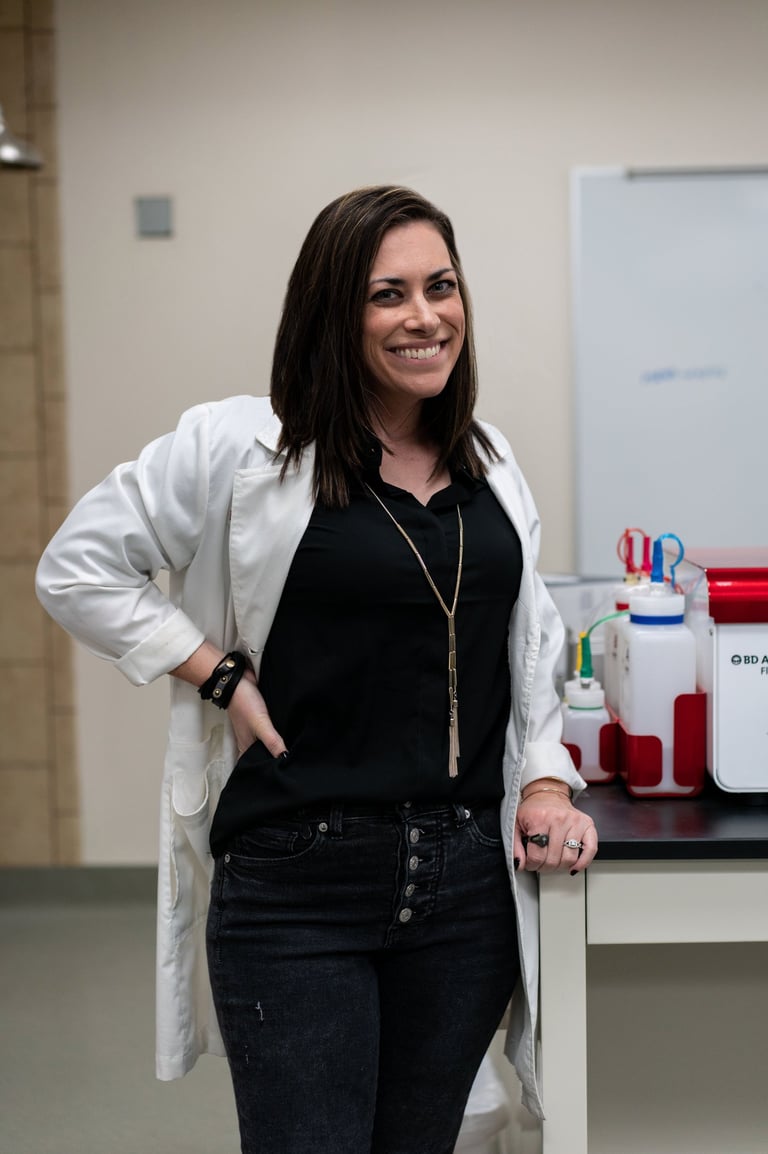
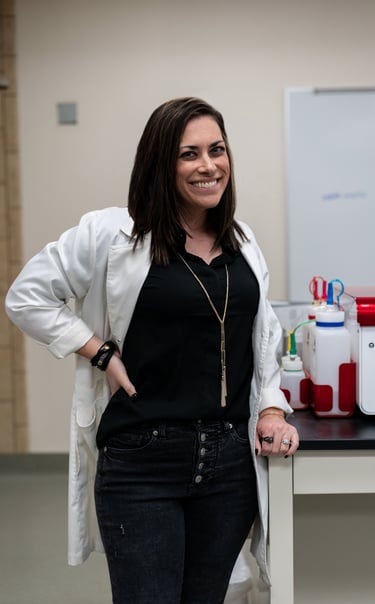
Dr. Rachel Washburn
DIRECTOR Of chaos
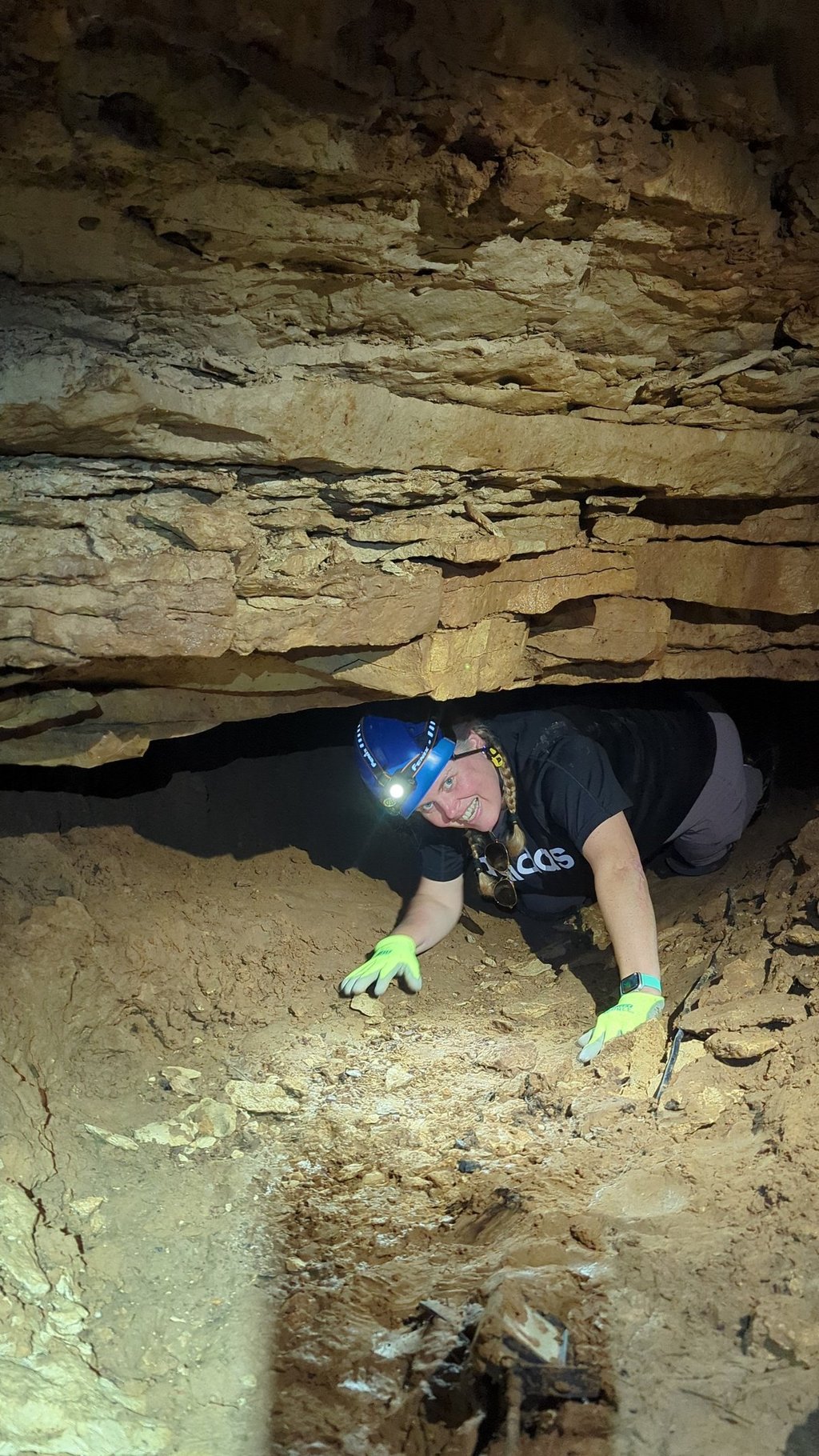
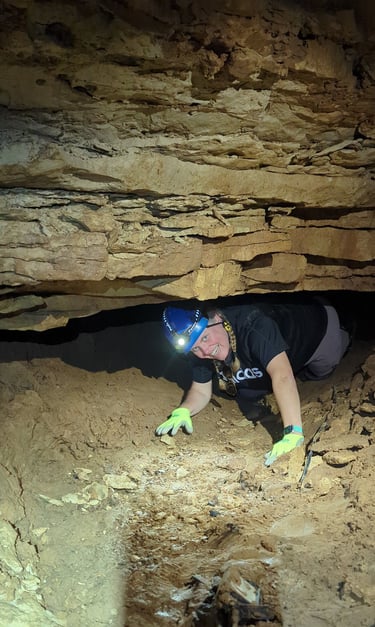
Laura Hamann
Volunteer RESEARCHER
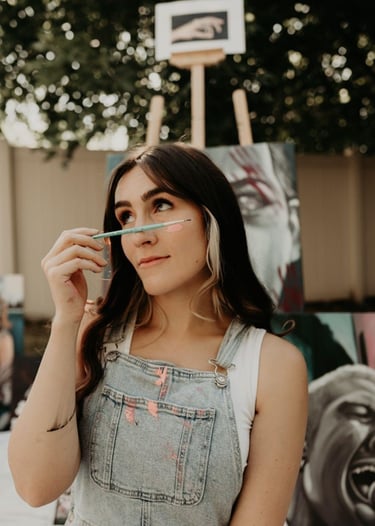
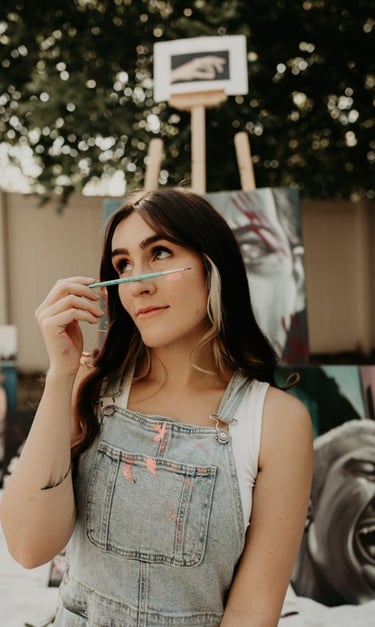
Alissa Landefeld
Artist
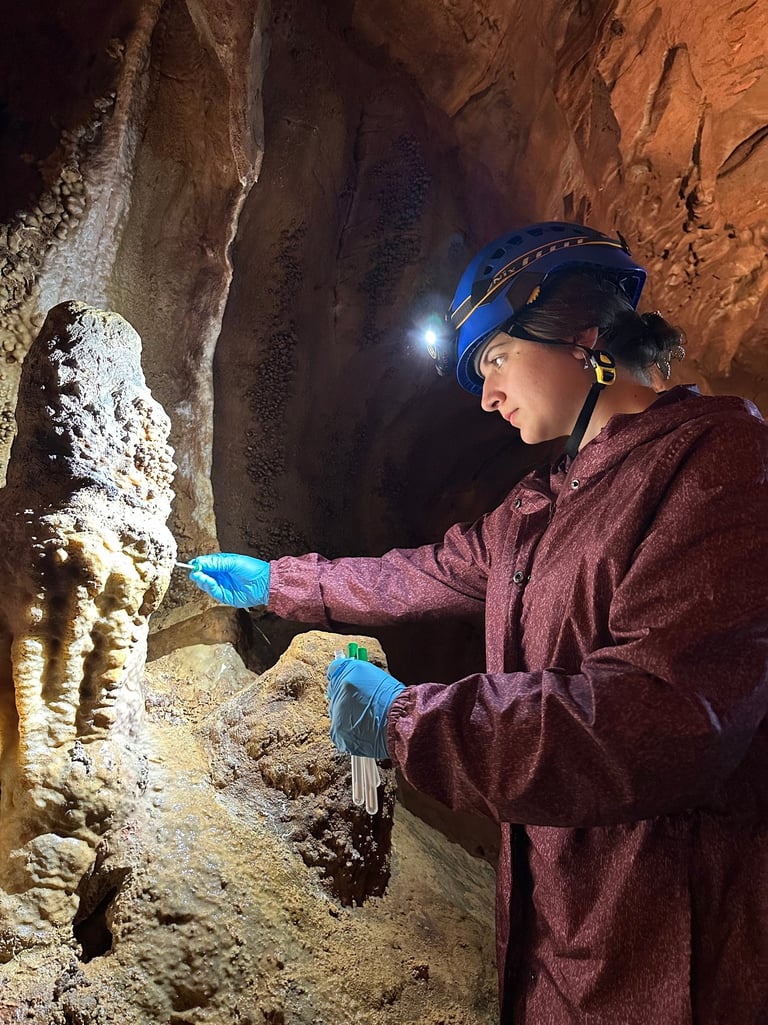
Vicky Apostolides
Undergraduate Researcher
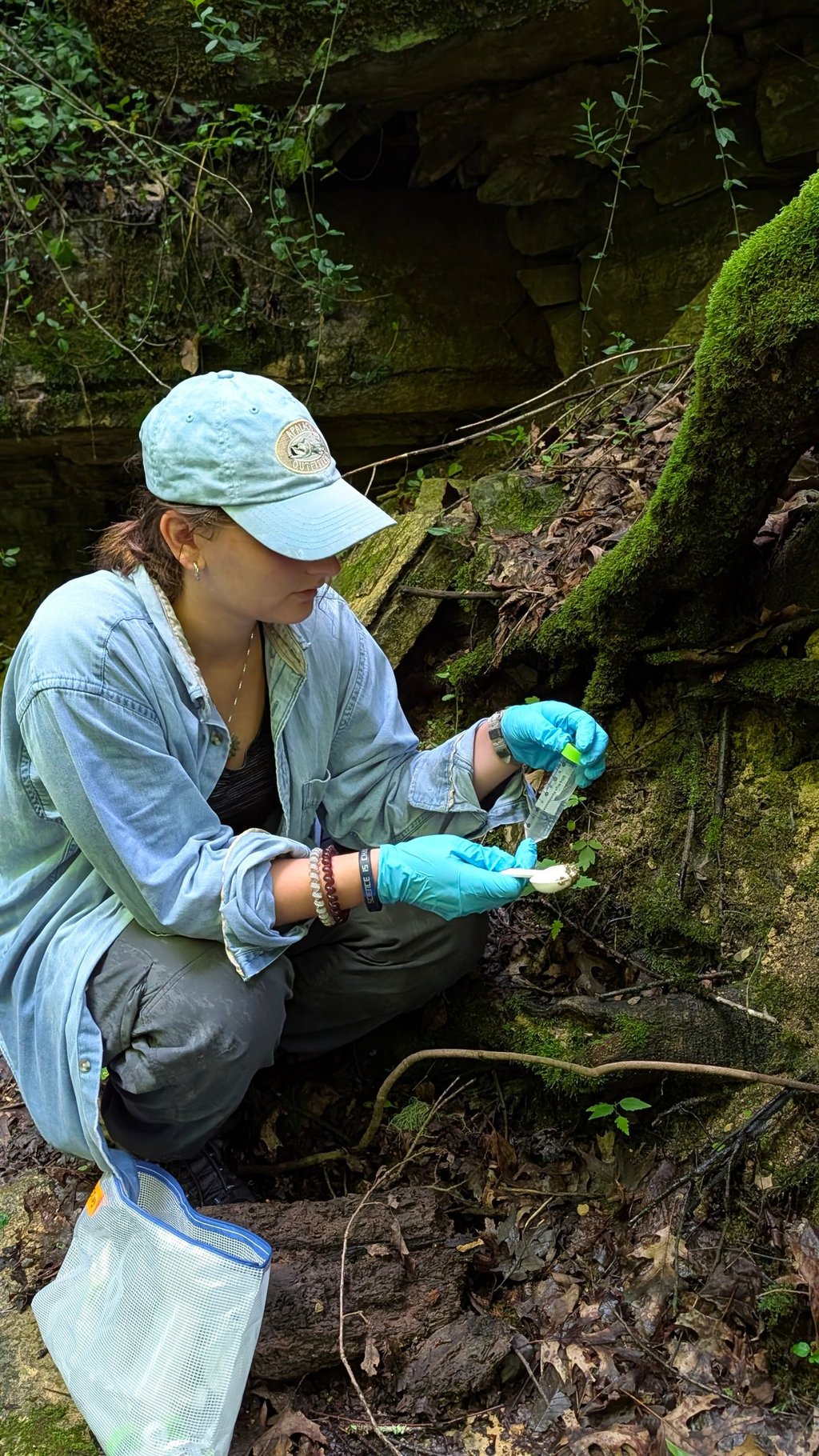
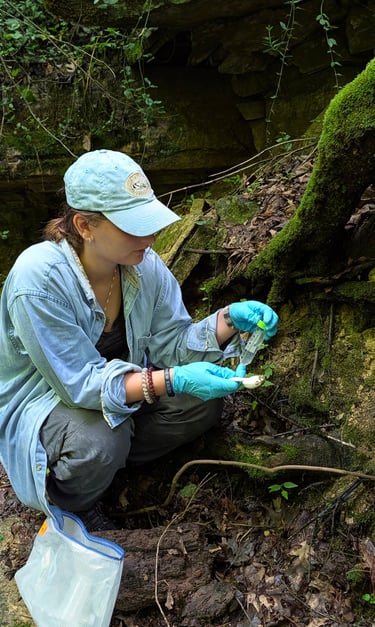
Mamie Clark
Potter Intern
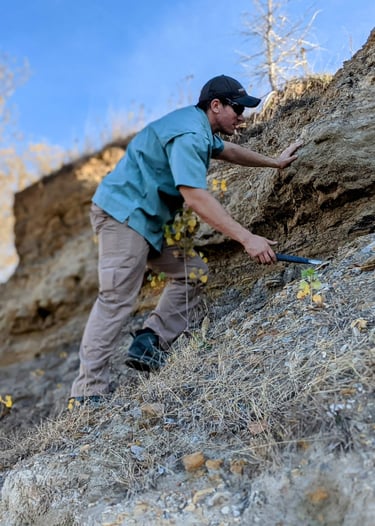
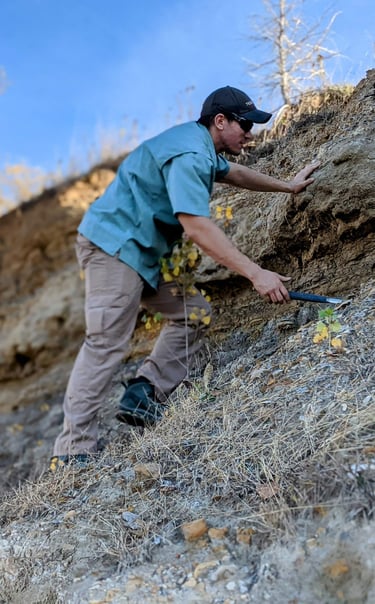
Dr. Alex Washburn
geochemist, conan division head
Contact the Lab
Got questions, wild ideas, or a system doing something unhinged? You’re in the right place. You’re in the right place. Sign up for lab updates, talks, and ways to get involved in real fieldwork.
If you’ve got a cave, access to land, or a site with karst, weird water, or “this seems biologically questionable” energy, tell us.
Whether you’re a student, collaborator, landowner, or just curious, this is your way in.
Our Science Arsenal
The tools and techniques we use to study real-world biological, chemical, and geological systems
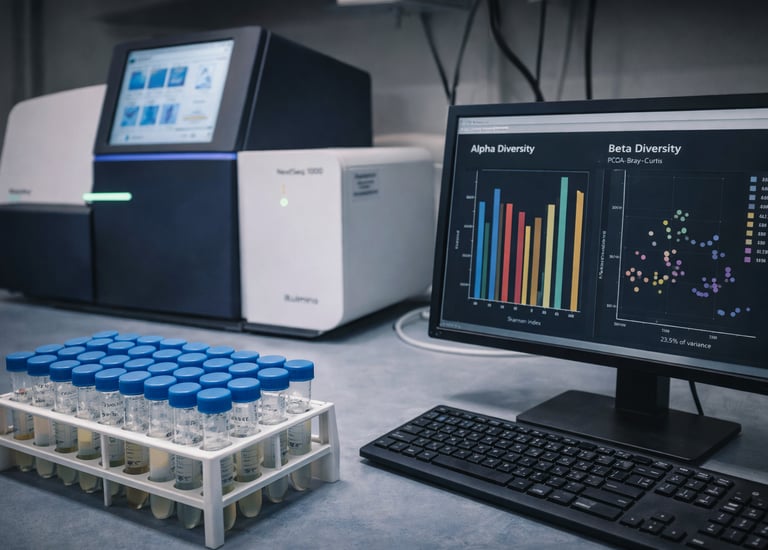
Microbial Community Analysis
High-depth sequencing and diversity analyses used to determine who is present and how microbial communities differ across environments.
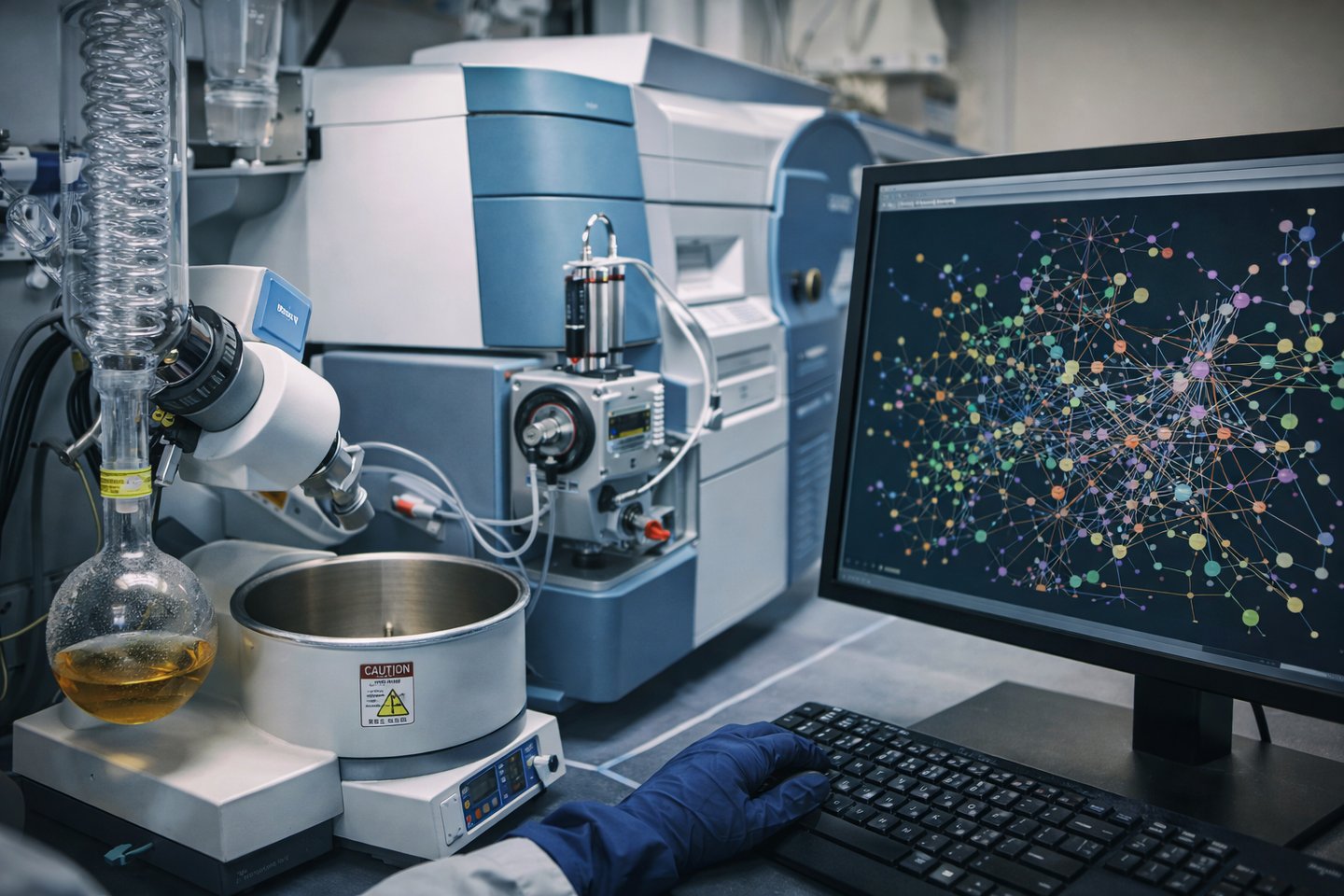
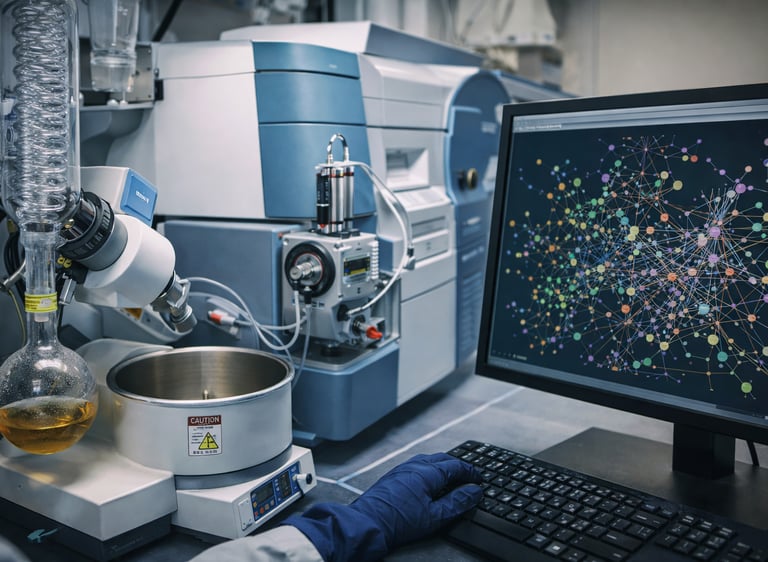
Molecular Networking & Metabolomics
Chemical profiling that reveals what microbes are producing and how biological function shifts under environmental stress.
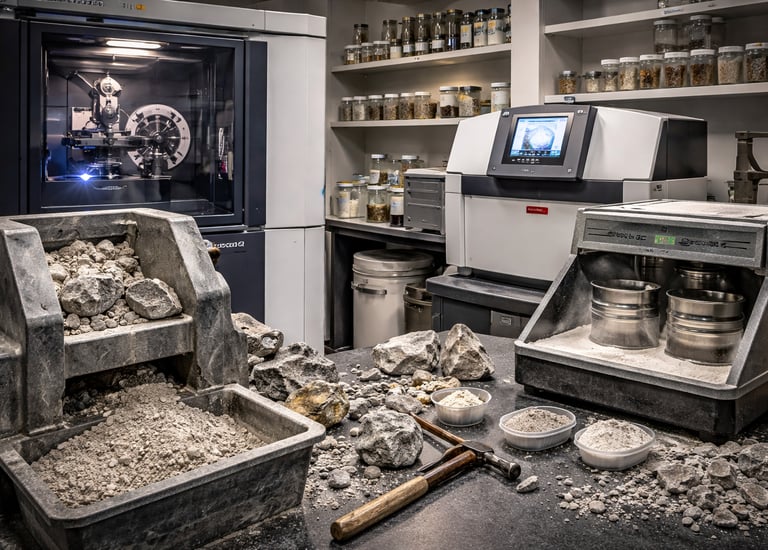
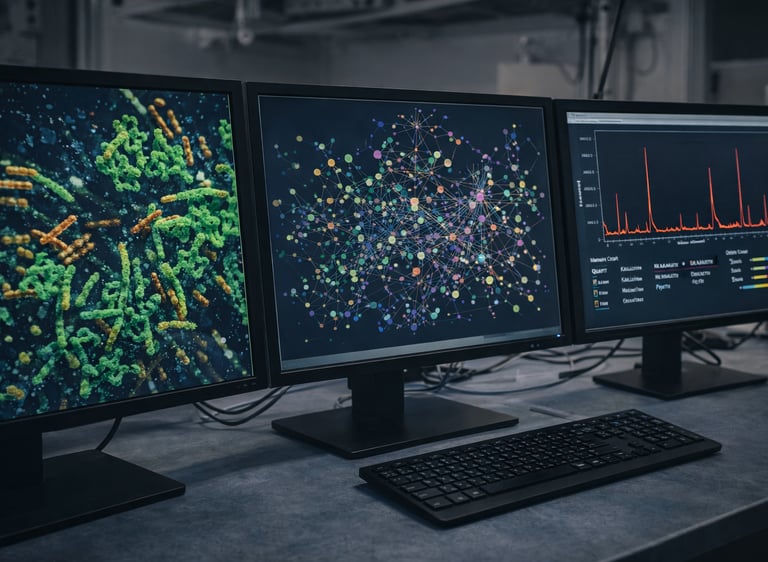
Geochemistry & Mineralogy
XRD, XRF, ICP-OES, and LECO analyses that define the chemical and mineral framework controlling biological systems.
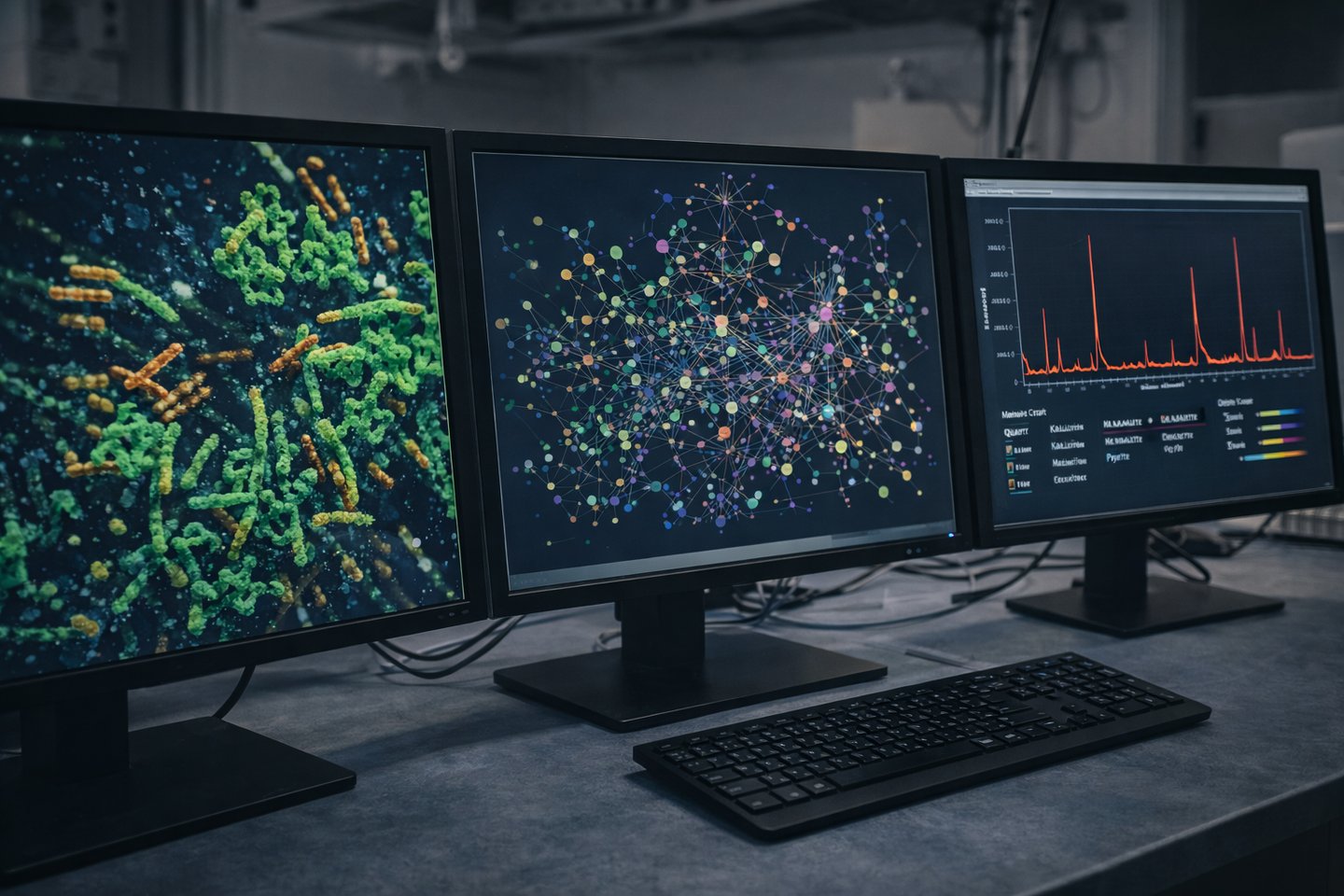
Integrated Systems Analyses
Integration of biological, chemical, environmental, and spatial data to understand how whole systems function.
Washburn CHAOS Lab
Science is metal. Science is feral. Science is CHAOS.
director@washburnchaoslab.com
#washburnchaoslab
© 2025. All rights reserved.
complex host-abiotic systems
@washburnchaoslab
Feral scientists exploring hostile systems, unstable environments, and the chemistry shaping what survives there.
#feralscience